News ·
Pennsylvania Bill Targets Covert Smart Glass Recording
A new legislative proposal in Pennsylvania mandates a visible recording light on all smart glasses and wearable devices. The bill aims to enhance public privacy by preventing covert audio and video capture.
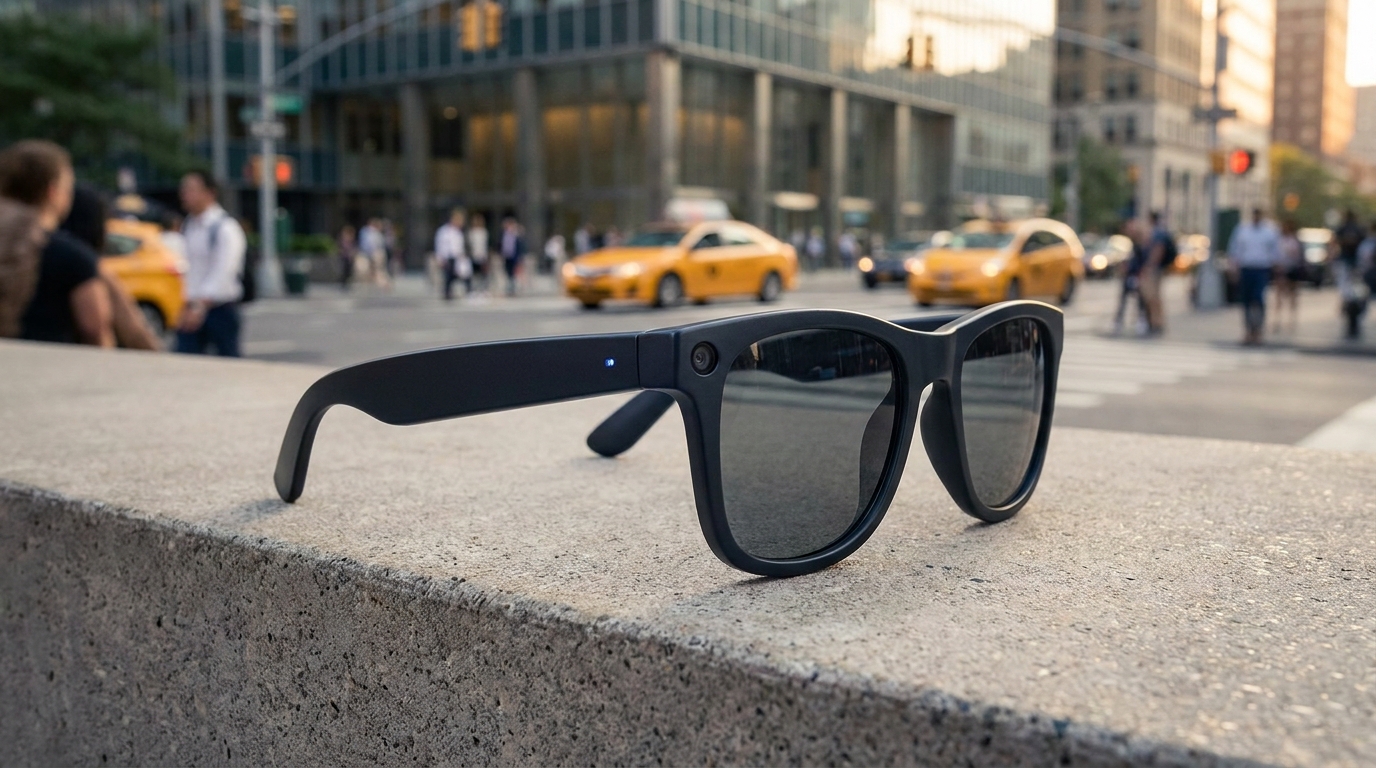
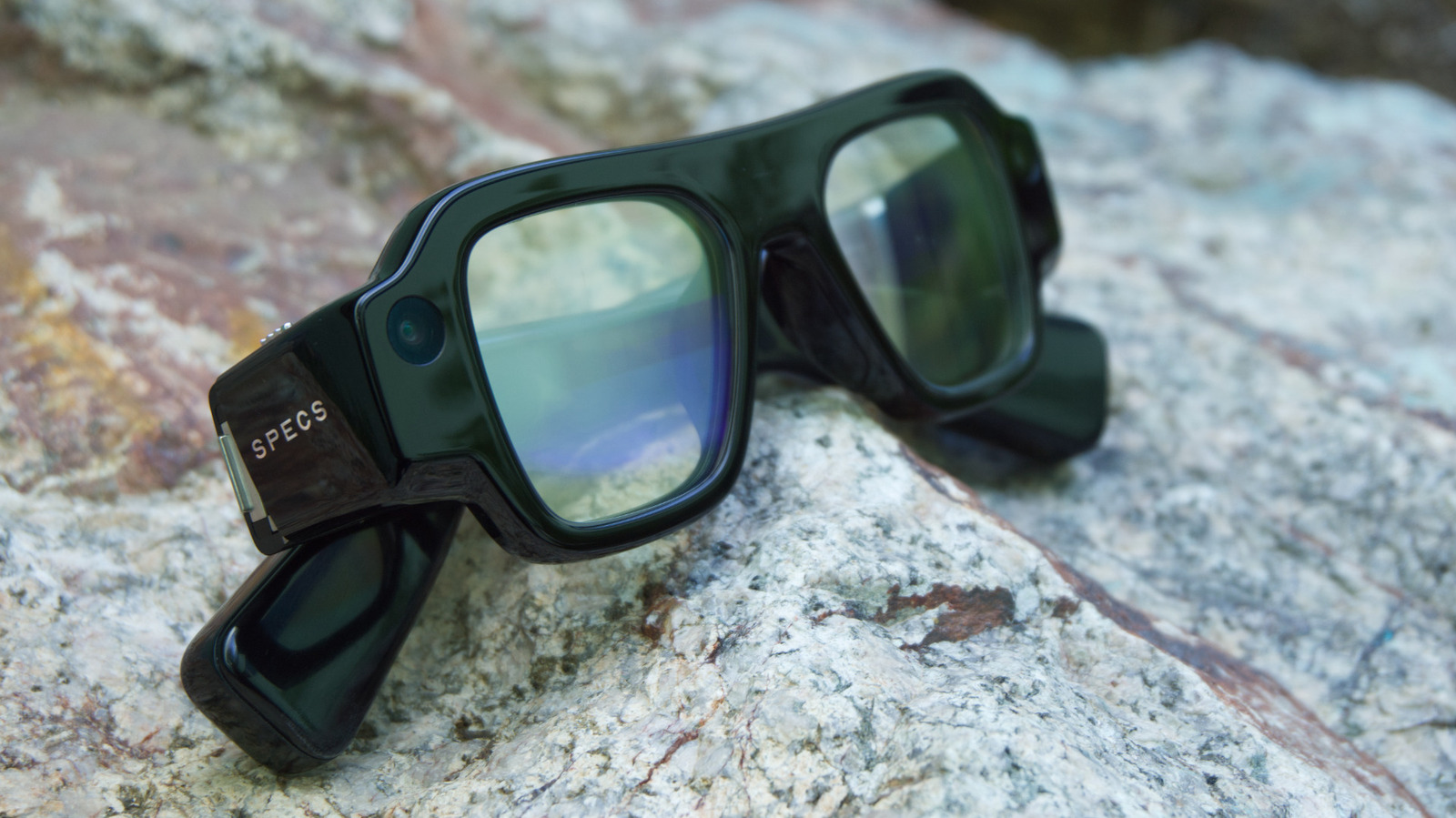
This week, Pennsylvania lawmakers introduced House Bill 2603, a significant piece of legislation targeting the use of smart glasses and other wearable recording devices. The bill proposes a mandatory visible indicator-light for all such devices when capturing audio or video within the state. According to www.yahoo.com, state Representative Joe Ciresi, who chairs the House Communications & Technology Committee, stated that the bill's primary goal is to safeguard public privacy as these discreet recording technologies become increasingly ubiquitous.
House Bill 2603 extends its requirements to any body-attached wearable capable of recording. Crucially, the legislation not only mandates the physical presence of a visual indicator, like a light, that activates during recording but also expressly forbids users from intentionally obscuring these indicators. This includes physical coverings or internal deactivation mechanisms.
Non-compliance carries significant repercussions. Manufacturers and retailers of devices that fail to meet these standards in Pennsylvania could face escalating civil penalties per unit. Retailers, specifically, would bear the responsibility of verifying device compliance and, alongside manufacturers, would be required to provide written information to every buyer detailing the law's stipulations.
The push for this legislation stems from growing concerns over the potential for devices like Ray-Ban Meta to facilitate secret recordings in both public and private settings. www.yahoo.com notes that some have even used smart glasses for extortion. Compounding the issue, the outlet reports on the emergence of "sneaky services" that modify smart glasses to disable their recording lights, effectively transforming them into clandestine cameras. This issue was specifically highlighted by Jon Martindale at PCMag, a sister publication to the source.
Our take: This proposed Pennsylvania bill represents a critical legislative response to evolving privacy challenges presented by smart glasses. While device manufacturers have made strides in implementing recording indicators, the aftermarket modification industry demonstrates the ongoing cat-and-mouse game between privacy protection and covert surveillance. Clear, unambiguous legislative mandates, coupled with robust enforcement, will be essential to foster public trust in smart eyewear technology. Without such measures, broader adoption could face significant hurdles due to privacy fears.
Interactive guide — prices, displays, cameras, battery.
Share this story