Manufacturer News · Meta
Meta Ray-Ban Glasses at Six Months: Developer Toolkit and New Features
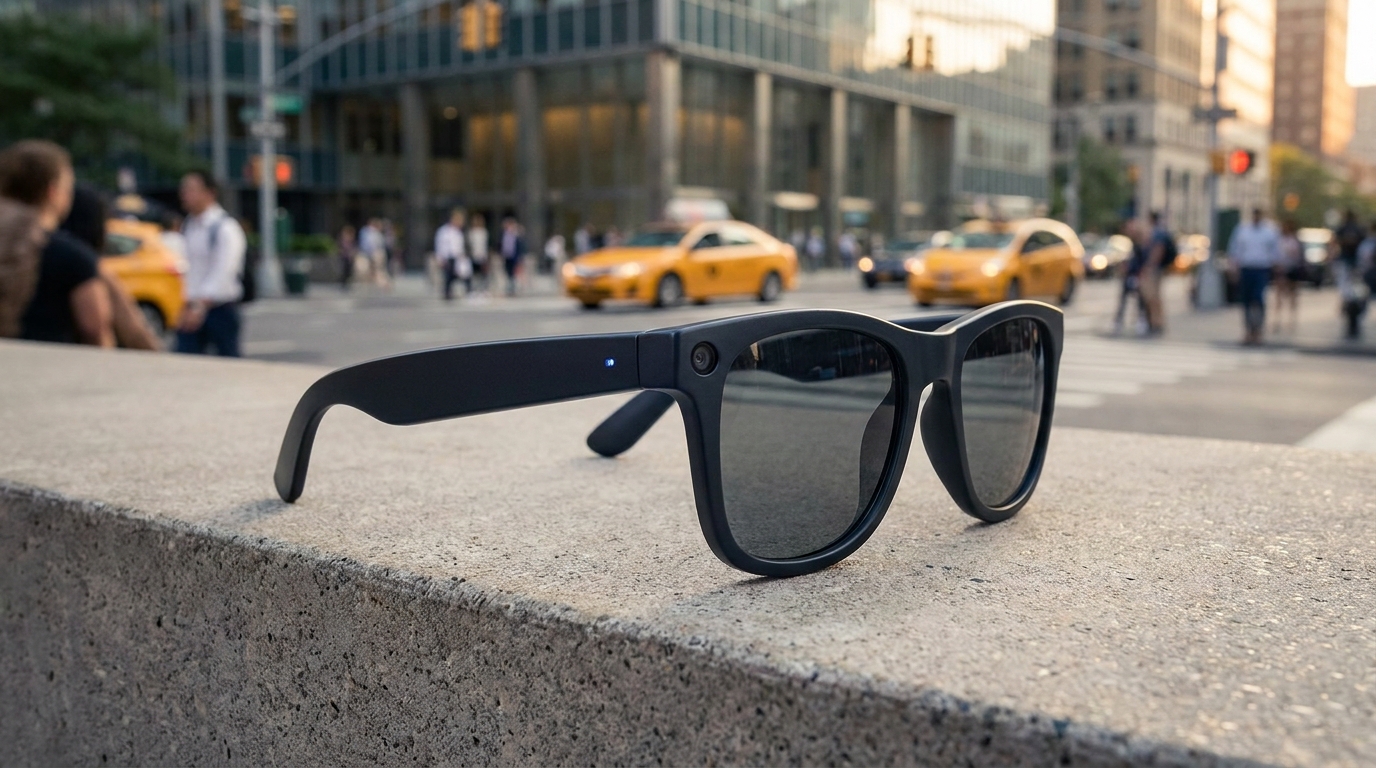
Six months post-launch, Meta has rolled out significant software enhancements for its Ray-Ban smart glasses. These include a new developer toolkit for custom apps, improved media integration, and AI-assisted creation.

Announced June 11, 2026, Meta's Ray-Ban smart glasses have received substantial software updates six months into their market run. A key focus has been platform openness, particularly with the Meta Wearables Device Access Toolkit. Geeky Gadgets reports that Cas and Chary XR highlight how this toolkit has facilitated the creation of custom applications, including AI-powered productivity tools and accessibility solutions.
The toolkit empowers developers to build tailored applications for various uses, from accessibility to gaming and real-time data delivery. Even non-coders can leverage AI-assisted tools for custom app creation, expanding the glasses' versatility. However, Geeky Gadgets points out that underlying hardware limitations and software immaturity still constrain the full potential of these innovations.
Several user-facing features have also been introduced. Handwriting recognition now allows direct messaging on the glasses, although this feature is currently limited to US English and specific applications, according to Geeky Gadgets. Navigation support has also broadened to include additional international cities, with a gradual and uneven rollout.
Media integration has seen improvements, now supporting platforms like Spotify, Audible, and Instagram Reels, enhancing content consumption. Other usability enhancements include home screen widgets, live captions, display recording, and adaptive display contrast. Despite these additions, Geeky Gadgets observes that some features still feel incomplete or underdeveloped.
Our take: The Meta Ray-Ban smart glasses clearly represent a platform in active evolution. While Meta consistently rolls out new functionalities and empowers its developer community, the current iteration remains best suited for early adopters and tech enthusiasts. Lingering issues such as short battery life, geo-locked features, iPhone notification restrictions, and display quality continue to hinder their broader appeal to a general consumer base. This ongoing journey from a niche gadget to a mainstream accessory underscores the developmental stage of the smart glasses market.
Interactive guide — prices, displays, cameras, battery.
Share this story