Manufacturer News · Meta
Meta Pulls Secret Face Recognition From Smart Glasses App
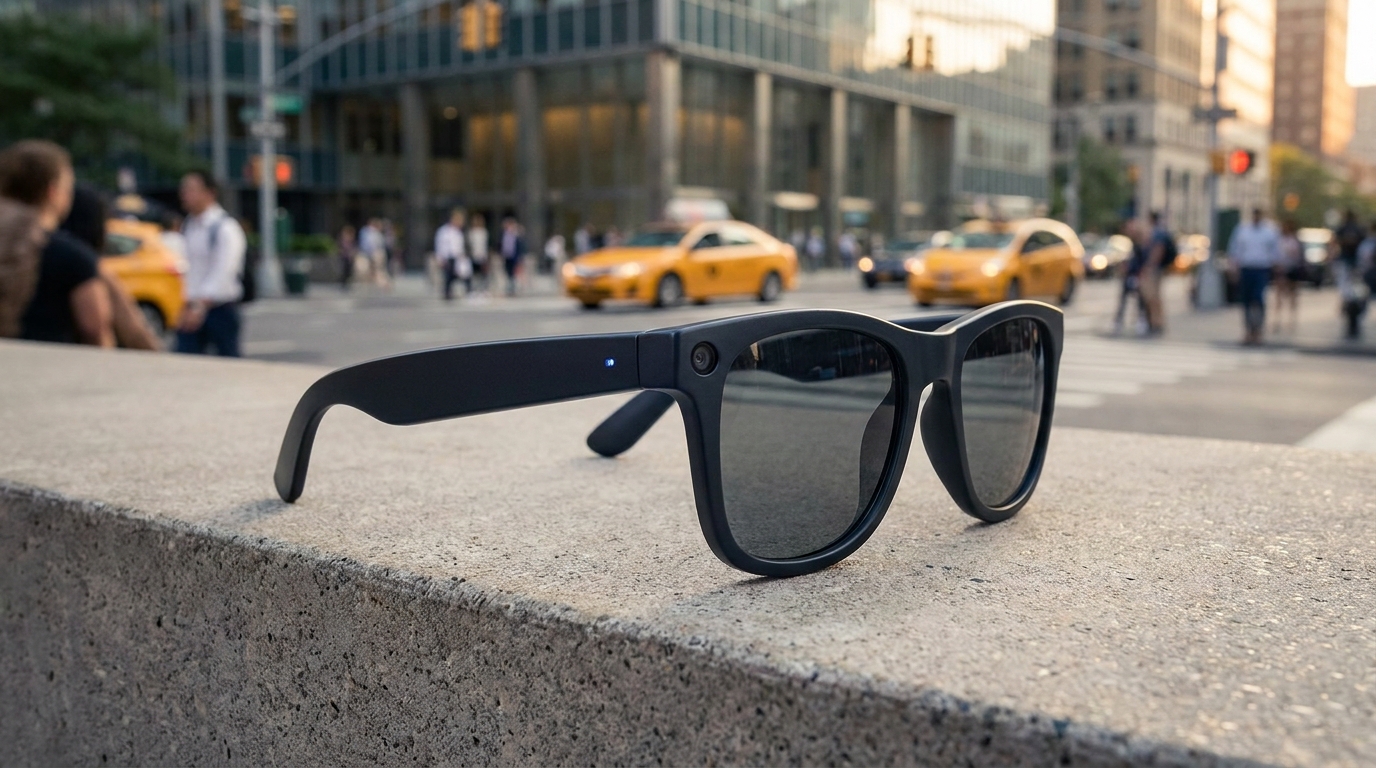
Meta quietly removed its unreleased NameTag facial recognition system from the Meta AI companion app for its smart glasses. This move followed a WIRED report exposing the code's presence, though Meta remains silent on its reasons.
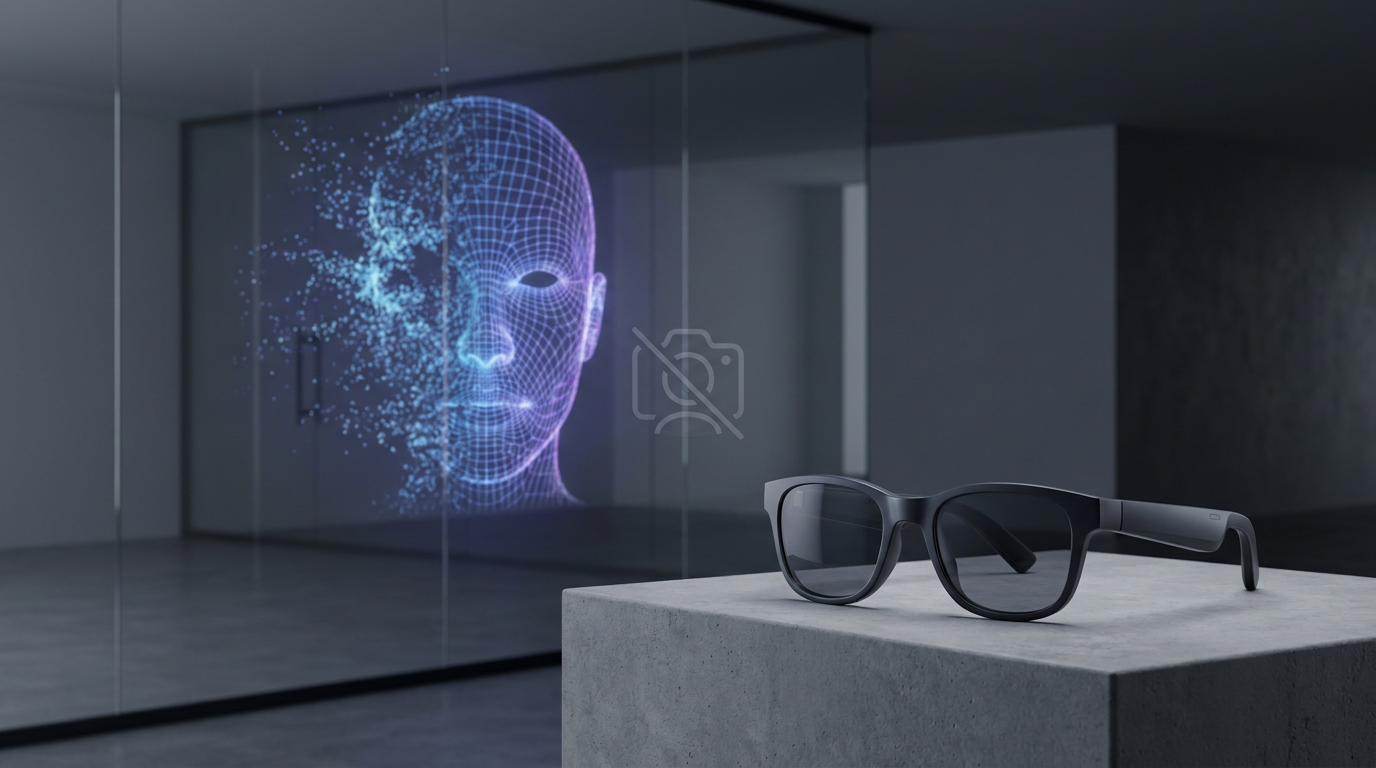
On June 8, 2026, Meta removed its unreleased NameTag facial recognition system from the Meta AI companion app for its smart glasses. This swift action followed a WIRED report that exposed the feature's quiet integration into an app downloaded by millions.
WIRED's investigation revealed that NameTag was designed to convert faces captured by the glasses into unique biometric signatures, or faceprints, comparing them against a device-stored database. Unrecognized faces were also reportedly cropped, indexed, and stored locally for future processing. The New York Times previously cited internal Meta documents in February, reporting on the company's development of face recognition for its smart glasses, with a potential launch this year.
Despite the embedded code, Meta's communications VP, Andy Stone, told WIRED that the feature was 'purely exploratory' and that 'no final decision' had been made. CTO Andrew Bosworth reportedly called WIRED's reporting 'incredibly misleading' and 'absolutely dishonest,' claiming 'the feature does not exist' after the initial report.
Prior to its exposé, WIRED posed ten specific questions to Meta regarding NameTag's database creation, data retention policies, and whether it would ever send user data to Meta's servers. Meta did not respond to these inquiries, nor did it address concerns from privacy advocates about potential misuse by stalkers, or plans for user opt-in/opt-out, as WIRED reported.
Our take: Meta's decision to rapidly scrub the NameTag code, coupled with its evasive public statements, signals a deep-seated apprehension around consumer trust and regulatory scrutiny for face recognition. The company's apparent willingness to integrate such a sensitive feature covertly, then deny its significance, highlights a recurring tension between innovation and user privacy in the smart glasses sector. This incident underscores the critical need for transparency and clear ethical guidelines as spatial computing rapidly evolves.
Interactive guide — prices, displays, cameras, battery.
Share this story