News · Meta
Meta Opens Aria Gen 2 Applications, Pushes Research Forward
Meta's Project Aria is advancing its research platform with the rollout of Aria Gen 2 research glasses. Researchers can now apply to access the upgraded hardware, alongside new datasets and self-supervised learning initiatives.
Meta has announced the opening of applications for Project Aria Gen 2 research glasses, with a broad rollout to qualified applicants anticipated in Q2 2026. This development marks a significant step in the company's efforts to foster academic exploration in areas critical to the future of augmented reality and AI.
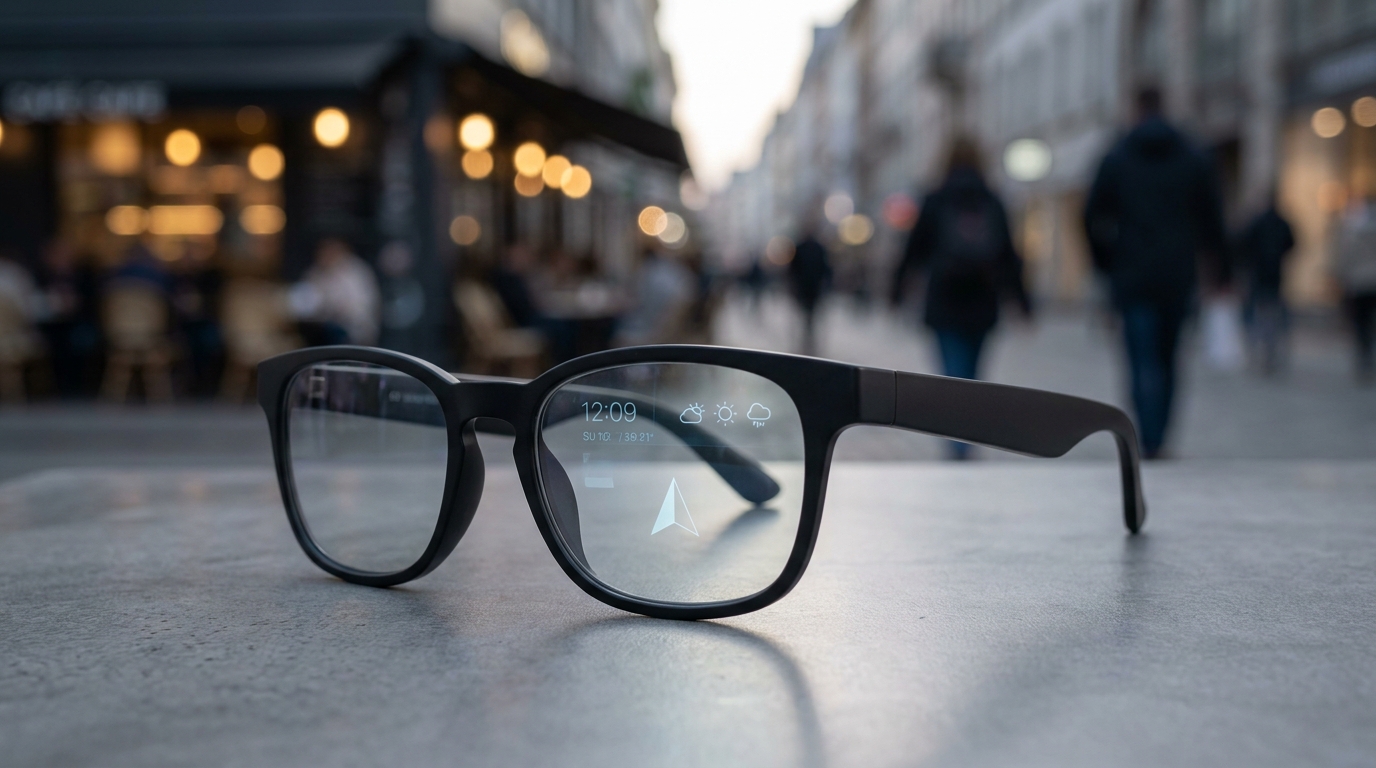
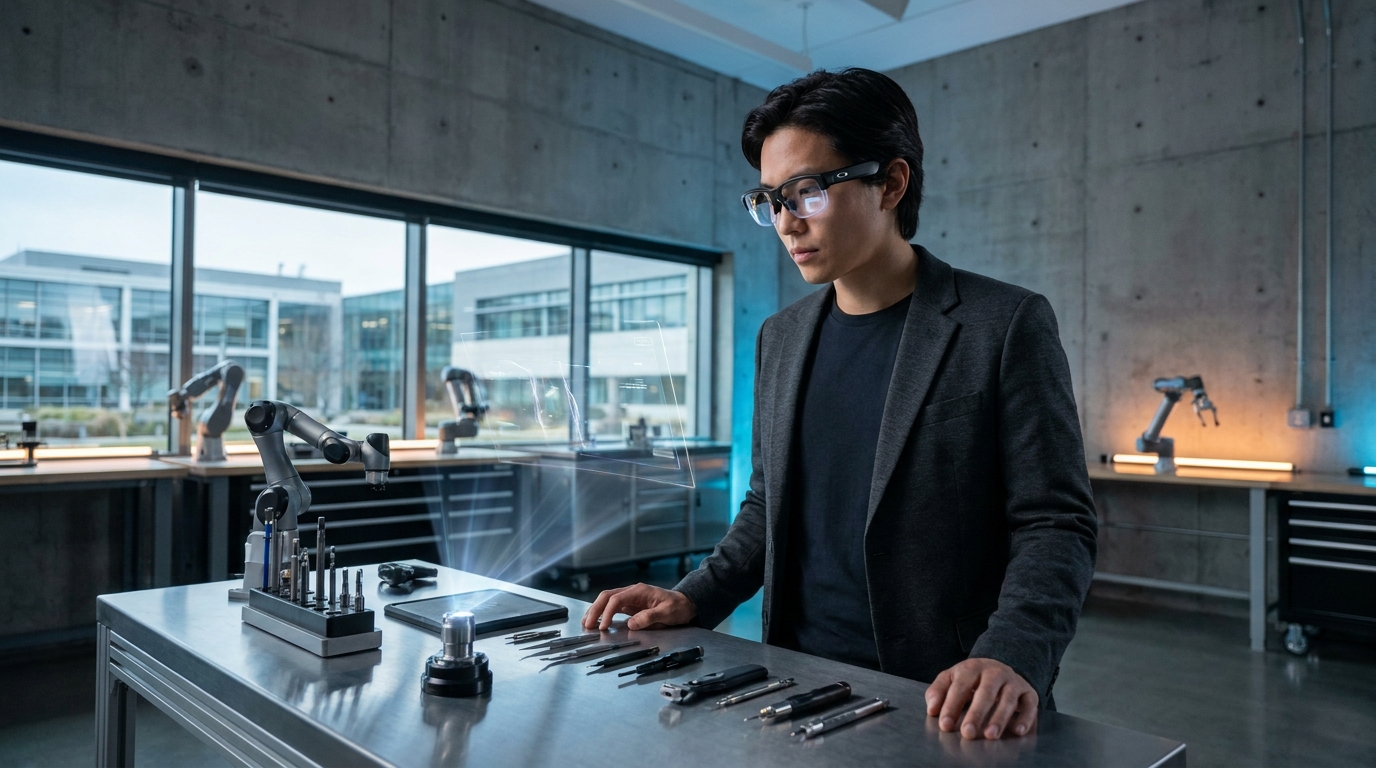
Project Aria Research reports that the latest iteration of their research glasses, Aria Gen 2, 'unlocks new possibilities' for researchers. The outlet states that the Gen 2 hardware features an 'in-depth overview of the form factor, audio capabilities, battery life, upgraded cameras and sensors, on-device compute, and more.' They emphasize that this new hardware is designed to further research in machine perception, contextual AI, and robotics.
The announcement from Project Aria Research also highlights several new datasets aimed at accelerating development. These include 'Sonata,' which focuses on advancing self-supervised learning for 3D point representations, and 'Reading Recognition in the Wild,' a dataset designed to help understand human behaviors during reading through egocentric sensor data. Additionally, the 'Nymeria' dataset is introduced, providing 'egocentric human motion in the wild at an unprecedented scale,' intended to improve human motion prediction for AR and VR devices.
Our take: The controlled distribution of advanced research hardware like Aria Gen 2, coupled with newly released datasets, underscores Meta's strategy to leverage external academic talent in building foundational technologies for future smart glasses. This approach could significantly accelerate breakthroughs in critical areas such as multimodal AI and contextual awareness, which are essential for truly intelligent wearables. The timeline for broad rollout, however, suggests a carefully managed, long-term research horizon rather than immediate consumer impact.
Interactive guide — prices, displays, cameras, battery.
Share this story