Analysis · Mentra
Mentra Bets the Future of Smart Glasses Is Open Source
While Meta and Apple build walled gardens, Mentra is wagering that an open hardware and software stack will let independent developers leapfrog the giants.
For most of the smart glasses era, two companies have dictated the playbook. Meta has shipped the only mainstream eyewear anyone actually wears in public, and Apple has set the template for what a premium spatial computer should feel like on your face. Both lock developers into closed SDKs, opaque review processes, and revenue cuts that founders quietly resent over coffee.
Mentra is the most credible attempt yet to flip that model on its head. The startup, born inside MIT and now operating out of San Francisco, sells a developer-friendly pair of smart glasses paired with an entirely open-source operating system called AugmentOS. The pitch is simple: own your hardware, ship your apps, keep your users.
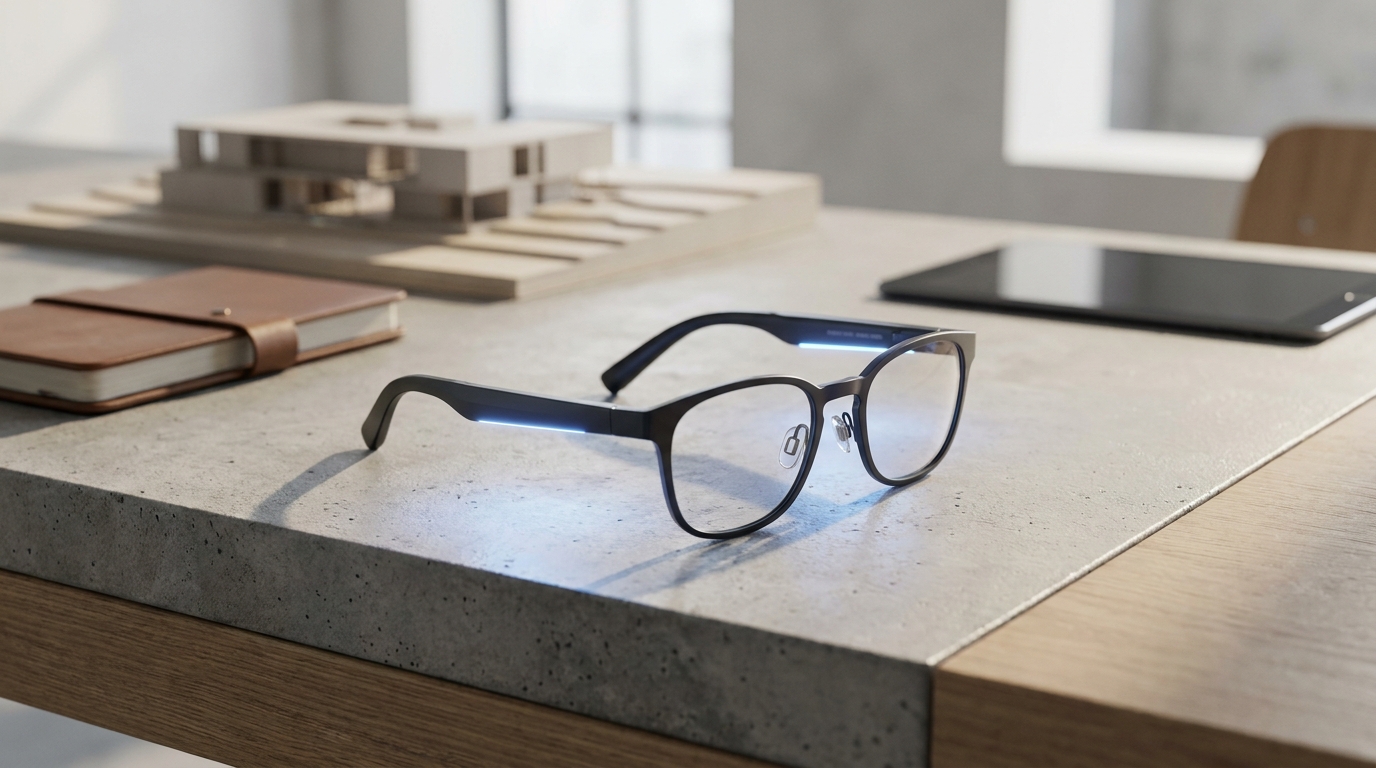
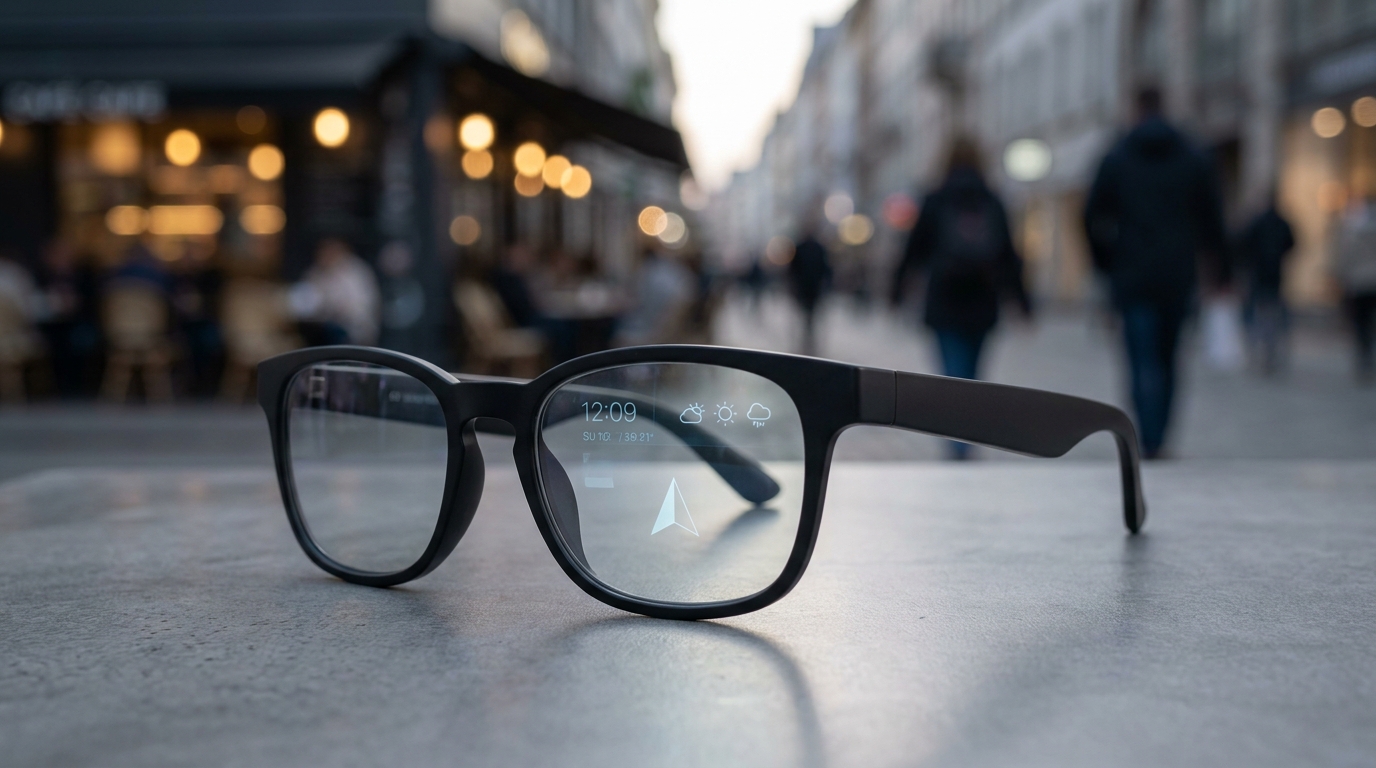
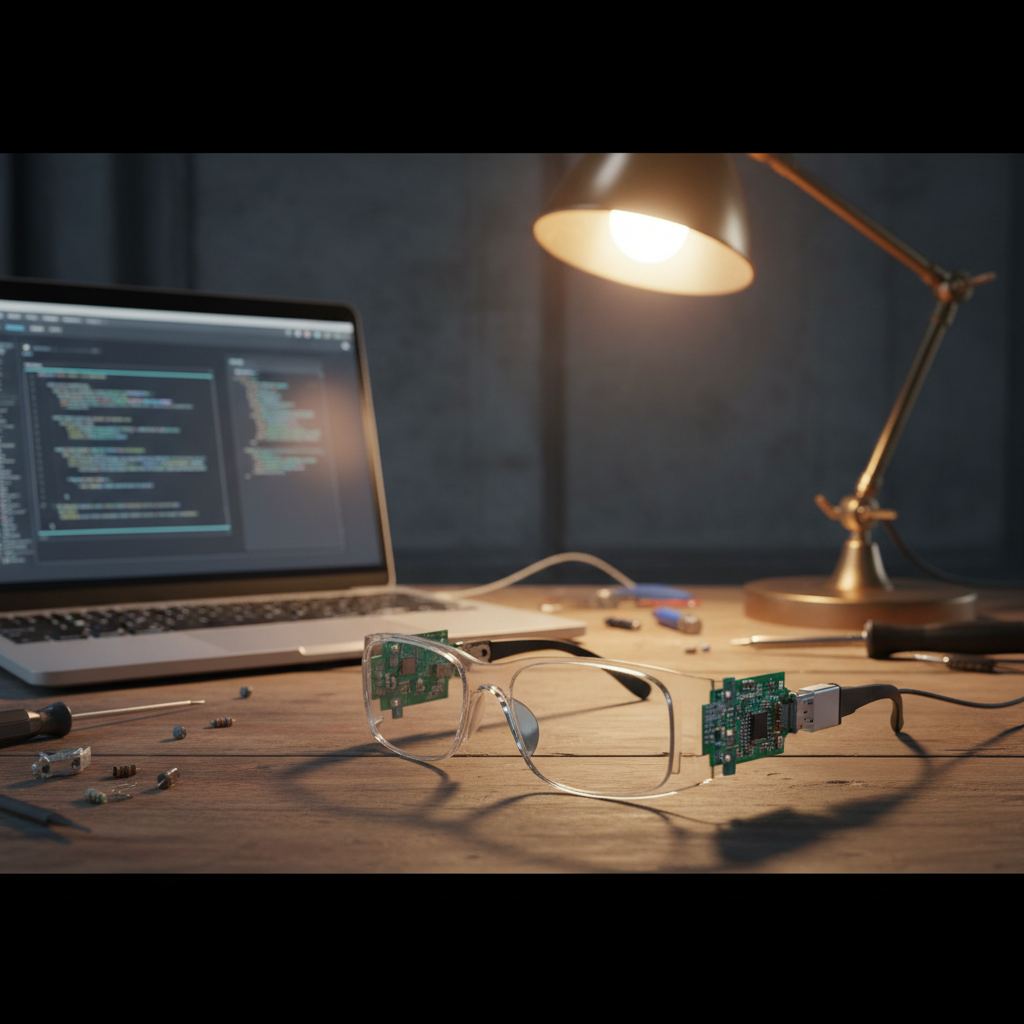
On paper the spec sheet is modest. Two waveguide displays, a single forward-facing camera, microphone array, and a battery good for roughly four hours of mixed use. What sets the device apart is what is missing - there is no app store gatekeeper, no telemetry pipeline you cannot inspect, and no mandatory cloud account. Developers flash firmware the same way they flash a Raspberry Pi.
AugmentOS is where the bet really gets interesting. The runtime exposes camera frames, IMU data, and audio streams to any TypeScript or Python app the wearer chooses to install. A nascent community has already shipped real-time translation overlays, a teleprompter for public speakers, and a discreet glucose-monitor companion app that pulls from a Dexcom feed.
The risks are real. Without a polished consumer storefront, Mentra is unlikely to ever land on the face of a casual buyer at Best Buy. Battery life and display brightness still trail Ray-Ban Meta by a wide margin. And open-source hardware has historically struggled to attract the design talent that makes glasses feel like jewellery rather than gadgetry.
Yet there is a quiet logic to the strategy. Every previous computing platform - PC, web, mobile - eventually fragmented into an open layer and a closed layer. If smart glasses follow the same arc, Mentra is positioning itself to own the layer that hobbyists, researchers, and enterprises will want to build on for the next decade. That is a market worth losing the consumer race for.
Interactive guide — prices, displays, cameras, battery.
Share this story