News · Magic Leap
Magic Leap 2 Specs Revealed: Transparent AR's New Champion?
Magic Leap quietly unveiled key specifications for its next-generation headset at Photonics West 2022. The revealed numbers indicate a substantial leap forward for transparent augmented reality.
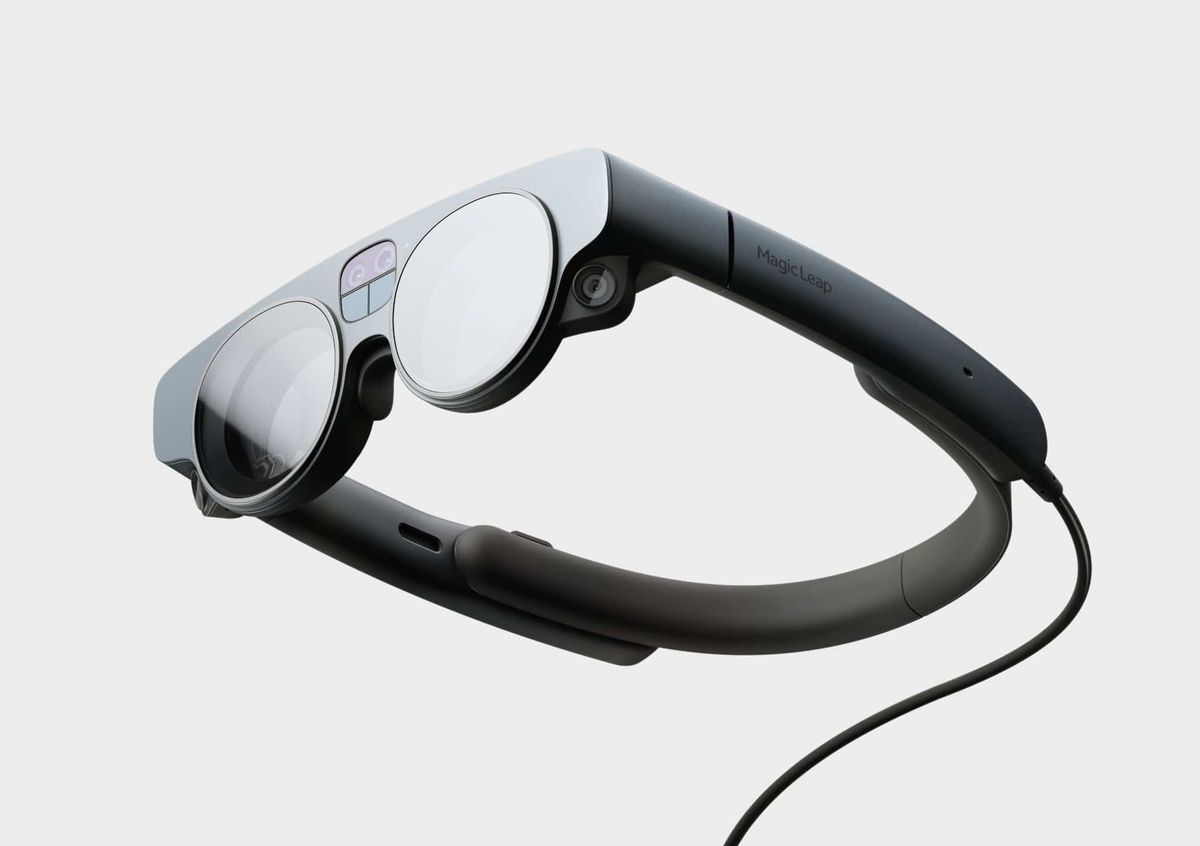
Magic Leap publicly released key specifications for its forthcoming Magic Leap 2 (ML2) headset this week, having done so during a presentation at SPIE Photonics West in late January 2022. These details confirm several hardware improvements for the enterprise-focused AR device.
UploadVR reports that Kevin Curtis, Magic Leap's VP of Optical Engineering, unveiled several critical data points during his presentation. The headset itself is stated to weigh 248 grams, marking a reduction from the Magic Leap 1's 316 grams. While the original Magic Leap One launched in 2018 with a consumer focus, the company pivoted to enterprise in 2019.
The outlet further notes that Magic Leap headsets utilize an external compute pack, rather than integrating the battery and processor directly into the head-mounted display. According to Curtis, the ML2's new compute box will be 'more than twice as powerful' as its predecessor's, incorporating increased memory and storage. UploadVR adds that while the ML1 featured an NVIDIA Tegra chip, Magic Leap announced a partnership with AMD in December.
UploadVR also highlights a significant improvement in user experience: the ML2's 'eyebox is twice as large' compared to the ML1. This enhancement means Magic Leap 2 will no longer require two distinct variants to accommodate varying interpupillary distances (IPDs), simplifying fit and comfort. The eyebox refers to the range of eye positions that can still achieve an acceptable view through the display.
Our take: The specification sheet for the Magic Leap 2 suggests a formidable contender in the enterprise AR space. The weight reduction, coupled with the substantially more powerful tethered compute unit, addresses core criticisms of previous untethered AR systems. Critically, the expanded eyebox is a major win for user inclusivity and ease of deployment in corporate environments, mitigating a common hurdle for adoption. We expect these improvements to solidify Magic Leap's position in transparent augmented reality, particularly against competitors like Microsoft's HoloLens line.
Interactive guide — prices, displays, cameras, battery.
Share this story