Manufacturer News · Innovega
Innovega Pivots to Assistive Smart Glasses for Low Vision
Innovega, previously focused on augmented reality contact lenses, has launched Gen One smart glasses. These devices are designed to enhance vision for nearly 300 million people globally suffering from visual impairments.

Innovega, a company long associated with augmented reality contact lens development, has announced a significant shift in focus. On June 5, 2026, the company introduced its Gen One smart glasses, specifically engineered to assist individuals with visual impairments. This pivot targets a substantial global market of nearly 300 million people who experience significant vision loss.
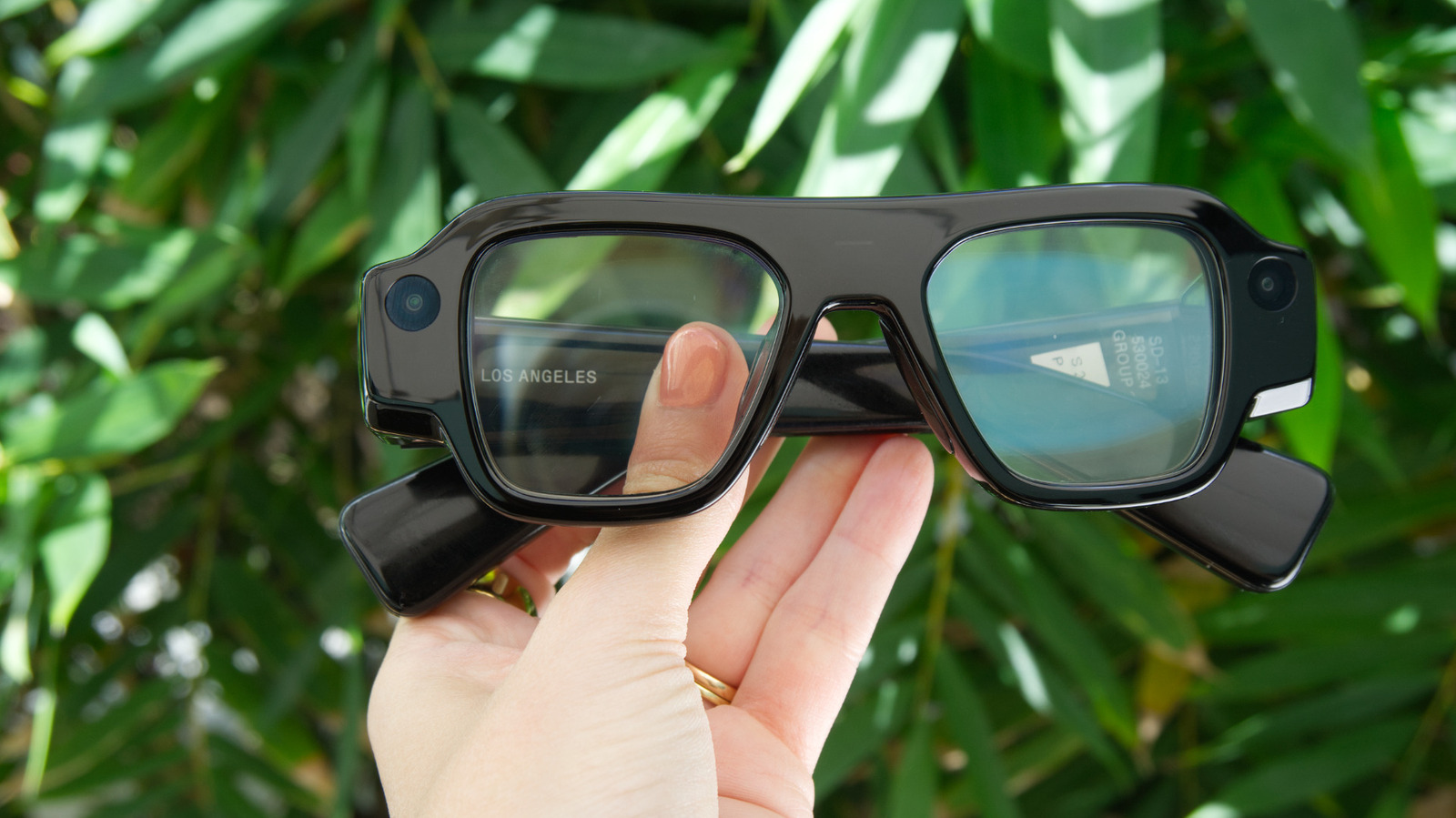
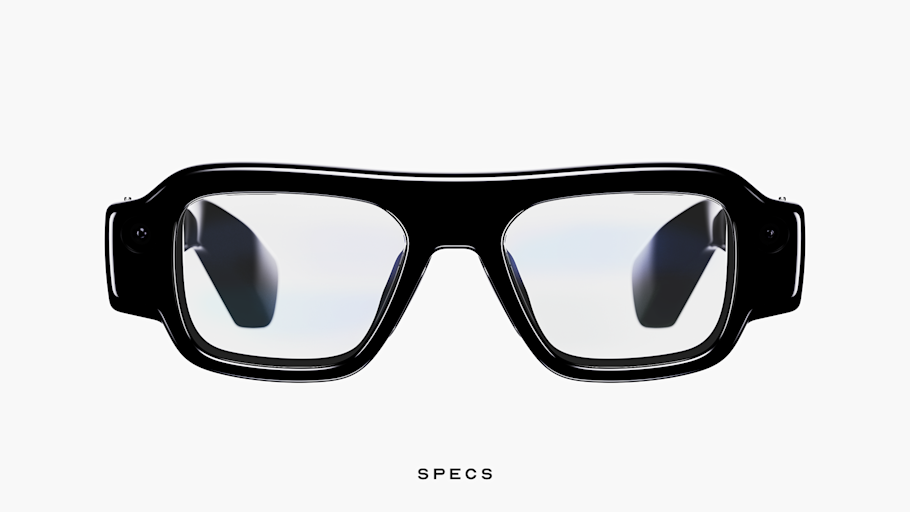
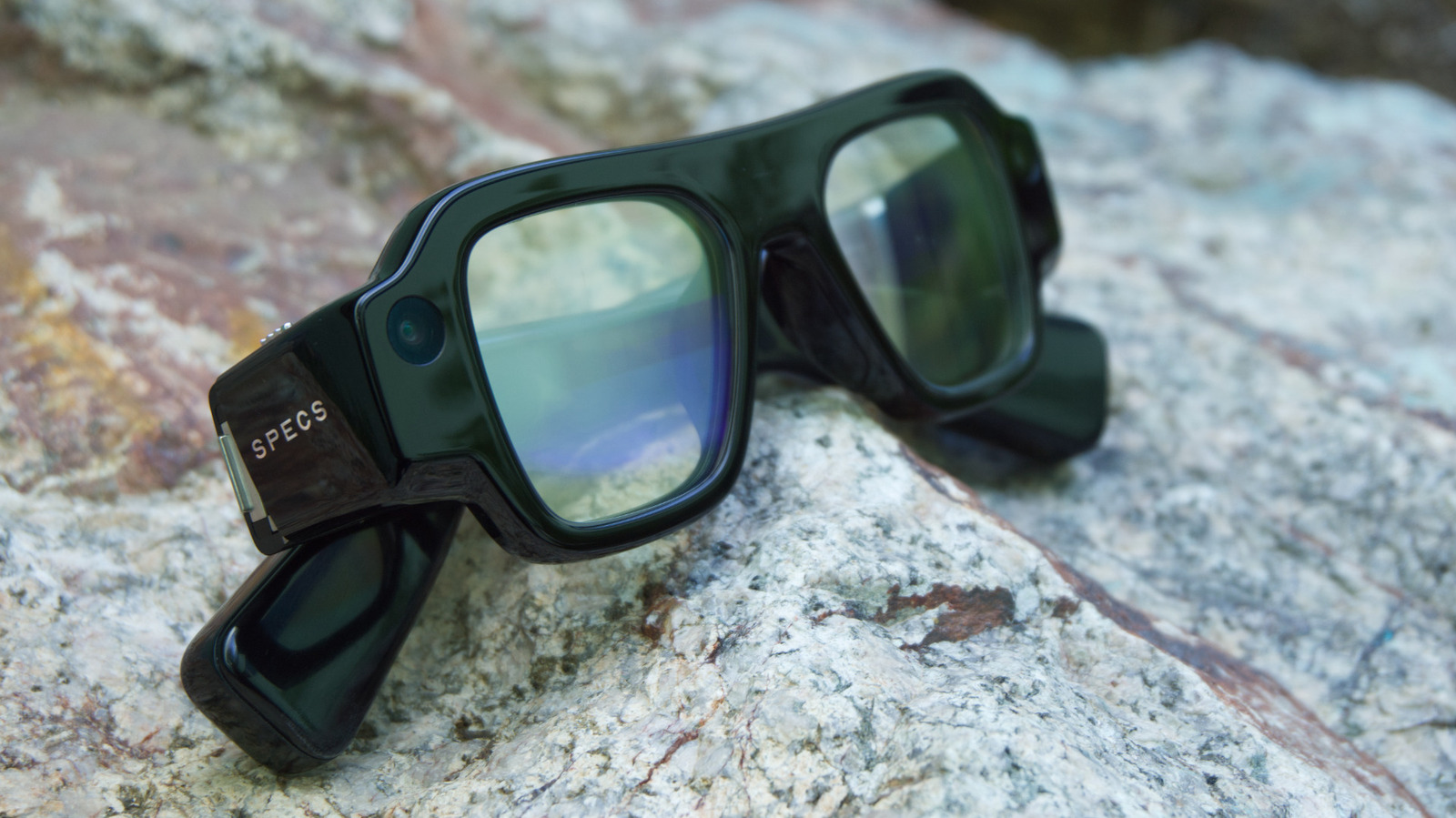
The Gen One glasses boast a discreet design, resembling conventional eyewear and weighing less than 70 grams. A front-facing camera captures the user's environment, while proprietary software processes the feed. This software dynamically adjusts magnification, brightness, contrast, and sharpness, tailored to the wearer's specific vision condition. The enhanced image is then projected onto transparent micro-OLED displays positioned over each eye. When inactive, the displays remain clear, allowing unobstructed natural vision. Activation occurs via a simple frame tap or voice command, with processing handled by a tethered smartphone.
Innovega's CEO and co-founder, Steve Willey, articulated the company's ambition for Gen One. As reported by GeekWire, Willey believes the product can "substantially change the quality of life and independence of tens of millions of people in the U.S. and hundreds of millions globally." This statement highlights the profound impact Innovega aims to have on daily challenges like reading a menu or recognizing faces from a distance.
The decision to reorient from advanced AR contact lenses came after years of development in that sector, including contracts with DARPA and the U.S. Army. According to GeekWire's reporting, Willey reassessed the market two years prior, noting the slow pace of consumer AR adoption, exemplified by Microsoft's HoloLens adjustments, the absence of consumer AR glasses from Snap and Google, and Meta's Ray-Ban lacking visual displays at the time. Willey explained this strategic shift to GeekWire, stating, "We said, why don’t we just pick the most simple application you could imagine? And it’s just a person who has poor vision, who wants to have good vision."
Our take: Innovega's strategic pivot demonstrates a pragmatic understanding of the current smart glasses landscape. While the promise of contact lens-based AR remains compelling, addressing immediate, profound human needs with existing display and processing technology offers a clear, impactful path to market. Focusing on assistive technology for low vision provides not only a valuable service but also a tangible application that can drive early adoption and prove the functional utility of wearable displays, even as the broader AR market continues its slow maturation.
Interactive guide — prices, displays, cameras, battery.
Share this story