Manufacturer News · Huawei
Huawei Enters AI Glasses Arena, Challenges Meta and Domestic Rivals
Huawei debuted its first AI glasses, intensifying competition in a rapidly expanding market. The move positions the company directly against Meta and key Chinese players like Alibaba and Rokid.

On April 20, 2026, Huawei officially launched its inaugural AI-powered smart glasses. This marks a significant re-entry for the Shenzhen-based tech giant into advanced smart eyewear, squaring off against established players such as Meta, and domestic competitors including Alibaba Group Holding and Rokid.
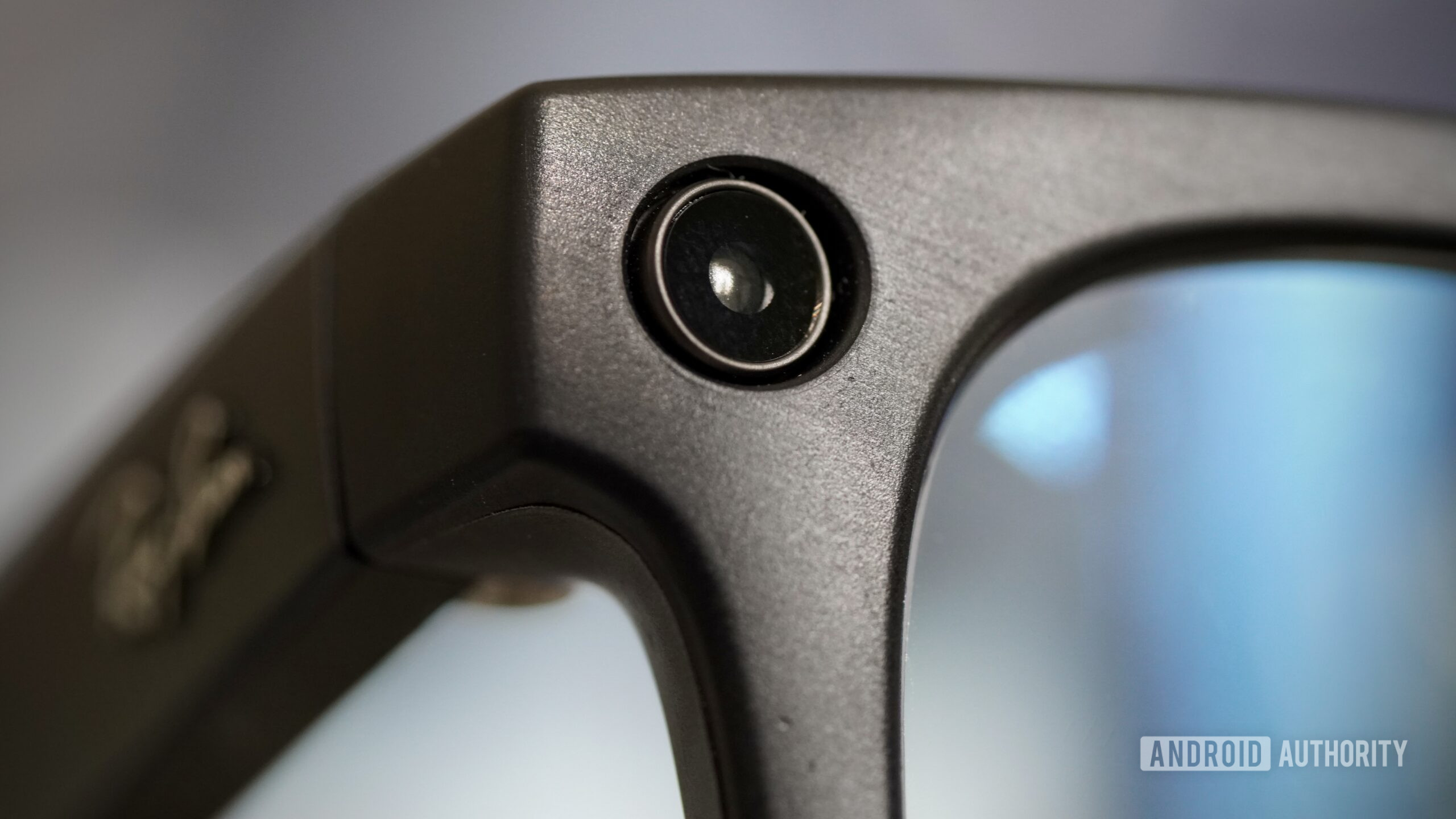
The new Huawei AI glasses retail from 2,499 yuan (US$367) and weigh a mere 35.5 grams. Key features include voice interaction and integrated payment capabilities. Powered by Huawei's proprietary eyewear-specific chip, the glasses offer first-person view live streaming and video calls. He Gang, CEO of Huawei's consumer business, highlights multimodal AI functions such as calorie estimation and QR code payments.
This release represents an aggressive pivot for Huawei's smart eyewear product line, which previously focused on more basic functionalities like translation. As South China Morning Post reports, Huawei joins a growing list of tech giants investing heavily in AI glasses, aiming to challenge Meta's successful Ray-Ban Meta and Oakley Meta lines, alongside offerings from other Chinese firms like Xiaomi.
Our take: Huawei's entry into the AI glasses space with a dedicated chipset and advanced multimodal AI suggests a serious long-term commitment. Their pricing strategy positions them competitively, and the inclusion of first-person live streaming and video calls directly targets content creators and social media early adopters. This is not just a refreshed product; it is a strategic move to capture market share in a segment poised for significant growth, particularly within China. The reported 35-fold surge in Chinese smart eyewear shipments in 2025 (according to South China Morning Post) underscores the immense potential Huawei is aiming to tap into.
## How it compares
To put Huawei's newest release in context, it helps to look at how the company's hardware portfolio has evolved over recent years. In September 2023, Huawei globally announced the Huawei Eyewear 2 in Barcelona, followed by its domestic China launch on September 25, 2023. Currently available on sale for $330, the Huawei Eyewear 2 represents an audio and AI smart glasses form factor weighing 36 grams. It features the Celia and HarmonyOS AI assistant, does not require a cable, and lacks on-device AI. Crucially, the Eyewear 2 carries no camera and no display, limiting its functionality strictly to audio, translation, and voice prompts. At 35.5 grams, the new April 2026 model comes in slightly lighter than the Eyewear 2 while adding a camera sensor, video calling, and live streaming.
Huawei also previously explored the entertainment display category with the Huawei Vision Glass. Unveiled in November 2022, the Vision Glass officially went on sale in China on December 26, 2022, and remains on sale for $380. That product is a very different device: weighing 112 grams, it is a tethered media-display unit that projects a 120-inch virtual screen via Micro-OLED panels. It offers a resolution of 1920x1080 per eye and a 30-degree field of view, but it includes no camera, has no on-device AI, and does not need a cable according to its benchmark specifications. Moving from a 112-gram display viewer and a 36-gram audio frame to a 35.5-gram camera-equipped AI device shows Huawei shifting its focus toward lightweight, daily-wear computer vision.
## What to watch next
This release sets up a direct confrontation against Meta and rising Chinese smart eyewear manufacturers. On April 21, 2026, we reported on Huawei debuting its AI glasses with a camera and integrated translation, noting that the lineup represents the company's first HarmonyOS-powered eyewear equipped with a built-in camera and real-time translation features.
Since this article was published, we reported on April 22, 2026, that Huawei's new smart glasses edge out Ray-Ban Meta in battery life. While the overall feature set closely mirrors the Ray-Ban Meta AI Glasses, Huawei boasts significant gains in continuous playback battery performance. Furthermore, as we reported on April 23, 2026, Huawei's entry into the AI glasses race with HarmonyOS-powered specs brings the company's first camera-equipped smart glasses directly into competition against Meta's market dominance, combining real-time translation with its proprietary AI chip.
Interactive guide: prices, displays, cameras, battery.
Share this story