Manufacturer News · Huawei
Huawei Debuts AI Glasses with Camera and Integrated Translation
Huawei officially launched its new AI Glasses on April 20, 2026, marking the company's first HarmonyOS-powered eyewear. The lineup features a built-in camera with AI enhancements and real-time translation capabilities.

On April 20, 2026, Huawei unveiled its latest AI Glasses, integrating a suite of advanced features into its first HarmonyOS eye wearable. The release highlights an AI-powered flash camera and significant improvements over prior models, including a robust translation function.
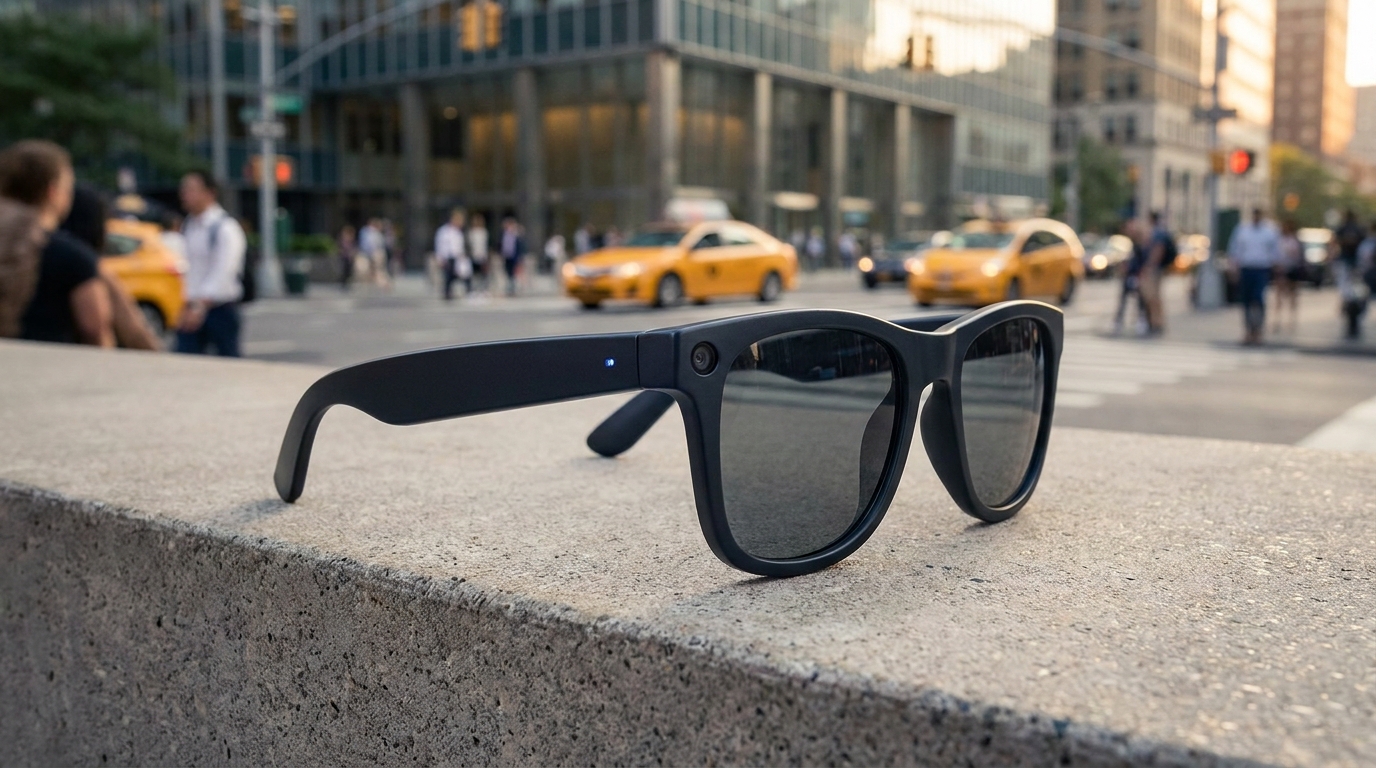
Huawei offers the AI Glasses in three distinct styles: a titanium wire semi-rim for optical use, and classic full-rim options for both sunglasses and optical lenses. The frames are designed for subtlety, available in Silver Gray, Shimmery Silver, and Modern Black, with both round and square frame choices. Huawei Consumer Business CEO He Gang appeared at the launch event wearing the new eyewear.
The design emphasizes lightweight construction, utilizing advanced materials and precision stacking to achieve 6.25mm thin temples and an overall frame weight of 35.5 grams. Huawei also incorporated a titanium alloy 'golden triangle hinge' for enhanced durability, claiming a 21% improvement in stability compared to other glasses, according to Android Authority.
Internally, the new AI Glasses run on a custom Huawei chip, which the company states improves processing time and instant response for AI features. Users can activate voice commands and access Celia and payment functions via a single-tap AI shortcut. The integrated camera features a 1/2.8-inch sensor with an AI-powered RAW domain multi-frame fusion algorithm, supporting smart composition, correction, and first-person perspective live streaming for both images and video.
Our take: Huawei's aggressive push into AI eyewear, particularly with integrated translation and advanced camera features, positions them as a significant player. The focus on lightweight design and custom silicon suggests a commitment to user experience and performance, critical factors for broader adoption in the smart glasses market.
Source: TechNode ↗
Interactive guide — prices, displays, cameras, battery.
Share this story