Manufacturer News · Google
Google's Visual AI Glasses: Prototype Shows Promise, Challenges Remain
At Google I/O on May 22, 2026, TechCrunch got an early look at Google's Android XR glasses, equipped with a visual display. This prototype hints at a future of Gemini-powered overlays, though the journey to a consumer-ready product is clearly ongoing.
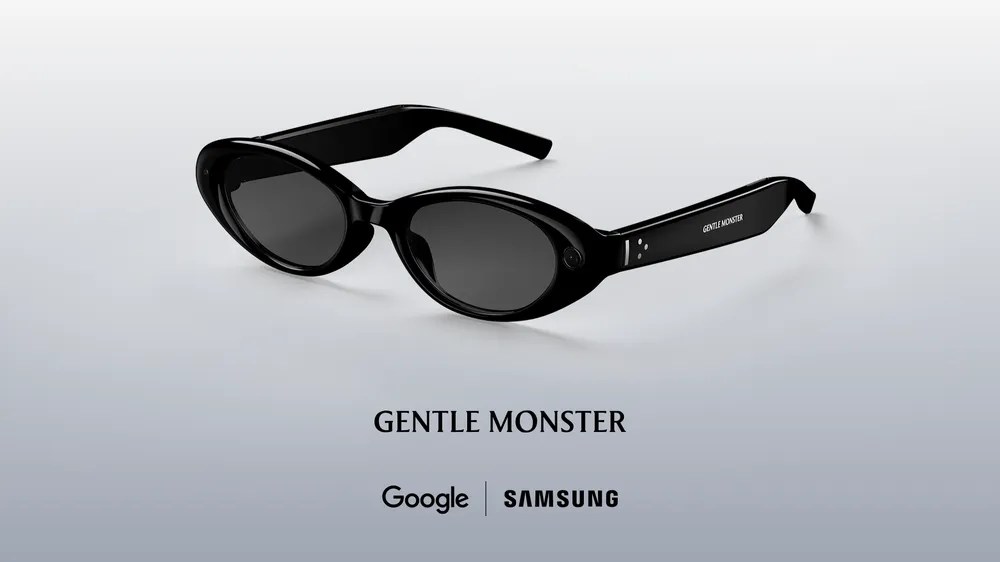
At Google I/O, held on May 22, 2026, Google offered select attendees a hands-on preview of its next-generation AI glasses. TechCrunch was among the outlets to experience these visual-display enabled prototypes, distinct from the audio-only smart glasses slated for a fall release.
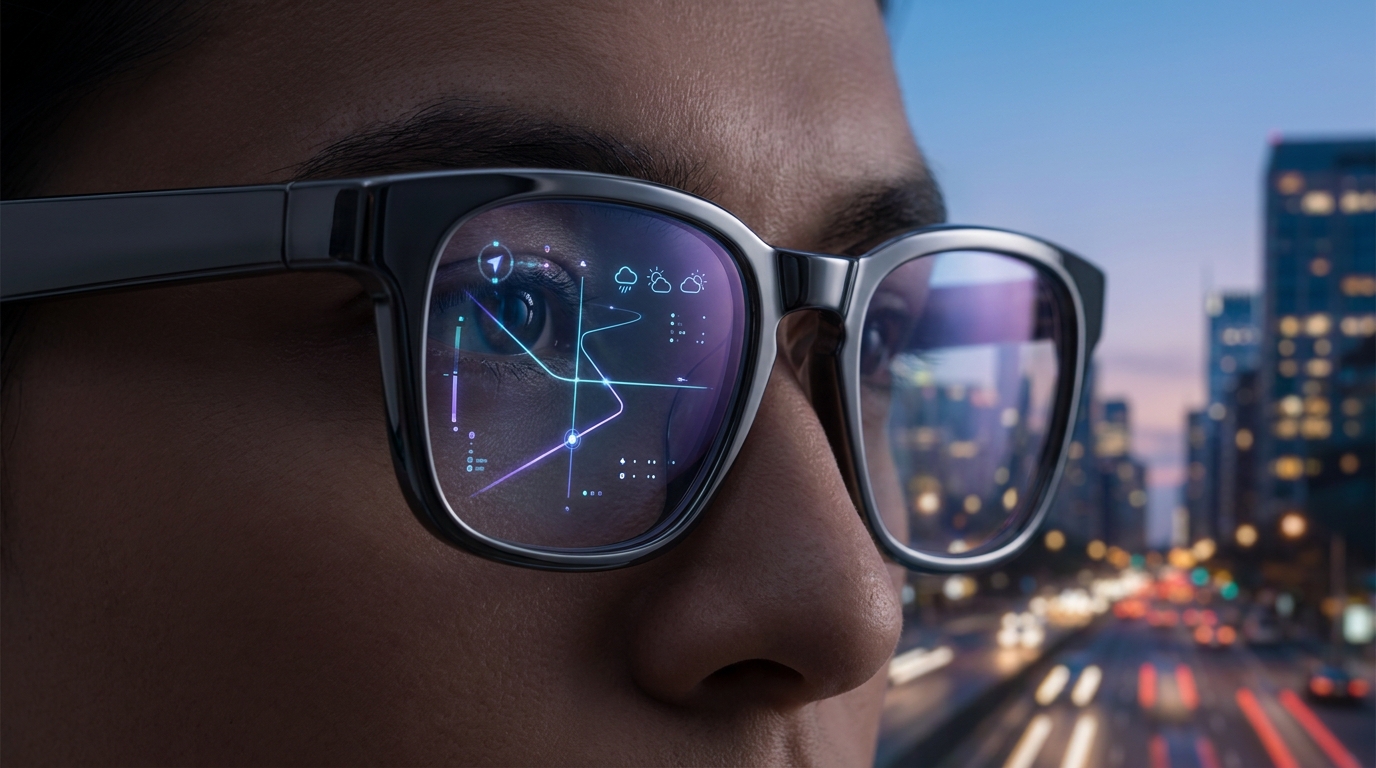
These Android XR glasses feature an in-lens display designed to superimpose helpful information onto the real world. According to TechCrunch's report, early demonstrations included widgets for weather, walking directions, ride-share details, and live translation, all powered by Gemini AI. Users could even reportedly design their own custom AI widgets.
Video: Google on YouTube
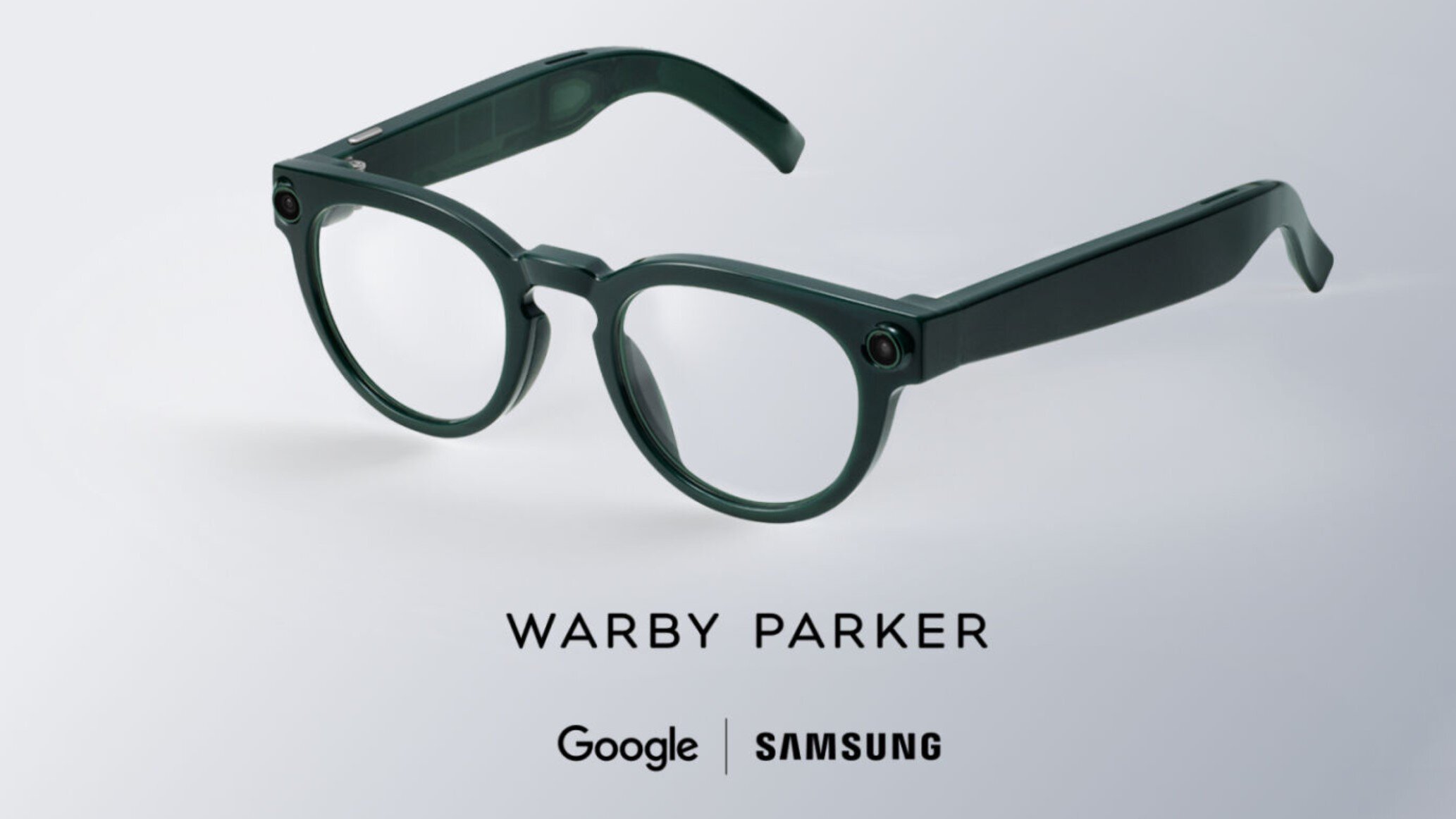
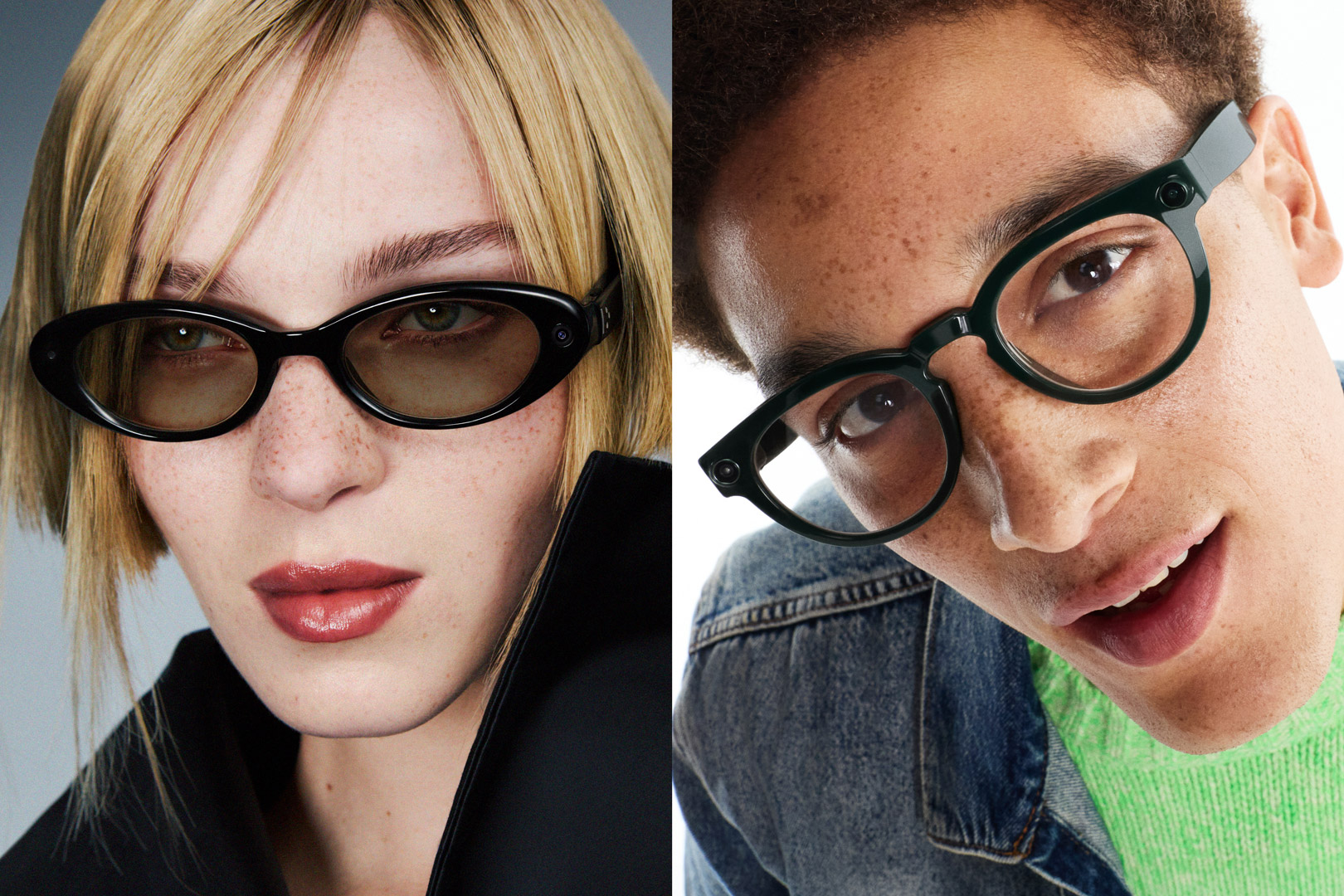
Developed in collaboration with design houses like Warby Parker and Gentle Monster, alongside Samsung, these glasses aim to merge Google's core technology with established eyewear aesthetics. However, the unit tested by TechCrunch was purely a prototype, described by Google representatives as a vehicle to experiment with display technology and battery life, rather than a reflection of future form factor or style.
Our take: Google's strategy clearly separates its audio-first smart glasses from these more ambitious visual XR prototypes. This staged rollout suggests a cautious approach, focusing on foundational utility before tackling the significant design and user experience challenges inherent in a full visual AR overlay. While the immediate impact is minimal, the commitment to Android XR and Gemini integration points to Google's long-term vision for spatial computing.
Interactive guide — prices, displays, cameras, battery.
Share this story