
News · Magic Leap
Former Magic Leap Engineers Launch 'Trace' No-Code AR Creation Platform
A new platform, Trace, aims to democratize spatial computing content creation for everyone from global brands to independent users. Founded by former Magic Leap engineers, Trace seeks to become the 'Canva of AR'.
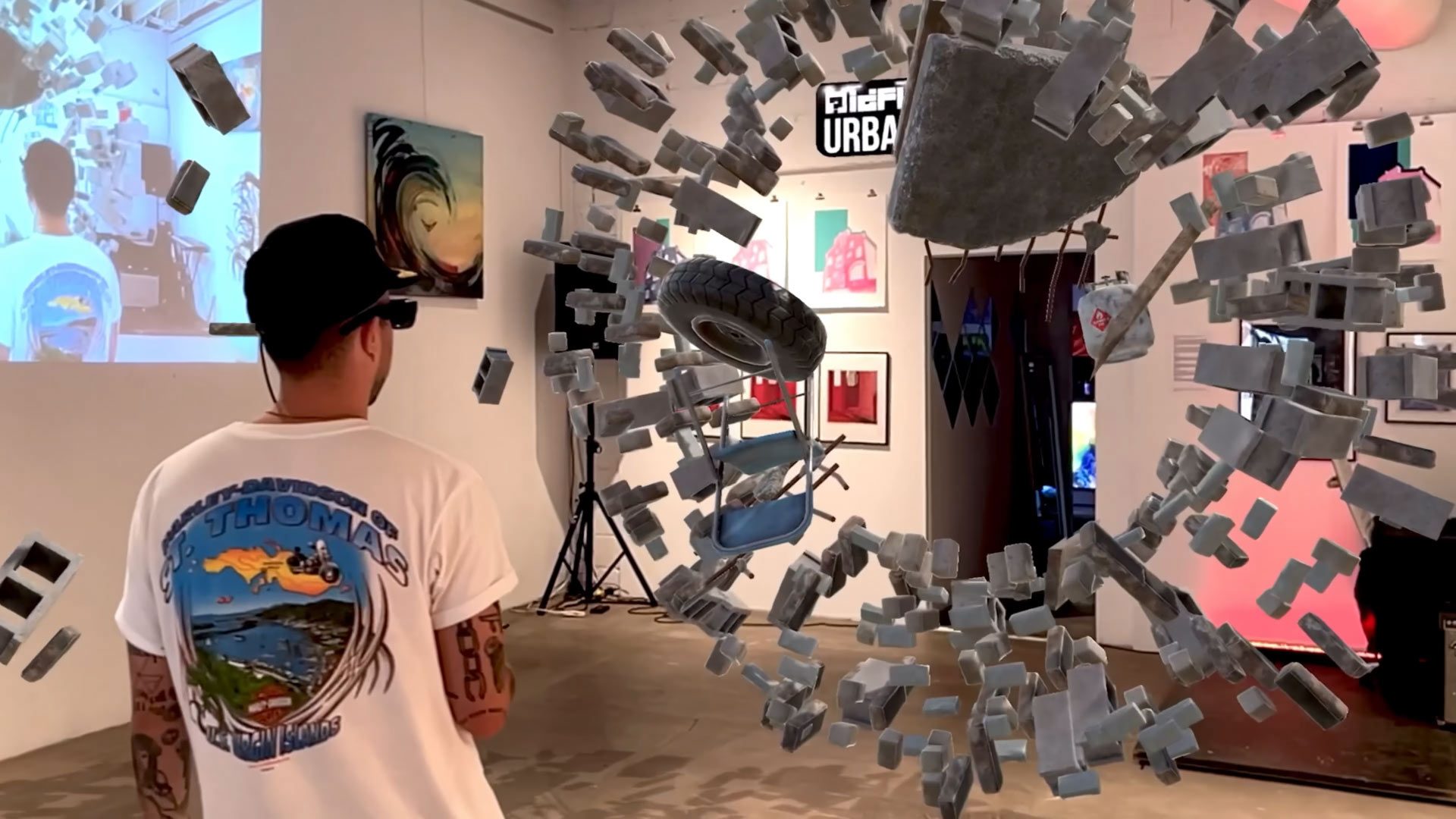
On November 7, 2025, Trace, a startup established by former Magic Leap engineers, officially launched its augmented reality creation platform. The company has publicly stated its ambition to make the platform the 'Canva of AR,' a move that could significantly broaden access to AR content development.
Scott Hayden of RoadToVR reports that Trace is targeting a wide spectrum of users, from large global brands to individual creators eager to build location-based immersive AR experiences. According to Hayden, the platform is designed to be accessible, notably not requiring coding skills or advanced design expertise. This approach allows users to 'design, drop, and share interactive AR experiences across mobile devices, headsets, and AR glasses,' Hayden writes, citing a company press statement.
The launch arrives at a propitious time, as noted by Scott Hayden of RoadToVR. Adobe's Aero AR platform has been discontinued, and Meta's Spark AR platform was retired in January 2025. Recognizing this market gap, Trace is offering a three-month free premium plan to Aero and Spark users who transition to their platform, seeking to capture creators displaced by these closures.
Martin Smith, Trace’s CTO and co-founder, is quoted by RoadToVR stating that 'Even as XR devices become more capable, the creator ecosystem is still really limited.' Smith emphasized the importance of 'Empowering creators to build and share their vision' whether they are 'an educator, an artist, or a Fortune 500 brand.' He also noted that Trace 'runs anywhere, scales instantly, and supports the fidelity AR deserves.'
Scott Hayden of RoadToVR details that Trace, founded in 2021, has already engaged with several enterprise clients. These include ESPN, T-Mobile, Qualcomm, Telefónica, Lenovo, and Deutsche Telekom. These early adopters have reportedly utilized Trace for diverse applications such as marketing, visualization, employee training, and major trade show installations, including events like Mobile World Congress and the Hip Hop 50 Summit.
The Trace creation platform is available for free download on iPhone and iPad via the App Store. Users can opt for an additional premium subscription, which costs $20 per month. Created experiences can be viewed through the complementary Trace Viewer app, accessible on both the App Store and Google Play. Furthermore, users can import existing 3D assets through the Web Studio, available at studio.trace3d.app.
Our take: The entry of Trace into the AR content creation space is a significant development, particularly given its no-code approach and the recent exits of major players like Adobe Aero and Meta Spark AR. This move aligns with a broader industry trend towards democratizing complex technologies. By lowering the barrier to entry, Trace could foster a new wave of innovation and adoption for smart glasses and other AR devices, potentially expanding the ecosystem beyond professional developers to a much wider audience of creatives and businesses. The enterprise partnerships they've already secured suggest a strong foundation and a clear understanding of immediate market needs.
Interactive guide — prices, displays, cameras, battery.
Share this story