Guides · EssilorLuxottica
EssilorLuxottica's Smart-Glasses Play, Explained: A Brand Guide
The world's eyewear titan, EssilorLuxottica, is stepping into the smart-glasses arena, not with a whimper but a significant alliance. This move signals a seismic shift in a burgeoning market, bringing optical expertise and global scale to the evolving landscape of AR and AI weara
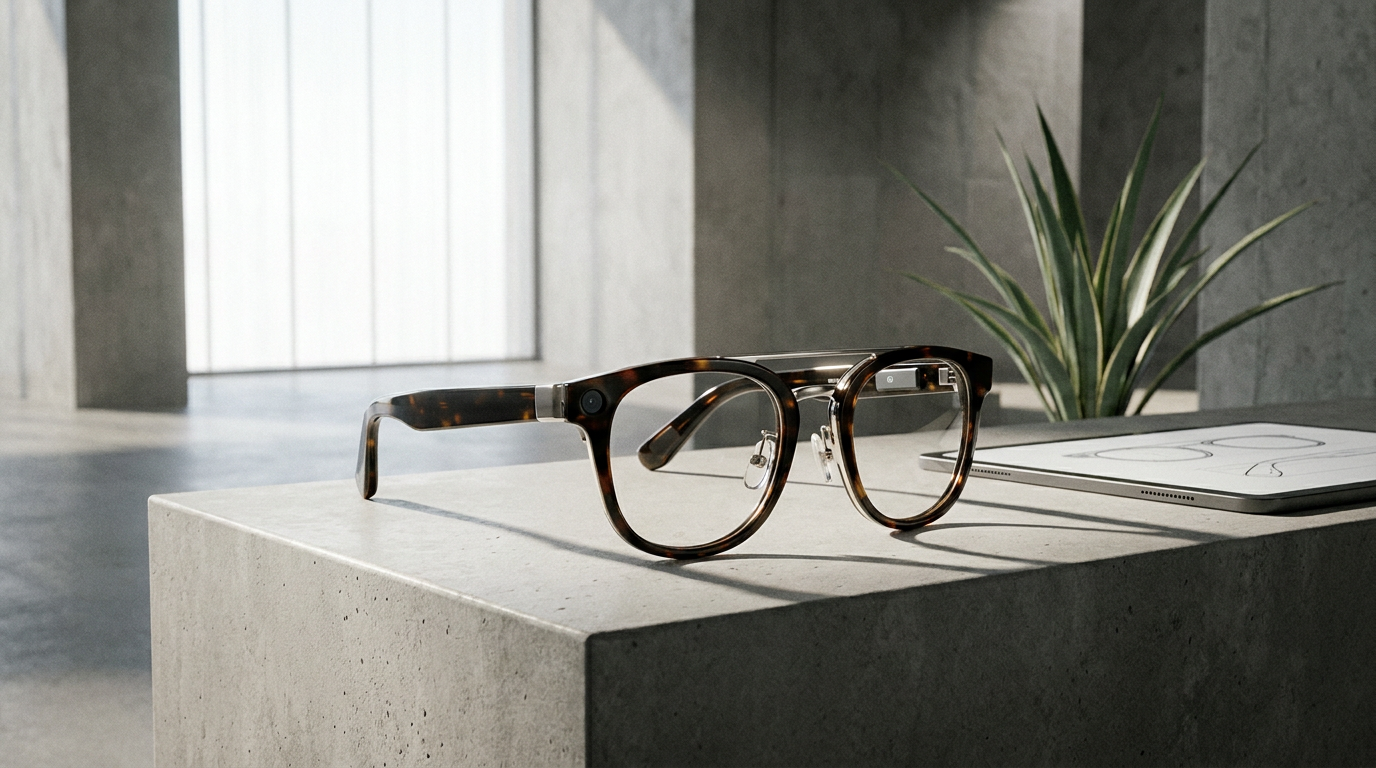
EssilorLuxottica. The name alone conjures images of sunglasses, designer frames, and optical lenses. They are, in no uncertain terms, the undisputed colossus of traditional eyewear. So, when this behemoth makes a definitive stride into smart glasses, the industry is compelled to sit up and take notice. This isn't just another tech company dipping its toes; this is a foundational player bringing a legacy of vision correction and fashion to a sector often criticized for its clunky aesthetics and unproven use cases.
Their entry presents a tantalizing prospect: the convergence of functional eyewear with cutting-edge digital augmentation. "Smart Glasses Daily" understands that the true potential of wearable tech lies not just in its computational power, but in its seamless integration into our daily lives and, critically, our faces. EssilorLuxottica's inherent understanding of form, fit, and corrective vision could very well be the missing link that propels smart glasses from niche gadgets to mainstream indispensables.
EssilorLuxottica is a Franco-Italian multinational corporation, formed in 2018 by the merger of French lens manufacturer Essilor and Italian eyewear giant Luxottica. Their portfolio spans everything from lens technologies (Varilux, Transitions) to iconic fashion brands (Ray-Ban, Oakley, Chanel, Prada, Versace, and many more, often under licensing agreements). In essence, if you wear glasses or sunglasses, there's a high probability EssilorLuxottica had a hand in making them, or they own the brand. Their segment target is, quite simply, global vision care and eyewear fashion, touching nearly every demographic.
Their venture into smart glasses is not entirely unprecedented, given their historical collaborations with companies like Google (for Glass Enterprise Edition 2) and Meta (for Ray-Ban Stories). However, the recent news of their long-term alliance with Applied Materials, announced via a Reuters report, marks a significant escalation. This isn't just about lending their brand or frames; it's about a deep technological partnership aimed at co-developing advanced AR displays and AI glasses. The 'why now' is clear: the underlying display and AI technologies have matured sufficiently, and the market is finally ready for more sophisticated, mainstream-appealing devices.
This strategic pivot leverages EssilorLuxottica's unparalleled global distribution network, manufacturing scale, and entrenched consumer trust in optical products. Unlike pure-play tech companies, they don't need to 'educate' customers on the necessity of eyewear. They merely need to convince them that their next pair of glasses should also be smart. This is a formidable advantage that redefines the playing field.
As of this writing, EssilorLuxottica does not have a dedicated 'smart glasses' product line under their direct brand that is distinct from their partnerships. What we know publically largely stems from their collaborations. The "Ray-Ban Stories," developed with Meta, are primarily camera-equipped audio glasses, offering hands-free photo and video capture, audio playback, and call functionality. These are fundamentally social sharing devices, not AR glasses.
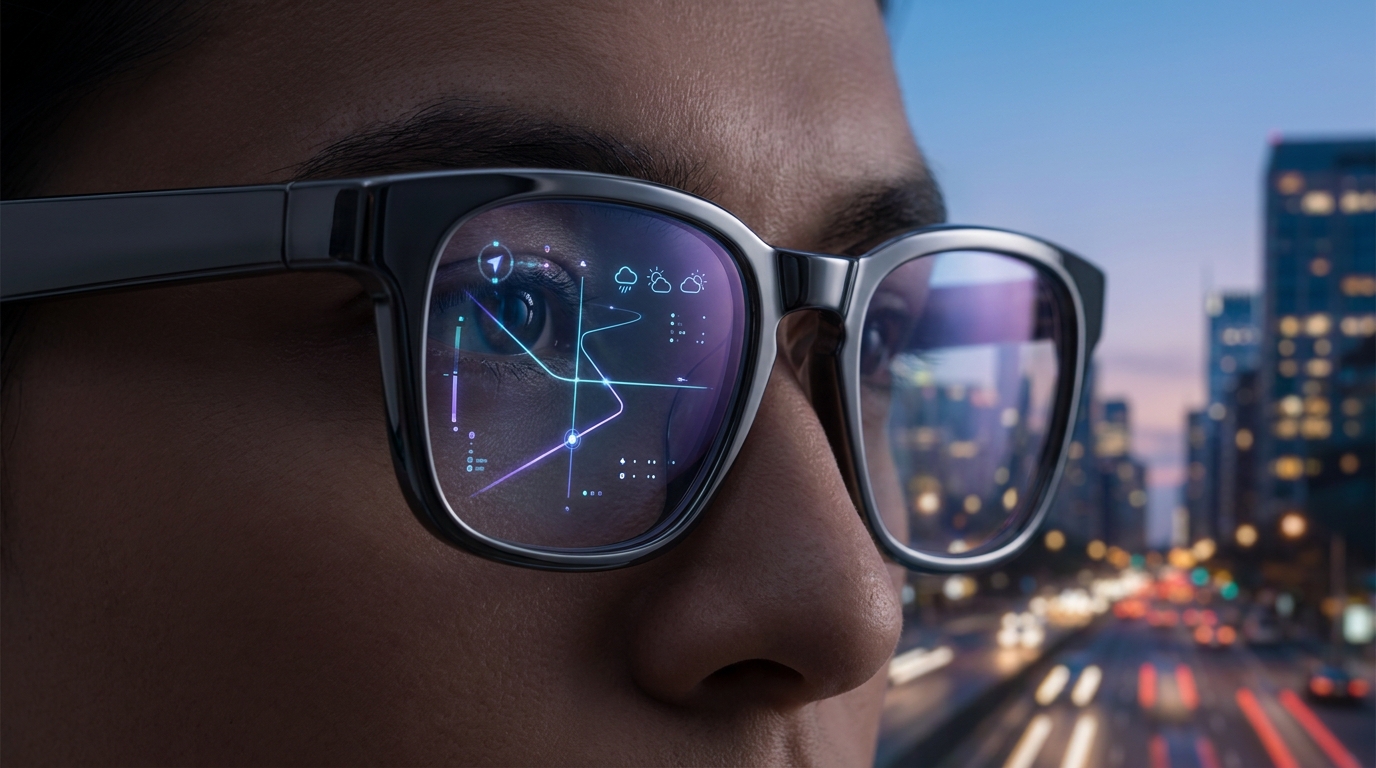
Their latest, more ambitious move with Applied Materials focuses on the development of 'advanced AR displays' and 'AI glasses.' This implies a future product that moves beyond mere camera and audio integration. While no specific product names or detailed specs have been disclosed, the emphasis on AR displays suggests a true heads-up display capability, potentially for navigation, information overlays, or contextual data. The 'AI glasses' moniker points towards sophisticated on-device processing for features like real-time translation, intelligent assistants, or nuanced environmental awareness, leveraging the AI capabilities for which Applied Materials is known.
Given EssilorLuxottica's core business, it's highly probable that any future smart glasses will feature prescription lens options and a strong emphasis on aesthetic design, drawing from their vast portfolio of beloved frame brands. The exact form factor, battery life, processing power, and display resolution remain speculative, but a commitment to wearability and the optical experience is a safe bet.
When comparing EssilorLuxottica's emerging play to existing competitors, the differentiators are stark. Mentra, with its open-source smart glasses platform and Mentra Live, occupies the experimental, developer-focused end of the spectrum. Their strength lies in versatility and community involvement, but they lack the polish, mass-market appeal, and fashion bona fides that EssilorLuxottica inherently possesses. The two are aiming at entirely different user bases.
Solos, with its AirGo Vision GPT-powered audio glasses, is a closer analogue in its focus on integrating AI into an audio eyewear form factor. However, Solos is a relatively niche player. EssilorLuxottica's potential entry would dwarf Solos in terms of brand recognition, retail footprint, and manufacturing scale. While Solos emphasizes AI personal assistants, EssilorLuxottica's 'AI glasses' could encompass a broader range of intelligent features alongside a premium fashion statement.
Lenovo presents a more direct (though different) competitor. Their Legion Glasses target gamers and media consumption with a focus on a portable, larger virtual screen experience. The ThinkReality A3, conversely, is a purpose-built enterprise AR headset, designed for industrial and professional applications. EssilorLuxottica, in contrast, appears poised to tackle the consumer lifestyle and potentially mainstream professional markets, prioritizing seamless integration and everyday wearability over specialized use-cases or overt 'tech gadget' aesthetics.
The SGD verdict: EssilorLuxottica isn't merely entering the smart-glasses market; they are poised to redefine it for the mainstream consumer. Their formidable strengths lie in optical expertise, global brand cachet, design leadership, and an unparalleled distribution network. This ensures that their forthcoming products will likely be well-engineered optically, fashion-forward, deeply integrated into existing eyewear trends, and widely accessible. This is a play for omnipresence.
However, weaknesses could stem from the inherent conservatism of their core business regarding rapid technological iteration. The tech world moves fast, and EssilorLuxottica's pace may be slower. Their success hinges on balancing consumer-acceptable aesthetics with genuine, compelling augmented experiences. What to watch in the next 12 months? The unveiling of their first jointly developed product with Applied Materials. Specifications, pricing, and, crucially, the actual 'magic' of the AR and AI functionalities will determine if the eyewear giant can truly become a smart-glasses titan. If anyone can make smart glasses look good and feel natural, it's them. The industry is holding its breath.
Interactive guide — prices, displays, cameras, battery.
Share this story