Analysis · Apple
Apple's Smart Glasses: A Glimpse into Four Potential Futures
New reports suggest Apple is meticulously developing multiple design prototypes for its anticipated smart glasses, signaling a strategic shift towards a more accessible, everyday wearable.
Apple is reportedly testing four distinct designs for its upcoming smart glasses, with an anticipated launch in 2027 and a possible unveiling as early as late 2026. This information stems from Bloomberg's Mark Gurman, with further details reported by Anthony Ha of techcrunch.com on April 12, 2026.
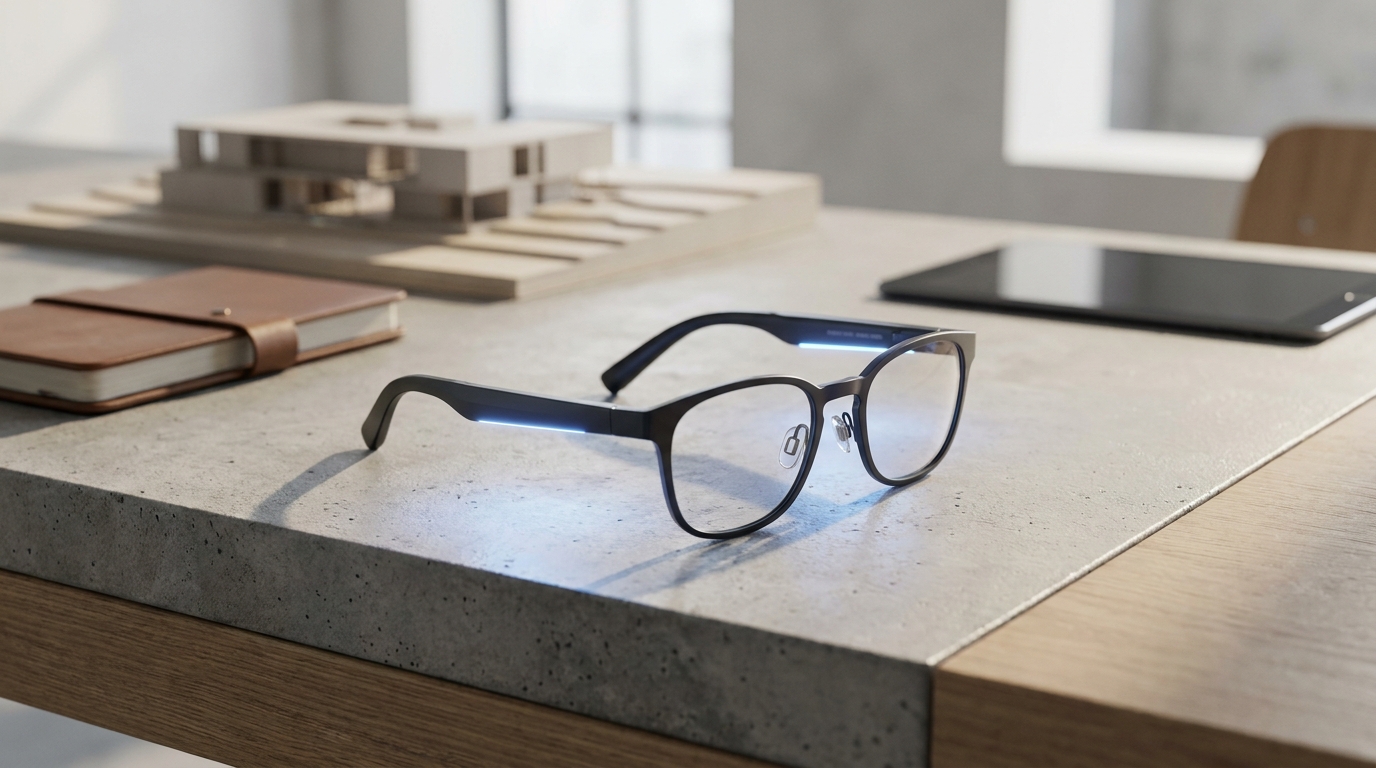
Anthony Ha of techcrunch.com reports that these projected designs include a large rectangular frame, a slimmer rectangular frame, a larger oval or circular frame, and a smaller oval or circular frame. They also note that Apple is considering various color options, such as black, ocean blue, and light brown.
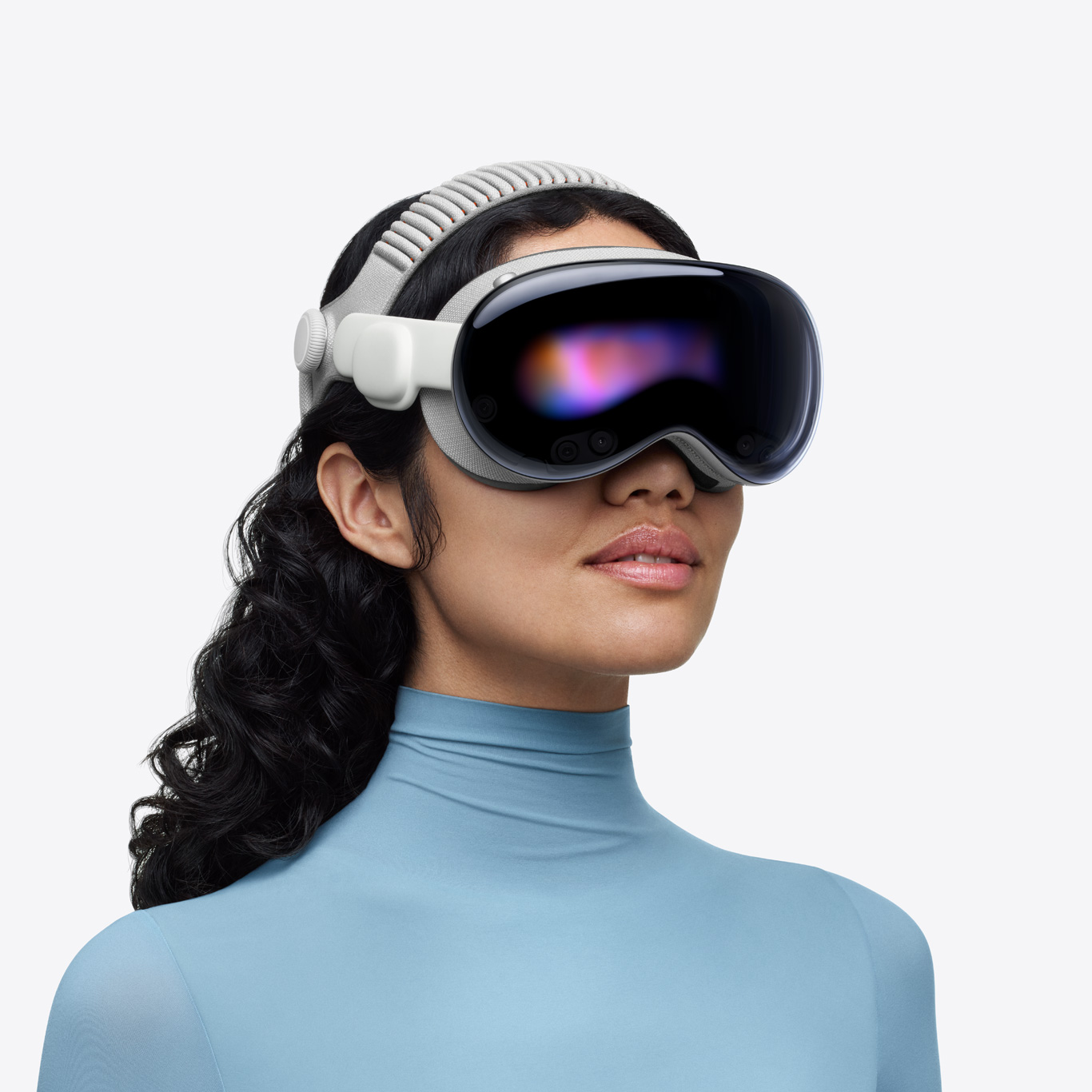
Ha further elaborates that these new smart glasses represent a 'step back' from Apple's previously ambitious plans for a broader range of mixed and augmented reality devices, a strategy that faced challenges, including product delays and a 'lackluster reception' for the Vision Pro. Instead, these glasses are described as being closer in concept to Meta's Ray-Ban glasses.
Video: Apple on YouTube
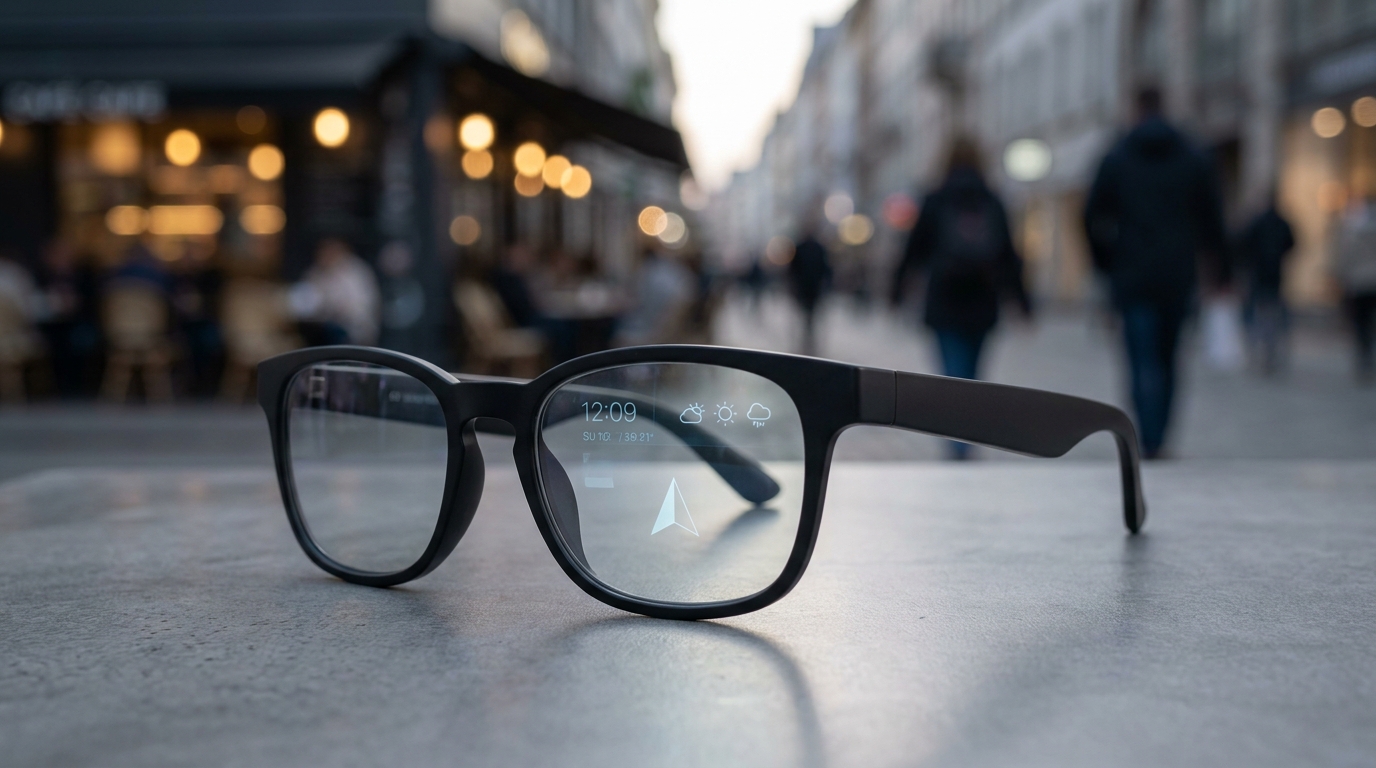
According to Ha, these smart glasses will not incorporate integrated displays. Their primary functionalities are expected to include photo and video capture, utilizing 'oval camera lenses,' as well as the ability to answer phone calls, play music, and interact with an upgraded version of Siri.
Our take: This strategic pivot towards a more lifestyle-oriented smart eyewear, sans integrated display, suggests Apple is prioritizing mass-market appeal and everyday utility over bleeding-edge AR immersion for its initial smart glasses offering. By sidestepping complex display technology, Apple could potentially bring a more affordable and aesthetically conventional product to market, directly competing with existing camera-equipped smart glasses. This could be a shrewd move to onboard a wider user base before introducing more advanced AR capabilities in future generations.
Source: techcrunch.com ↗
Interactive guide — prices, displays, cameras, battery.
Share this story