Manufacturer News · Apple
Apple Axes Vision Pro Successors, Prioritizes Smart Glasses Over High-End XR
Incoming Apple CEO John Ternus is reportedly consolidating the company's XR efforts, canceling future Vision Pro models to prioritize two distinct smart glasses projects. The shift signals a renewed focus on mass-market wearables.
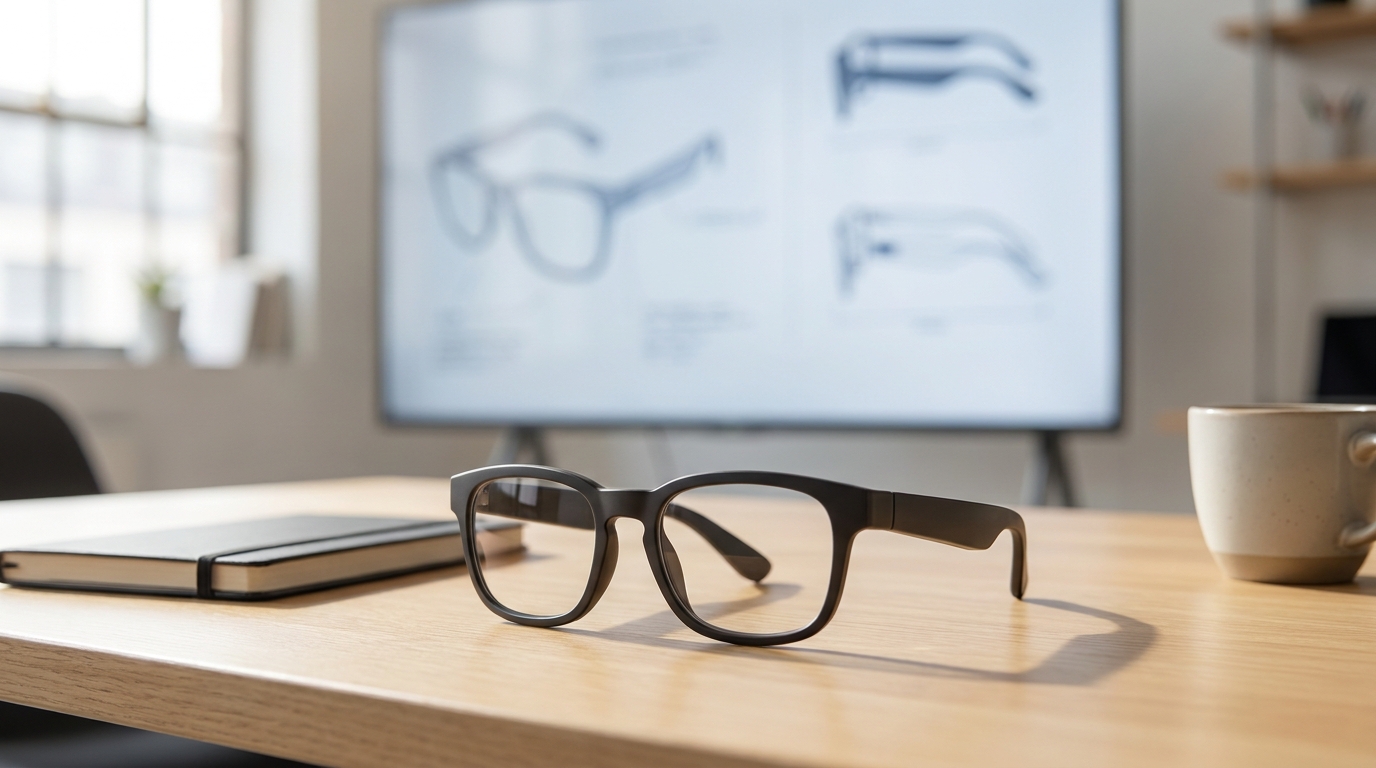
This week, incoming Apple CEO John Ternus reportedly initiated a significant strategic overhaul within the company's smart eyewear division. As MacRumors reports, citing analyst Ming-Chi Kuo, Ternus has cancelled plans for a second Vision Pro model and a lighter Vision Air headset. The move signals a major consolidation, with Apple now focused on just two distinct smart glasses products.
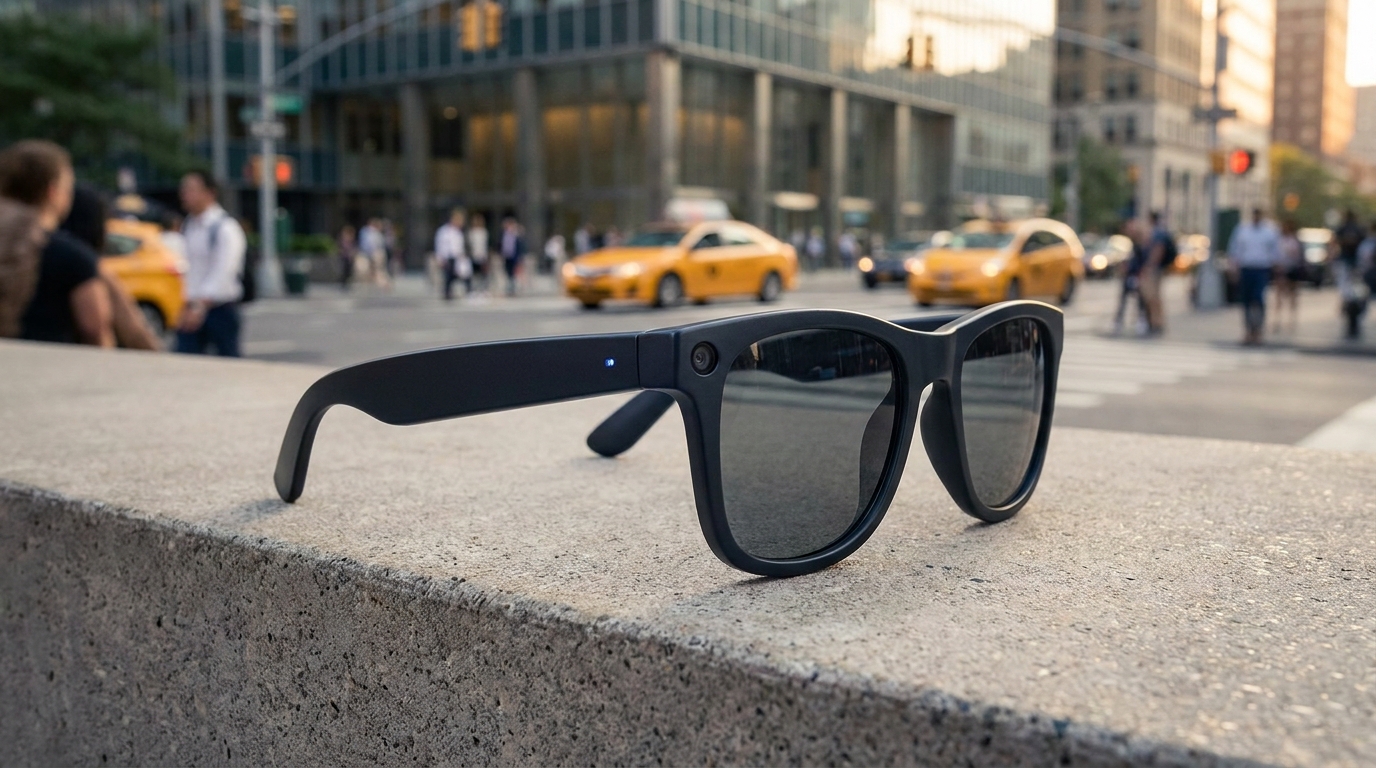
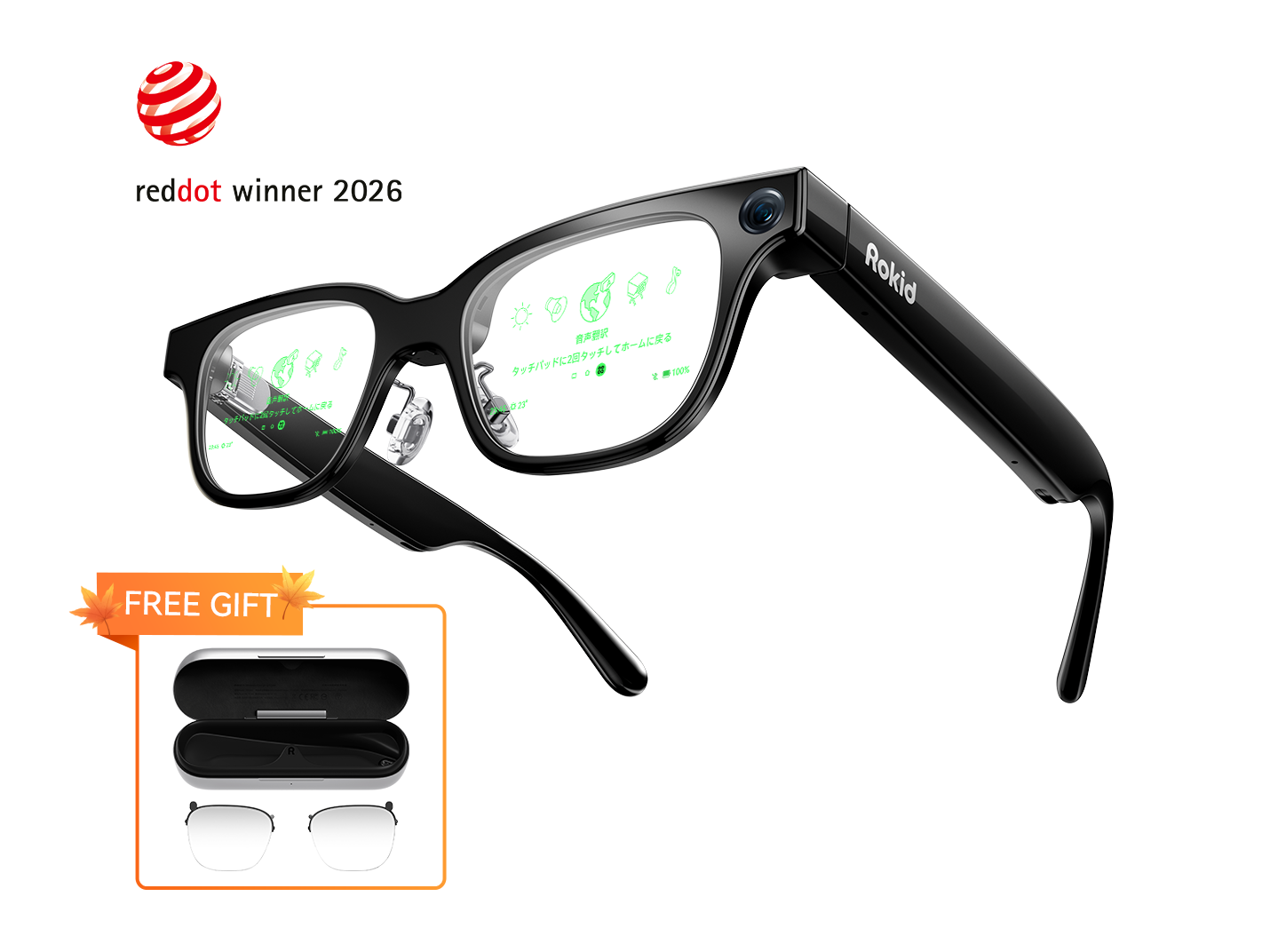
Kuo's analysis, shared via MacRumors, specifies these remaining projects: a set of AI-powered smart glasses, positioned as a direct competitor to devices like the Meta Ray-Bans, and a separate pair of display-equipped augmented reality (AR) smart glasses. According to Kuo, this decision to eliminate the Vision Pro line is a strategic 'right call,' redirecting resources toward wearables with greater mass-market appeal.
The revised timeline from Kuo suggests the AI smart glasses could arrive as early as 2027. The more advanced, display-equipped AR glasses, utilizing optical waveguides for transparent virtual content overlay, are projected for a 2029 launch or later.
Bloomberg's Mark Gurman largely corroborates these insights, with MacRumors noting Gurman's confirmation of the Vision Air's discontinuation in October 2025 and an earlier display-glasses project for Mac being sunset in January 2025. Gurman also aligns with the late 2027 timeframe for AI smart glasses. However, Gurman offers a different perspective on the Vision Pro's future, claiming a Vision Pro 2 is currently 'in testing' though the broader category is 'on ice.' He previously indicated a cheaper, lighter Vision Pro might appear in late 2028 or 2029.
Our take: This strategic consolidation, if true, represents a pragmatic shift for Apple. While the Vision Pro showcased impressive technology, its high price and niche appeal were always inhibitors to widespread adoption. Prioritizing mass-market smart glasses, particularly AI-centric models that directly challenge Meta's successful Ray-Ban lineup, makes far more commercial sense. It's a clear signal that Apple is adjusting its spatial computing ambitions to meet market realities, aiming for accessible everyday wearables rather than solely high-end XR devices. The reported tension between analyst views regarding Vision Pro 2's existence underscores the fluid nature of these long-term product roadmaps.
Interactive guide — prices, displays, cameras, battery.
Share this story