Analysis · —
Android XR: The Unseen Force Reshaping Smart Glasses in the Next 12 Months
The smart glasses market is ripe for disruption, left exposed by Apple's retreat and Meta's privacy missteps. Android XR is poised to become the foundational operating system, powering the next wave of diverse, affordable, and privacy-conscious eyewear.
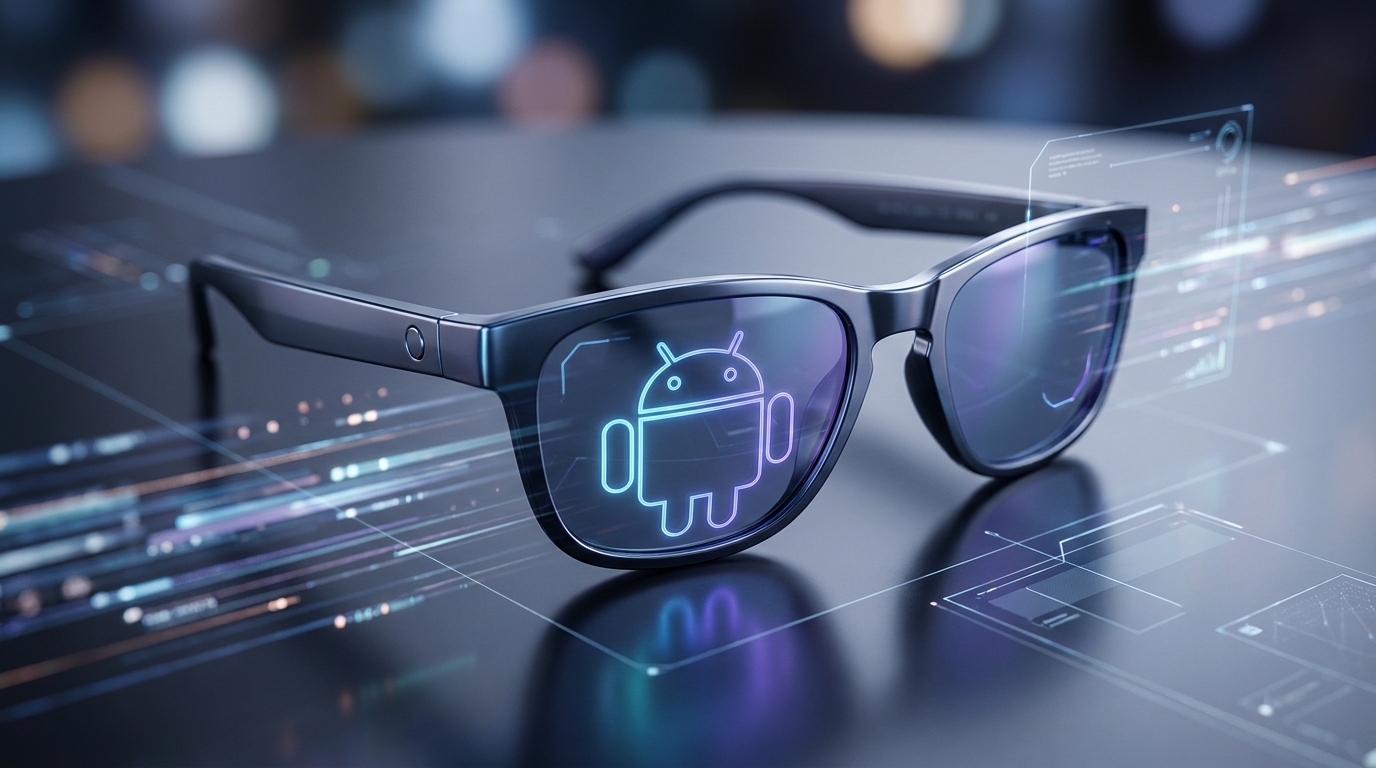
The smart glasses landscape is a chaotic battlefield, littered with the remnants of grand ambitions and unfulfilled promises. While industry titans like Apple and Meta have jostled for dominance, their missteps have inadvertently cleared the path for an entirely different kind of revolution. Within the next 12 months, we will witness the quiet, yet profound, emergence of Android XR as the de facto platform, fundamentally reshaping how smart eyewear is conceived, built, and adopted.
Apple's much-touted Vision Pro, a high-cost spatial computing spectacle, is reportedly undergoing a significant retreat, trimming teams and pivoting towards "Meta-like AI smart glasses." This isn't just a strategic adjustment; it's a concession. The era of premium, standalone virtual escapism is yielding to a future of ubiquitous, integrated AI assistance, a shift that leaves a massive void for an open, flexible ecosystem to fill.
Meta, despite its Ray-Ban branded stealth win in the race for everyday AI glasses, continues to grapple with a foundational problem: trust. The 'pervert glasses' moniker, fueled by the persistent presence of cameras, remains a significant hurdle for mainstream adoption. Even Meta's recently granted 'kill switch' patent, while a proactive measure, is an admission that technical fixes alone cannot fully resolve a deep-seated social trust deficit, especially as new apps emerge to expose hidden cameras.
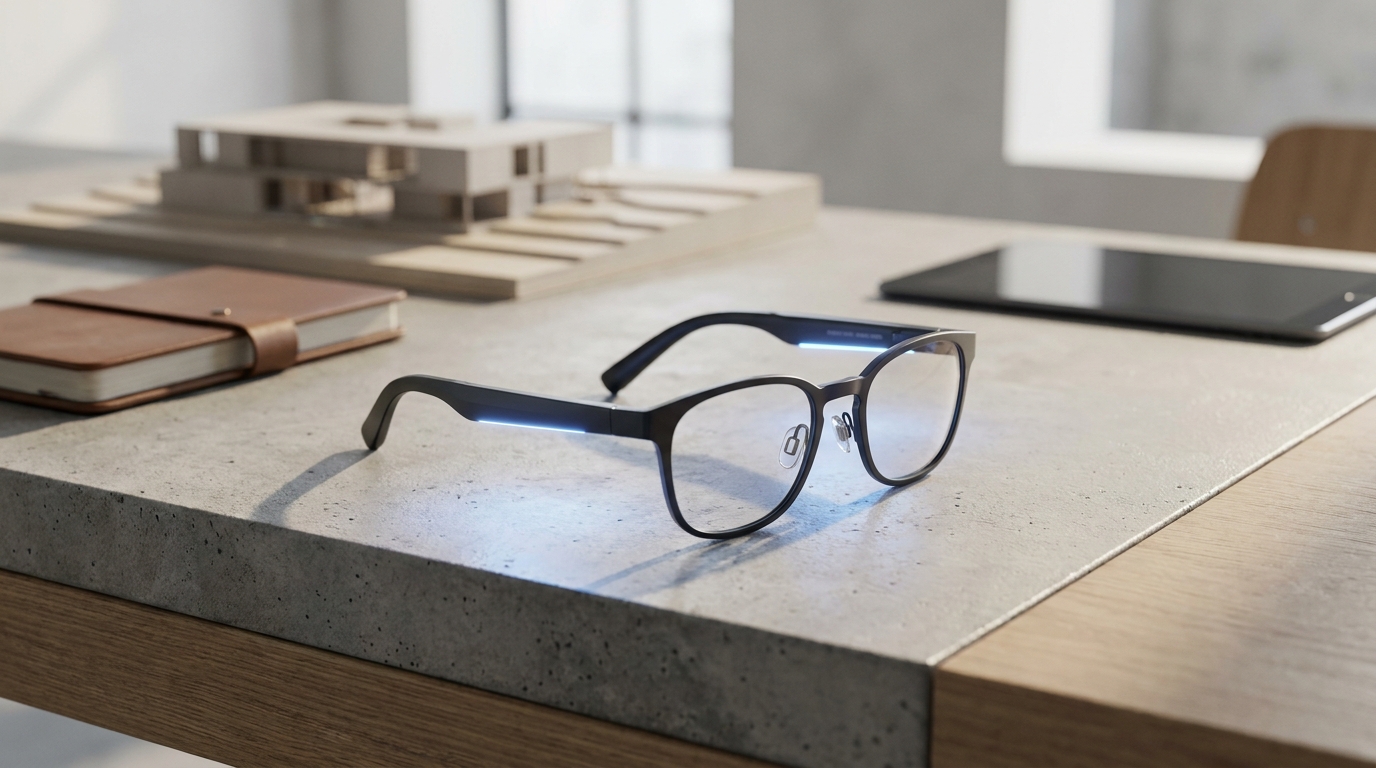
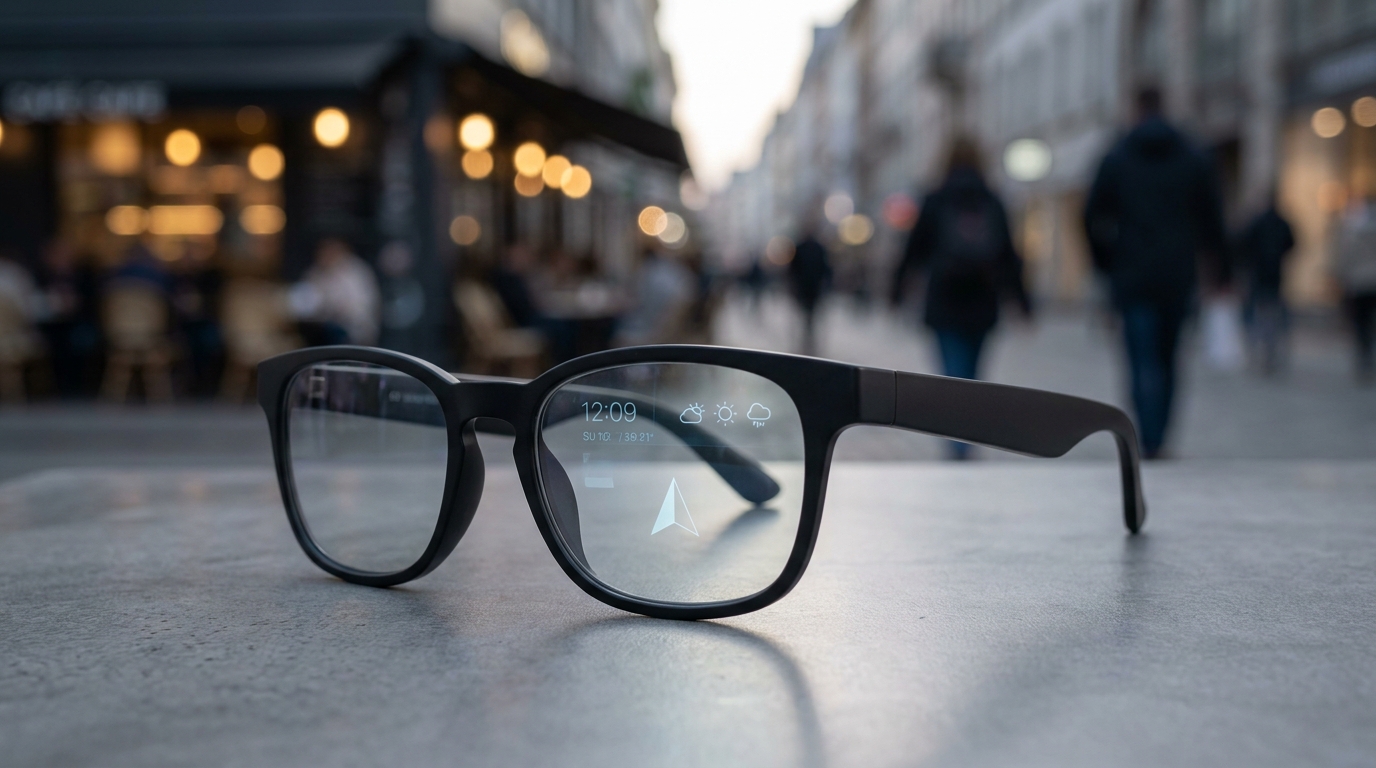
This widespread distrust has created a clear market demand for camera-free solutions. RayNeo's iO glasses, launching with a deliberate absence of cameras, robust AI, and a subtle display, exemplify this shift. By sidestepping the 'voyeur glasses' accusations, RayNeo is carving out a segment for discrete, privacy-first AI assistance, a niche perfectly suited for an open and adaptable platform.
The very architecture of smart glasses is also evolving, moving away from monolithic, all-in-one devices. XRPAK's concept of a 'Portable Spatial Computer' that detaches the 'brain' from the glasses themselves is a game changer. This modularity addresses the perennial power and portability trade-off, allowing for lighter, more comfortable frames while offloading intensive compute to a separate, pocketable unit.
This architectural flexibility is precisely where Android XR will shine. Android's historical strength lies in enabling a vast ecosystem of diverse hardware, from ultra-affordable smartphones to specialized gaming devices. As smart glasses segment into productivity (RayNeo iO), immersive entertainment (RayNeo GT), and AI assistance, Android XR can provide the unified, scalable operating system to power all these variations.
Consider the recent ASUS ROG XBOX Ally X20 bundle with XREAL AR Glasses. This package highlights a clear demand for immersive portable gaming experiences, often running on Android-based software. The existing Android gaming ecosystem, combined with its robust developer tools, positions Android XR as the natural choice for powering the next generation of tethered and untethered AR gaming.
The affordability factor, a cornerstone of Android's success, is also coming to the fore. Rollme's aggressive pricing with the $99.99 ProView and RayNeo's sub-$500 iO glasses demonstrate a clear push for democratization. Android XR, with its open-source lineage and economies of scale, is perfectly poised to facilitate this accessibility, bringing smart glasses to a much wider audience than Apple's or Meta's proprietary, often premium, offerings.
In the next year, expect to see hardware manufacturers, leveraging the XRPAK blueprint for modularity, releasing a cascade of specialized smart glasses powered by Android XR. These devices will likely range from camera-free AI assistants to powerful display-only units for gaming or productivity, all unified by a familiar and flexible operating system. This diversity will rapidly outpace the more constrained ecosystems of the incumbents.
This will not be a sudden, monolithic launch, but a gradual, pervasive infiltration, much like Android's smartphone journey. With Apple momentarily distracted by its pivot and Meta still battling public perception, the window is wide open. Developers, already familiar with Android's tools and libraries, will quickly port and create new experiences for this emerging hardware category.
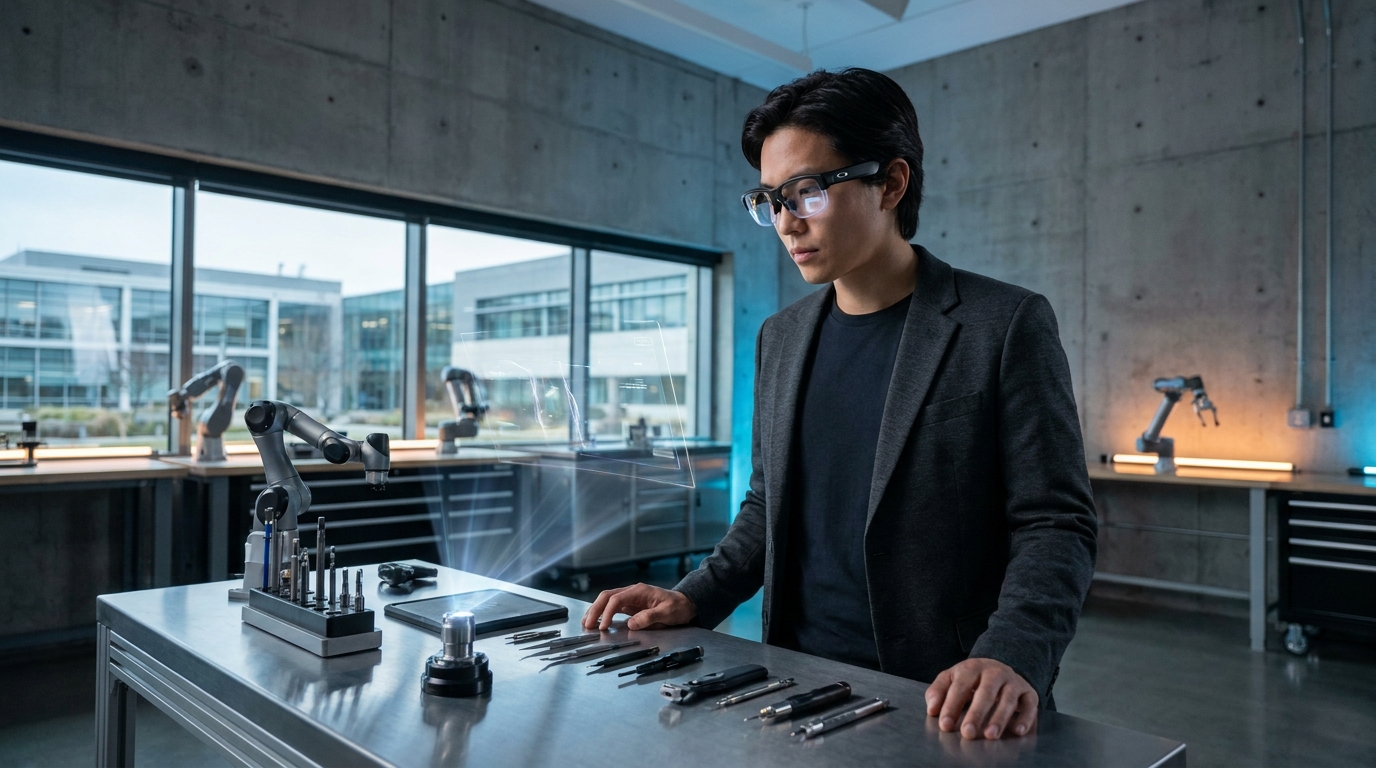
Android XR will disrupt the current duopoly by empowering hardware makers to innovate without being locked into a single platform's design philosophy or revenue model. It offers a pathway for companies to create niche products that cater to specific needs, from robust enterprise tools to fashion-forward consumer devices, all while leveraging a mature, well-supported operating system.
The fragmentation that often characterizes Android will, in this context, be its greatest strength. It will foster rapid experimentation and specialization. We will see devices optimized for voice AI, others for AR content consumption, and still others for specific industrial or personal productivity tasks, all running on the underlying Android XR framework.
The smart glasses ecosystem, currently defined by a few dominant players, is on the cusp of a profound shift. Android XR, by offering an open, flexible, and scalable platform that embraces modularity, affordability, and user privacy, will quickly become the indispensable backbone of this evolving industry. Its influence will be felt across every segment, from high-end specialized hardware to mass-market consumer devices, within the next 12 months.
This isn't just about another operating system; it's about freeing smart glasses from the constraints of closed ecosystems and proprietary visions. It's about enabling a future where wearable intelligence is truly ubiquitous, diverse, and tailored to individual needs, driven by the adaptable power of Android XR.
Interactive guide — prices, displays, cameras, battery.
Share this story