Analysis · —
2026: China's Aggression Versus America's Smart Glasses Retreat
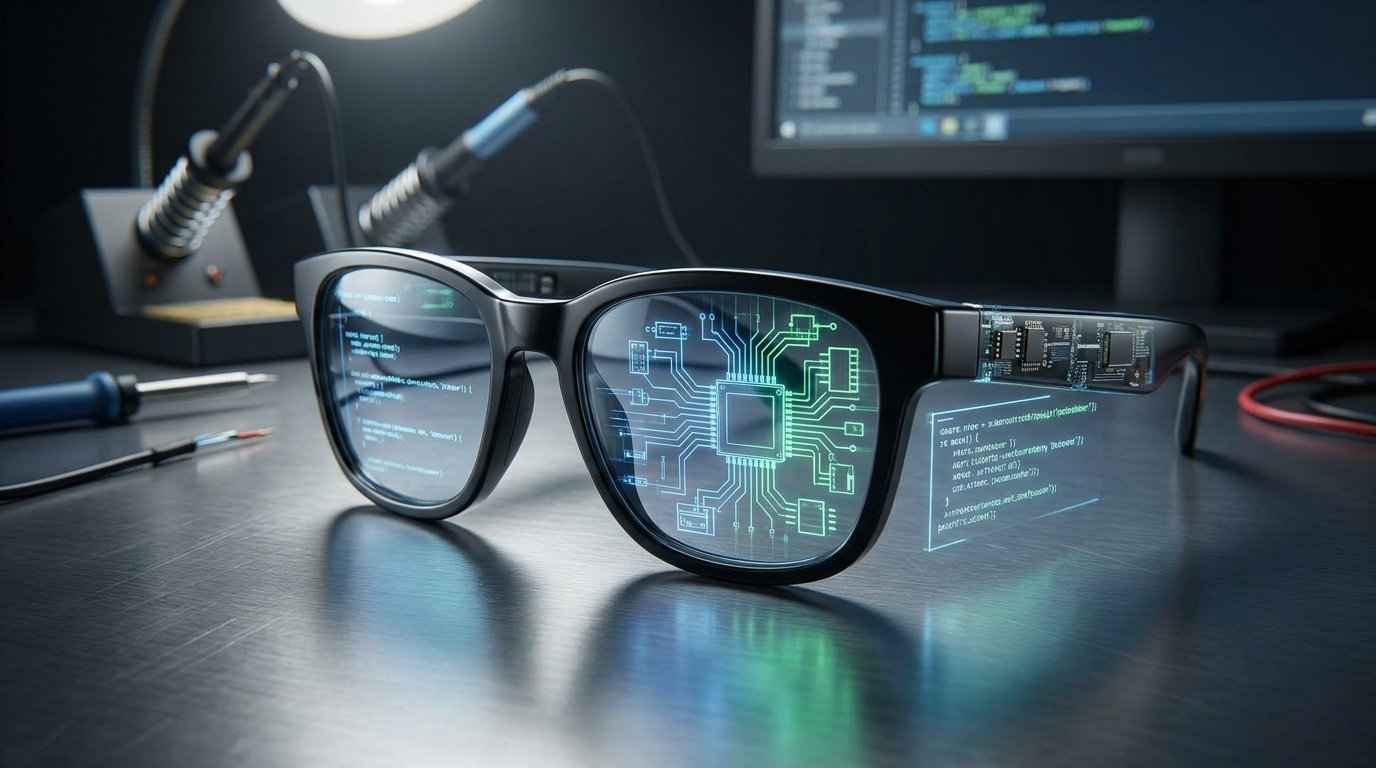
The smart glasses race in 2026 isn't just about features, it's a geopolitical battleground. US giants like Meta grapple with privacy and repair, while agile Chinese firms aggressively undercut prices and diversify their attack.

The smart glasses market in 2026 is no longer a nascent playground; it's a hardened battleground. This year, the real contest transcends mere product specifications, morphing into a strategic clash for global dominance, pitting American technology titans against an ascendant Chinese offensive.
Meta's Ray-Ban smart glasses currently own the lion's share of the consumer market, a testament to their discreet form factor and immediate, camera-driven utility. Yet, this market leadership is built on increasingly unstable ground. The company faces a relentless barrage of privacy complaints and escalating legal challenges.
Meta's camera-first strategy, once its greatest asset, has now become a significant liability. Proposed class-action lawsuits allege the nonconsensual sharing of sensitive user images, even exposing private content to foreign contractors. This isn't just a public relations crisis; it signals a fundamental breach of trust with its user base.
The industry leader's defensive posture is starkly evident in its response: Meta plans to introduce a camera-free version of its smart glasses at Connect 2026. This move is a clear, albeit quiet, admission that its core feature, the discreet camera, is now a legal and ethical quagmire, especially with international scrutiny intensifying in markets like France.
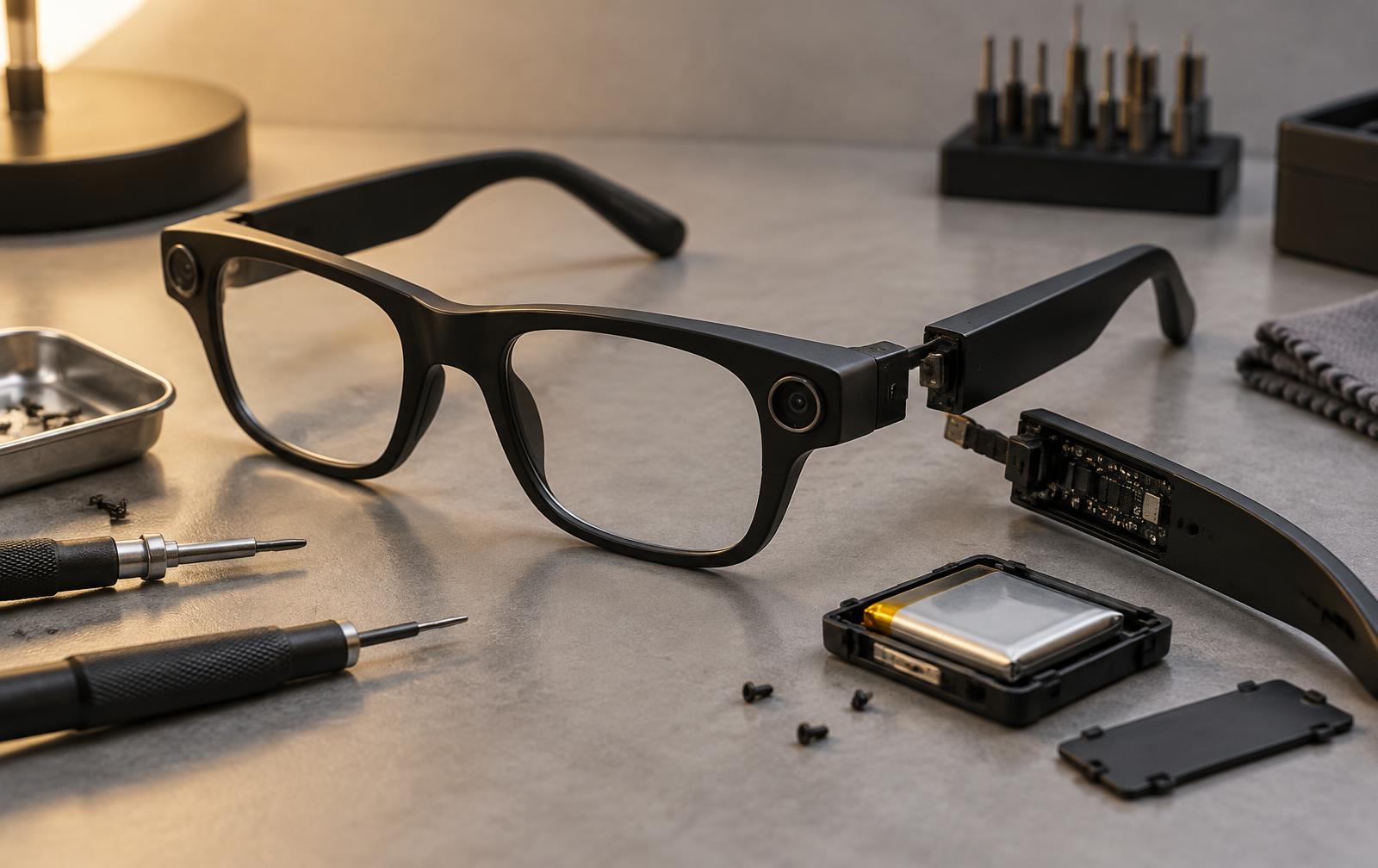
Beyond privacy, Meta faces another domestic challenge, a potent right-to-repair movement. A lawsuit in Colorado directly accuses Meta and Luxottica of violating consumer rights by withholding essential repair materials for Ray-Ban Meta smart glasses. This highlights Big Tech's deeply ingrained control over its hardware ecosystem.
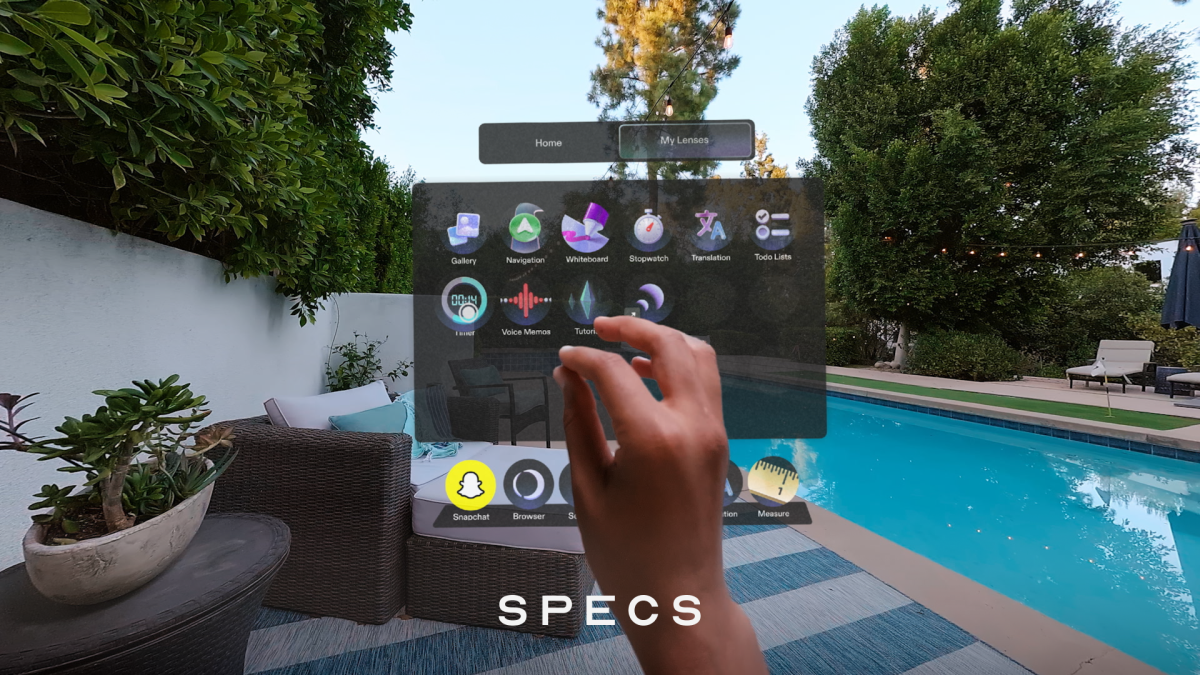
Meanwhile, another American contender, Snap, struggles to carve out its niche, with its $2,200 Specs smart glasses failing to justify their premium price tag to consumers. Snap CEO Evan Spiegel, however, maintains a bold vision, asserting a post-smartphone era and committing a staggering $3.5 billion to enterprise augmented reality.
Snap's strategic pivot is clear: bypass the consumer privacy minefield and low-margin battle by targeting high-value enterprise applications. Partnerships, such as the one with Verizon for 5G AR glasses from SPECS Inc., underscore this shift, aiming for business utility and high-bandwidth, untethered experiences. This divergence from Meta's mass-market strategy represents a pronounced split in US approaches.
While these US giants grapple with internal challenges and market recalibrations, Chinese brands are executing a quieter, yet more aggressive, market penetration. RayNeo, for example, just launched new smart glasses featuring substantial upgrades at a significantly lower price point. This is a direct, undeniable challenge to the US-dominated consumer segment.
Even more strategically, SmartXY is not merely launching isolated products. This new entrant is deploying a multi-pronged assault, offering core platforms, diverse lightweight form factors, and tackling both B2B and consumer segments simultaneously. This sophisticated, diversified approach reveals a long-term vision that extends far beyond single-product releases.
Ironically, the very 'walled gardens' built by American Big Tech and their widespread consumer devices are inadvertently fueling an open-source counter-culture in the US. This bottom-up innovation, epitomized by the 'Mentra' ethos, empowers hackers and builders, creating a dynamic that could either collaborate with or be co-opted by new market players, including those from China.
The smart glasses race in 2026 is less about who boasts the most advanced AR display and more about who can build trust, scale affordably, and expertly navigate the complex regulatory and privacy landscape. American companies are demonstrably burdened by past mistakes and the weight of legacy consumer expectations.
Chinese players, largely unencumbered by the same privacy baggage, right-to-repair demands, or market scrutiny in the West, possess distinct advantages. They can iterate faster, often at a lower cost, and deploy diverse product strategies with remarkable agility. Their capacity to quickly adapt and capture disparate market segments places immense, ongoing pressure on US incumbents.
This year's smart glasses narrative isn't just a technology story; it's a geopolitical sprint. US players, particularly Meta, find themselves in an increasingly defensive posture, desperately attempting to rectify privacy missteps. Meanwhile, China is on offense, strategically undercutting prices and diversifying its attack on every conceivable market front.
Interactive guide — prices, displays, cameras, battery.
Share this story