Analysis · Meta
Meta's Reality Check: Scaling Back XR Ambitions
2025 was slated as pivotal for Meta's metaverse push. Instead, 2026 dawns with significant Reality Labs cuts and a strategic pivot.
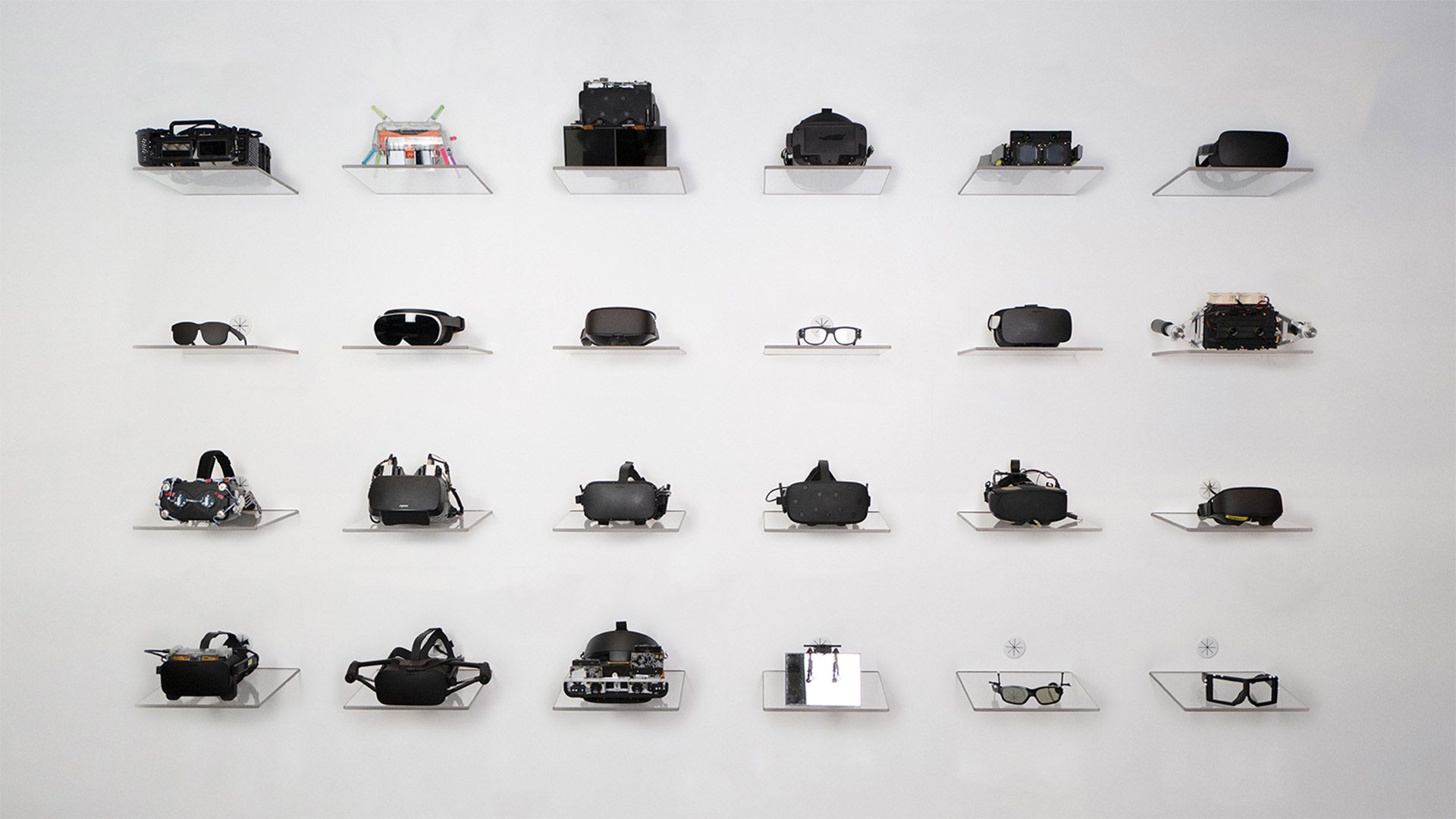
Meta Platforms is significantly restructuring its Reality Labs division at the start of 2026, pivoting away from its expansive metaverse vision. This strategic shift follows a year in which the company's XR ambitions faced a critical 'make or break' assessment. The move signals a re-evaluation of Meta's investment in virtual reality and its broader 'metaverse' concept.
Ben Lang of RoadToVR reports that this re-evaluation comes after Meta CTO Andrew Bosworth had previously characterized 2025 as a 'make or break' year for the company's XR initiatives. Bosworth reportedly stated that the year 'likely determines whether this entire [XR] effort will go down as the work of visionaries or a legendary misadventure'. Lang concludes that, by early 2026, the latter description, 'legendary misadventure', appears to be more accurate.
According to Ben Lang of RoadToVR, Meta is enacting aggressive shifts in its XR strategy due to a perceived lack of desired growth and user adoption. The changes include staffing reductions and outright closures within several first-party VR studios. They note that Meta's business-focused virtual collaboration platform, Horizon Workrooms, is also slated for discontinuation in 2026. Overall, Lang reports that roughly 10% of the entire Reality Labs division is subject to cuts as the company reorients its focus away from VR and direct metaverse development.
Ben Lang indicates that while Meta is not exiting the XR space entirely, its focus is shifting more strongly towards the smart glasses segment of the market. They explain that Meta plans to allow its XR headset platform to evolve organically, rather than continuing to make substantial content investments or actively trying to force the metaverse into existence. RoadToVR's coverage suggests Meta is now prioritizing 'boosting production of its smart glasses to serve growing demand', aiming to potentially double or triple output this year.
Lang further clarifies that this renewed emphasis, while currently centered on smart glasses and AI assistants, aligns with Meta's long-term objective of developing full-fledged augmented reality glasses. The report references Meta's 2024 unveiling of the 'Orion prototype' as an early glimpse into this end goal. The 2025 release of the Ray-Ban Display glasses, alongside a 'neural band', is also cited as a tangible step in this direction, even though Ray-Ban Display currently offers only a limited field-of-view and a static display.
Our take: These reported cuts and strategic adjustments represent a significant recalibration for Meta, signaling a more pragmatic approach to its XR investments. We've been tracking the prolonged financial drain of Reality Labs, and this pivot suggests a recognition that the immediate path to profitability in the metaverse is less clear than initially envisioned. The shift to smart glasses aligns with broader industry trends focusing on more accessible, everyday AR solutions rather than immersive, but niche, VR experiences. This doesn't mean Meta is abandoning XR, but rather optimizing its trajectory for a longer play, prioritizing hardware with clearer near-term market fit.
Interactive guide — prices, displays, cameras, battery.
Share this story