Analysis · Multi-brand
The Death of the Face Camera and the Rise of the Ambient AI Copilot
Silicon Valley tried to sell smart glasses as social surveillance rigs, but consumers and regulators revolted. The real battleground on your face is now an always-on AI assistant that listens instead of stares.
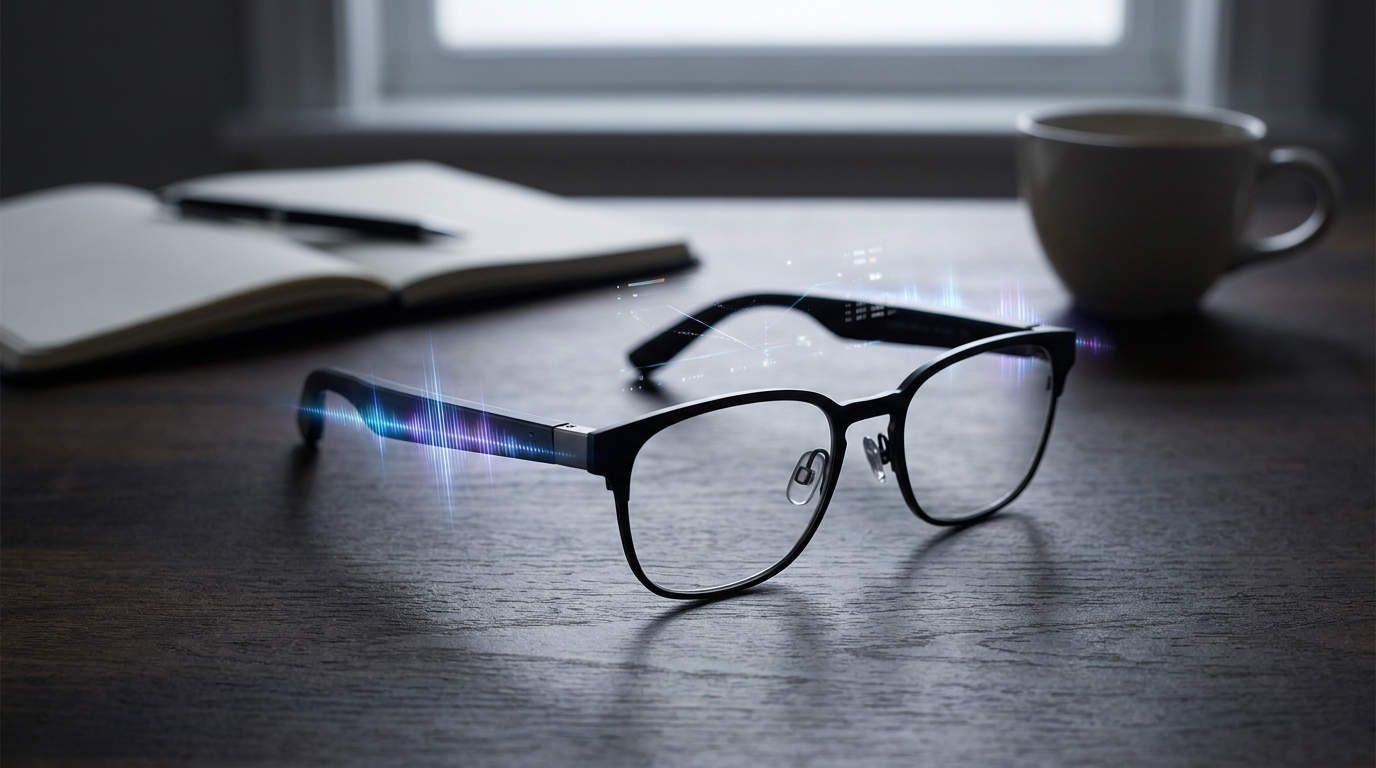
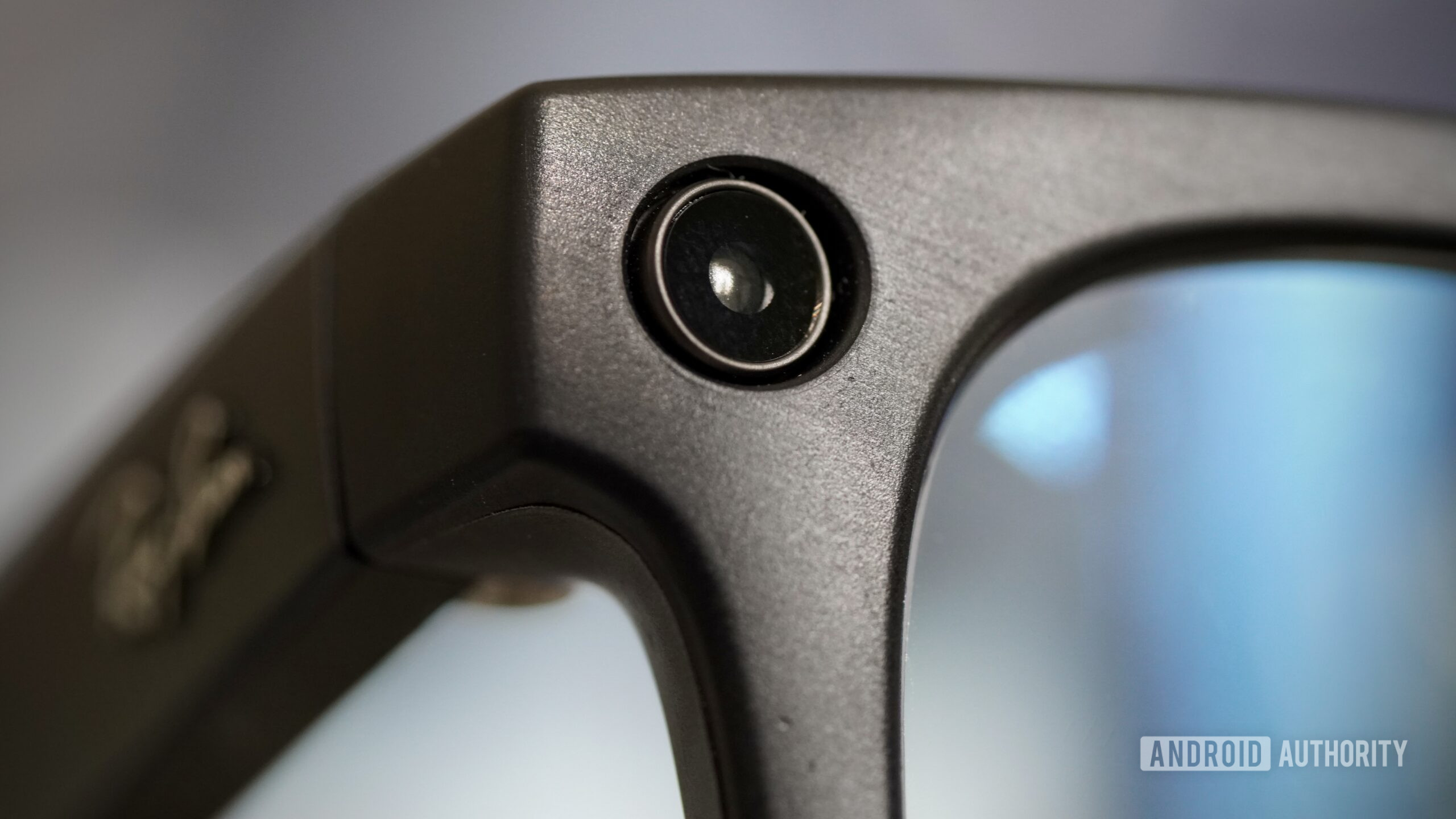
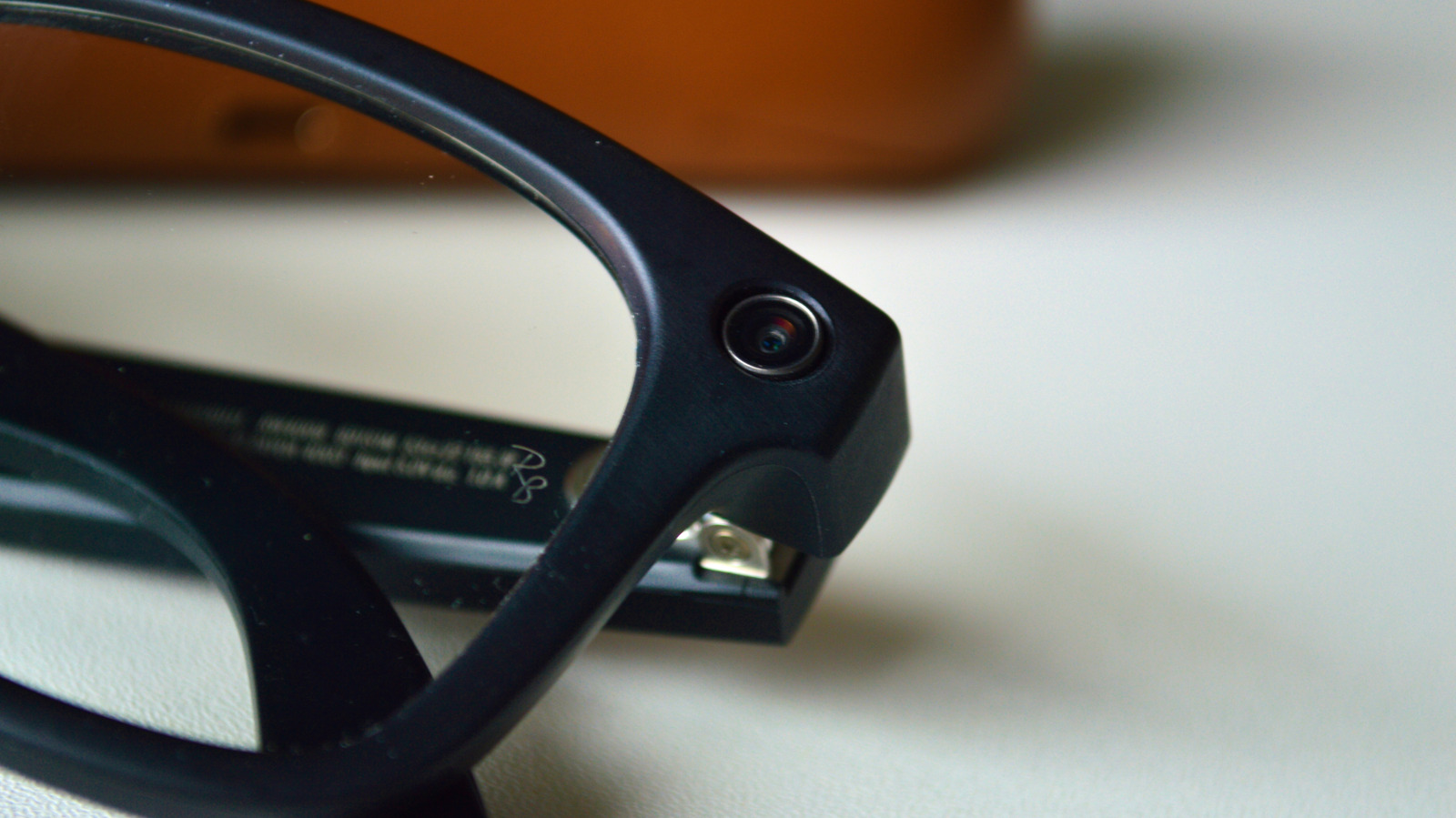
Silicon Valley spent three years trying to convince consumers that smart glasses were meant to be face-mounted action cameras. Hardware executives wanted us to believe that recording public life from eye level was a natural evolution of social media. That premise has officially run out of road. What consumers actually want on their faces is not an ambient surveillance rig, but a quiet, contextual AI assistant that feeds them information without socially ostracizing them.
The financial ledgers are already exposing the limits of the camera-first doctrine. EssilorLuxottica's wearable hardware division recently saw its revenue growth crater from nearly 100 percent down to a modest 20 percent. The initial wave of curiosity buyers has crested, and mainstream shoppers are rejecting the social baggage that accompanies outward-facing lenses. Tech giants can stage all the museum retrospectives and celebrity ad campaigns they want, but the market is delivering an undeniable correction.
The regulatory blowback against camera-laden frames is escalating into a full-blown crisis. US Senators Ron Wyden and Edward Markey recently launched a formal inquiry demanding answers from Mark Zuckerberg regarding bystander surveillance, predatory recordings, and contractor access to user video. Overseas, the friction is just as palpable, with Indian political leaders like DK Shivakumar openly suspecting visitors of orchestrating covert recording stings using camera-equipped frames. When ordinary citizens resort to blasting copyrighted Disney music in public just to trigger automated takedown bots on unsolicited footage, your hardware design has failed culturally.
Faced with this mounting hostility, the industry is quietly pivoting to where the real value always resided: always-on artificial intelligence. Meta's recent introduction of the camera-free Ray-Ban Audio frames is an implicit admission that video capture was a liability. Stripping out the optical sensors while keeping the microphones, speakers, and conversational AI creates a far more socially viable product. Charging a steep $349 for hardware that does fundamentally less might be an awkward retail proposition, but it proves that voice-first assistance is the true anchor feature.
Google sees the shifting tide and is moving aggressively to commoditize the category through Android XR. Much like original Android broke early smartphone monopolies, Google's spatial operating system is designed to turn smart frames into a standardized playground for Gemini intelligence. Rather than relying on a single fashion partnership, Google is building the software spine for an entire army of third-party manufacturers. The company understands that the ultimate face-worn product is not a camera, but an ambient reasoning engine that knows your schedule, parses your environment, and speaks into your ear.
We are already watching hardware partners slash prices to get this AI layer onto consumer faces as fast as possible. Xreal and Google surprised the industry by rolling out immediate day-one price cuts of up to $200 on the Android XR-powered Aura glasses, bringing the base model down to $1,099. That aggressive haircut signals that vendors recognize hardware margins must yield to platform adoption. The priority is no longer selling expensive novelty optics; it is securing user attention for an ecosystem powered by proactive machine intelligence.
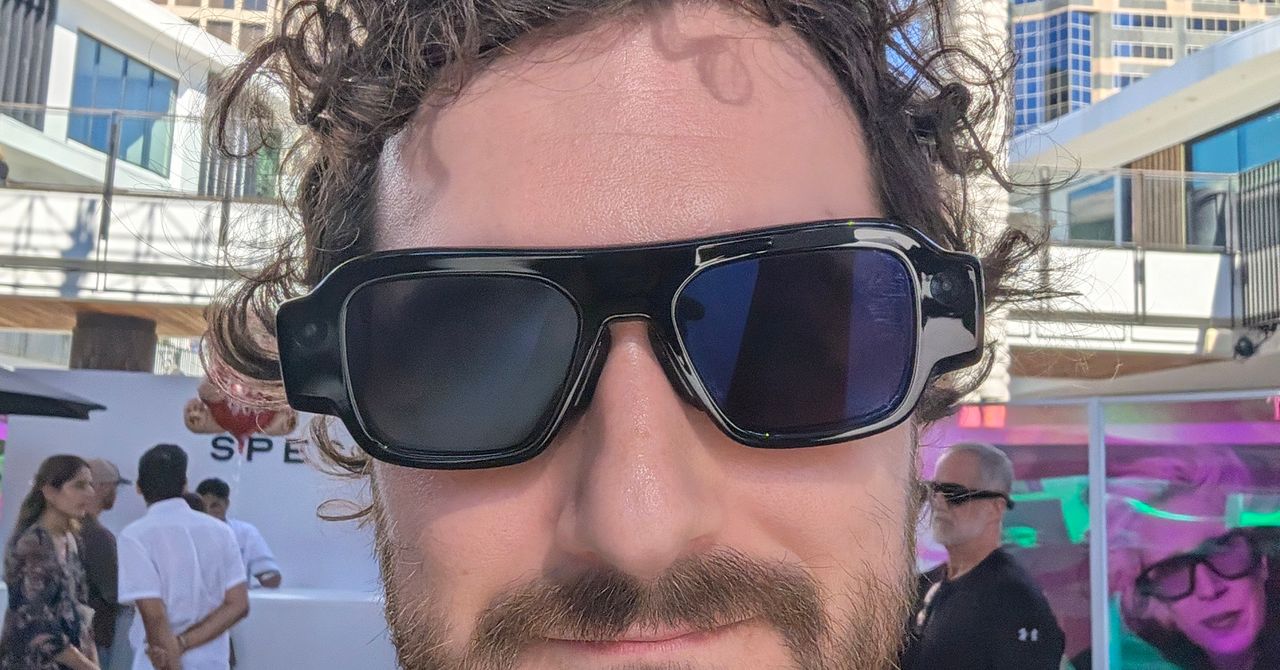
While American tech giants fought regulatory battles over camera ethics, Asian display specialists built the private visual interfaces that make AI truly useful. Companies like Xreal, RayNeo, and Rokid have spent years perfecting spatial monitors, while minimalist upstarts like Even Realities proved that simple heads-up text beats intrusive recording every time. An AI assistant does not need to broadcast its presence to the entire room. It needs to whisper a translation into your ear or float a navigation prompt directly onto your retina without alerting the person standing next to you.
The functional difference between an active recording device and an ambient AI assistant comes down to who benefits from the data. Camera glasses turn the wearer into an unpaid sensor scout for an advertising conglomerate, capturing strangers who never consented to be indexed. A dedicated AI assistant, by contrast, acts as an intellectual shield for the wearer, summarizing meetings, filtering incoming notifications, and pulling contextual data on demand. One creates instant friction with your peers, while the other quietly enhances your cognitive bandwidth.
Removing the heavy computational burden of real-time computer vision also directly addresses the physical bottleneck that has choked this hardware: battery endurance. Processing continuous video feeds burns through tiny lithium-ion cells in a matter of hours, turning stylish frames into uncomfortably warm paperweights. Audio-first and micro-display architectures run cooler, weigh less, and last through a full workday. If an AI assistant cannot stay active from breakfast to bedtime, it cannot become a genuine daily habit.
The upcoming platform war will not be decided by who has the sharpest sensor or the slickest Hollywood marketing. It will be won by the conversational engine that exhibits the lowest latency, the sharpest contextual relevance, and the cleanest integration with everyday digital services. Consumers will happily adopt glasses that make them smarter, more organized, and faster at their jobs. They will continue to reject hardware that makes them look like undercover operatives in their local coffee shop.
Silicon Valley's camera obsession was a multi-billion-dollar detour born from an outdated social media mindset. By treating connected frames as glorified streaming rigs, hardware makers nearly poisoned an entire product category in its infancy. Now that ambient intelligence has arrived to replace the camera lens with real conversational utility, smart eyewear can finally fulfill its original promise. The future belongs to frames that keep their mouths shut, leave bystanders alone, and quietly serve the mind behind the lenses.
Interactive guide — prices, displays, cameras, battery.
Share this story