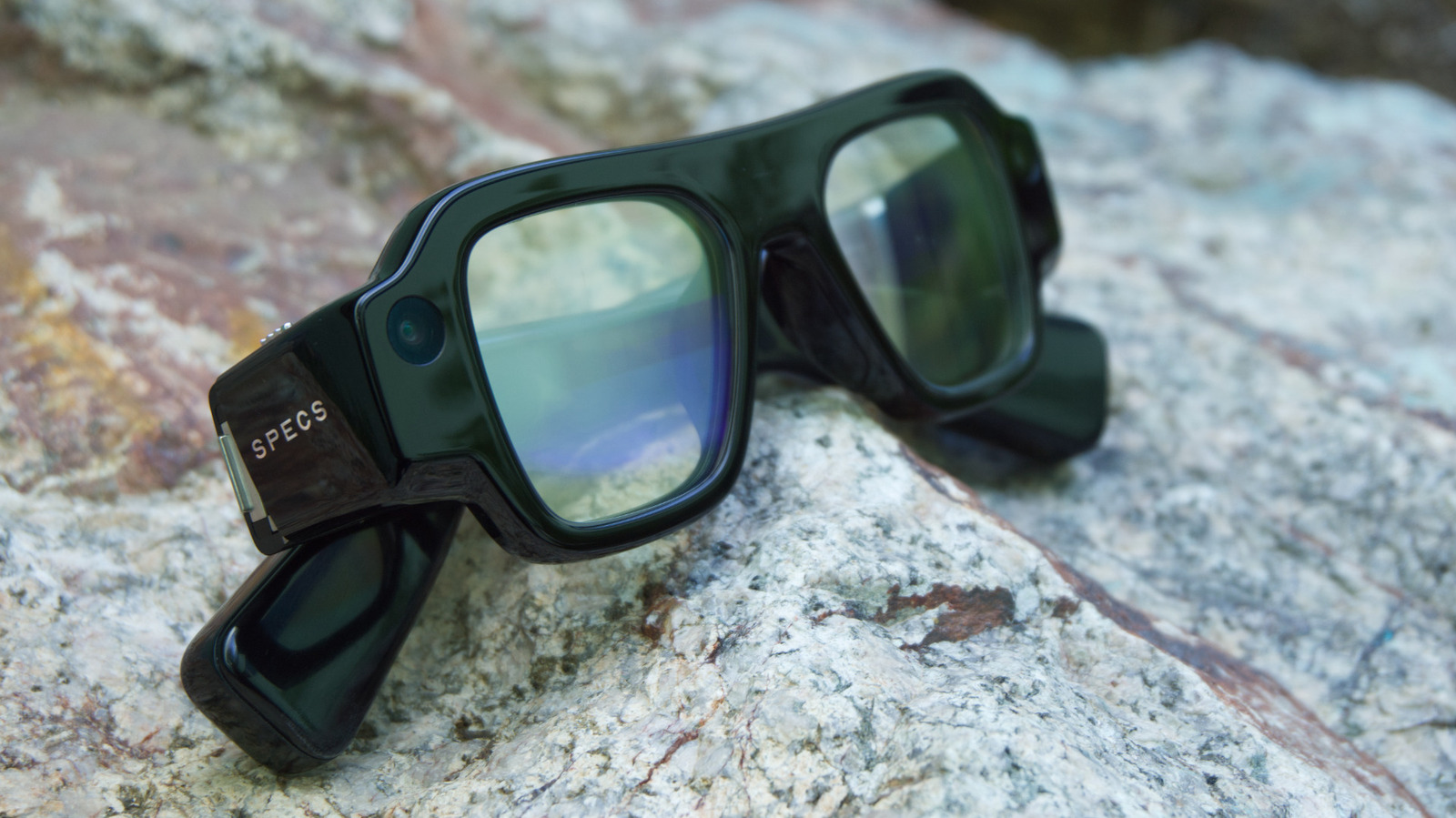
Analysis · —
The Silent Revolution: Why Display-Less AI Glasses Are the Real Mass Market Play
While the industry fixates on flashy AR displays, the true battle for your face is being won by discreet, AI-powered eyewear. Ubiquity, not immersion, is the key to mainstream adoption.
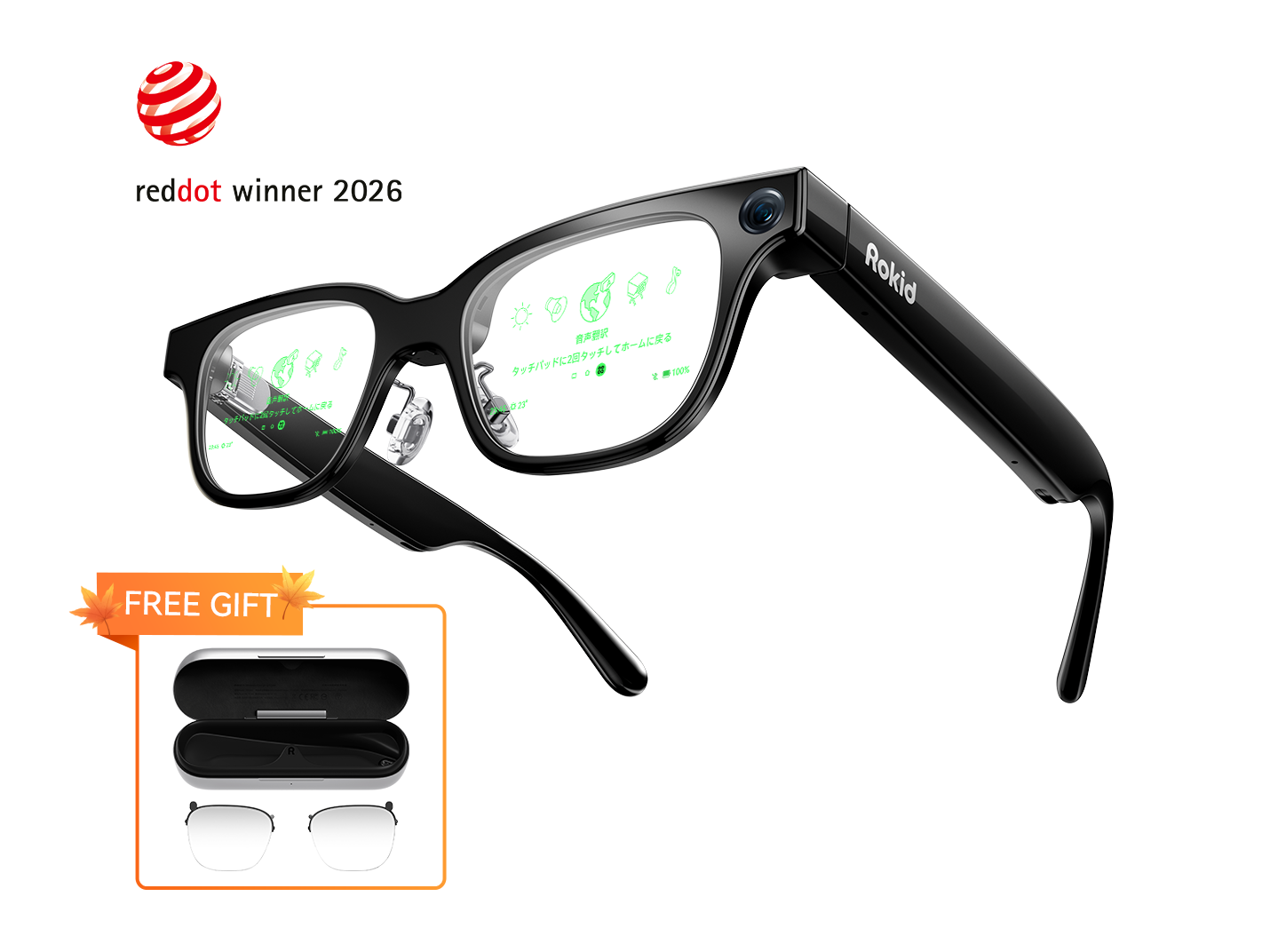
The smart glasses market, for all its bluster, has consistently missed the mark. It's a landscape fractured by conflicting visions: immersive AR versus subtle utility. The display-first contingent, epitomized by companies like XREAL, Rokid, and RayNeo, continues to chase a future where high-fidelity visuals are paramount, believing an 'immersive' visual experience is the only path to true smart eyewear.
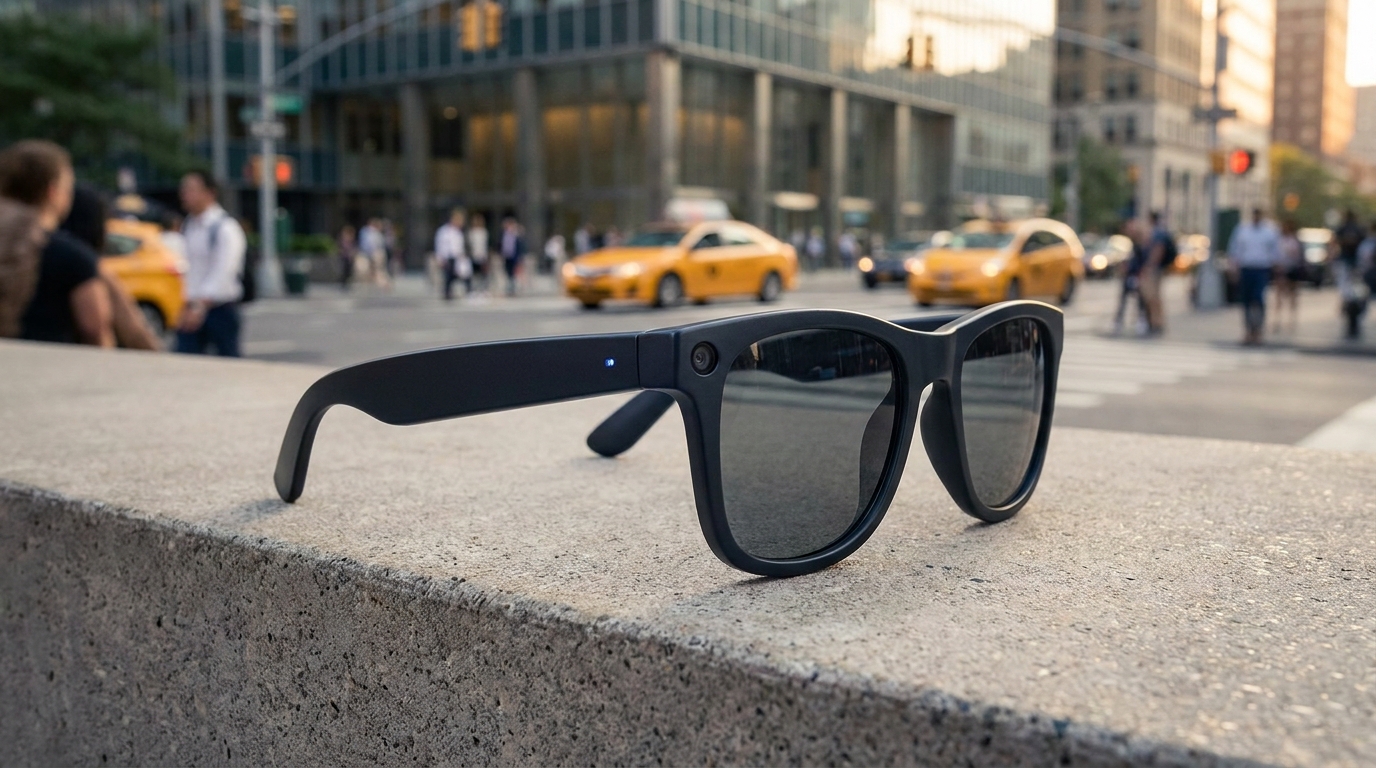
But this fixation on pixel density ignores a fundamental truth validated by Meta's remarkably successful Ray-Ban glasses: mass adoption hinges on wearability and discretion. Their strategic focus on unobtrusive cameras, open-ear audio, and crucial prescription integration, seen with models like Blayzer and Scriber Optics, normalized face-worn technology for millions.
The hardware itself, for all its ergonomic triumphs, was merely the Trojan horse. The true prize, the tectonic shift occurring right now, is the rise of the always-on AI assistant embedded directly within the eyewear. This isn't about seeing augmented reality; it's about mediating and enhancing your everyday reality, silently.
Samsung, with its highly anticipated entry into the smart glasses arena, appears to have learned this lesson. Leaked images and specifications suggest a display-less design, focusing instead on internal components like a Snapdragon AR1 processor and Gemini AI. This mirrors Meta's approach, prioritizing discreet AI functionality over visual overlays.
The utility of these display-less devices is already proving out in diverse, impactful ways. Dogs Inc. in Florida is pairing AI glasses with its assistance dog graduates, offering enhanced vision support that goes beyond traditional guide animals. These glasses provide real-time information and assistance, fundamentally changing how individuals with vision loss interact with their environment.
This points to a broader trend: the most effective smart glasses are those that disappear into daily life. The Inmo Go 3, while featuring dual monochrome micro-LED displays, highlights this by emphasizing functional everyday features like live translation and smart recording for productivity. Its modular design and 40-hour battery life underscore utility and endurance over visual spectacle.
Big Tech's 'fixation' on display-less AI glasses isn't a bug; it's the feature. By stripping down the device to its essential components-a camera, microphone, discreet audio, and an integrated AI-they enable seamless integration into existing lifestyles. This creates a powerful platform for constant, context-aware AI assistance without the clunkiness or social awkwardness of a visual screen.
The 'screen-less' approach has also inadvertently fueled an open-source revolution. For builders and hackers, the deliberate simplification from corporate giants is a boon. It allows for experimentation and customization, paving the way for truly innovative applications that aren't hampered by proprietary display technologies or restrictive ecosystems.
However, this privacy by design, or rather, privacy by omission, is not without its perils. The controversy surrounding Meta's Ray-Ban AI glasses and content moderators viewing explicit footage from personal recordings serves as a stark reminder. When your eyewear becomes a perpetual recording device, the ethical implications, particularly concerning data privacy and moderation, escalate dramatically.
Despite these challenges, the trajectory is clear. The smart glasses market is unifying under the banner of Android XR, which will likely power many of these display-less devices. Its subtle ubiquity will redefine what 'smart' eyewear even means, shifting the focus from visual spectacles to intelligent, always-on companions.
The real battle isn't about whether a device has a screen or a celebrity endorsement; it's about the underlying operating system and the AI that powers the always-on assistant. Display-less AI glasses are poised to become the undisputed bedrock of the smart glasses ecosystem, precisely because they prioritize discretion and ubiquity over the visual theatrics of AR.
So, while some industry players continue to chase the ghost of AR headsets, the true mass market is being won by stealth. The best smart glasses are those you barely notice you're wearing, the ones that seamlessly integrate AI into your life without demanding your constant visual attention. This isn't about vision; it's about ubiquity and intelligent augmentation.
This silent revolution is fundamentally altering our perception of wearable technology. The conversation has moved beyond whether people will accept computers on their faces; it's now about how these intelligent devices will subtly and perpetually mediate our entire reality.
The smart glasses narrative of 2026 isn't some distant AR fantasy; it's here, and it's already on your face, quietly, and powerfully, reshaping your world without a display in sight.
Interactive guide — prices, displays, cameras, battery.
Share this story