Analysis · XREAL
The Quiet AR Victor: XREAL, RayNeo, and Rokid's Smart Display Dominance
While giants stumble over bulky headsets and niche gadgets, these three brands are laser-focused on delivering the practical, display-driven smart glasses that consumers actually want. Their subtle dominance is reshaping the future of personal computing.
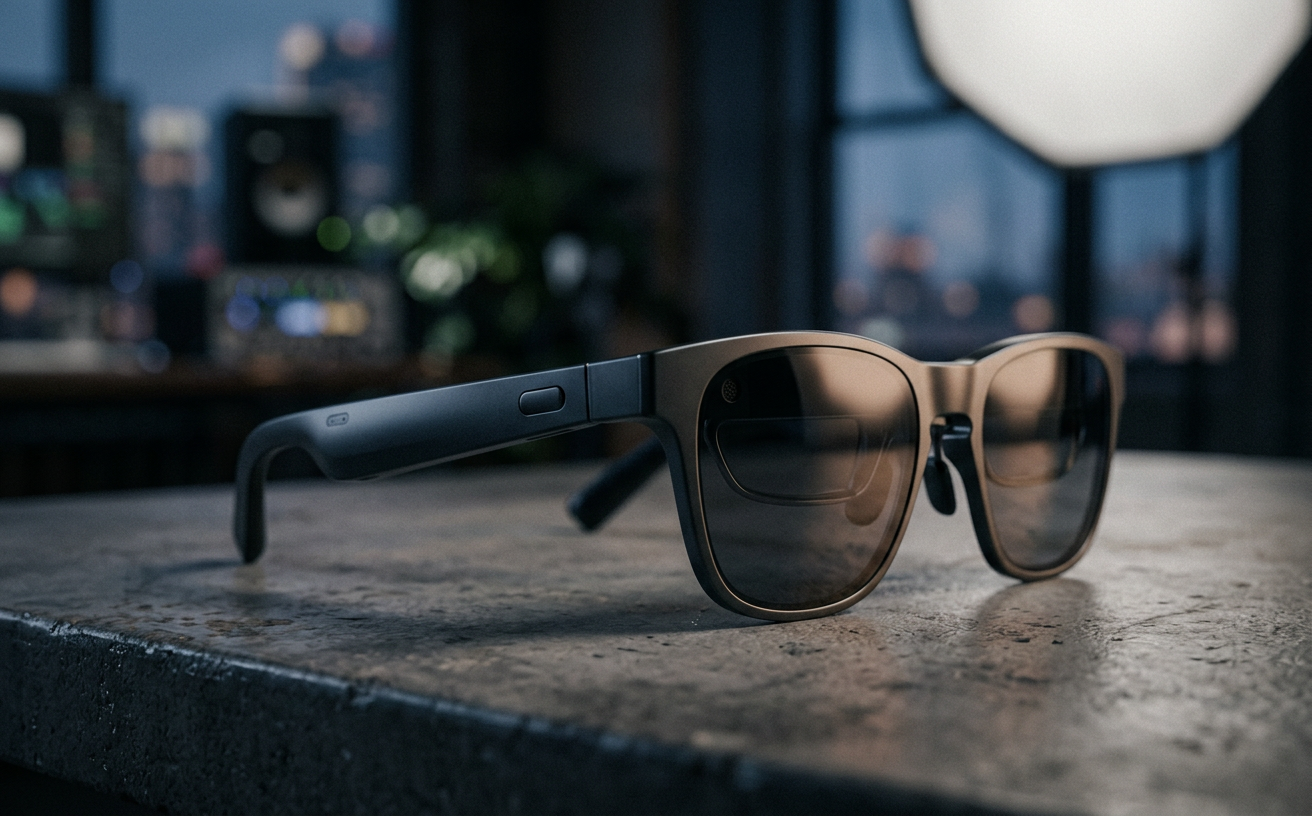
Forget the spectacle. While Apple Vision Pro delivers cinematic vistas and Snap chases a $2,500 AR dream, a far more pragmatic and potent force is quietly commanding the smart glasses arena. XREAL, RayNeo, and Rokid aren't just building devices; they're architecting the future of visual computing, one crisp, functional display at a time. Their collective success isn't an accident; it's a direct response to a market yearning for utility over novelty, for augmented reality that enhances daily life rather than demanding a complete escape from it.
The evidence is mounting, and it points away from the over-hyped, under-realized ambitions of the mega-corps. Recent crowdfunding surges, detailed by Smart Glasses Daily, aren't just modest wins; they're riots of consumer demand, signaling a grassroots hunger that Google, Meta, and Apple are only beginning to comprehend. These aren't niche tech enthusiasts either; they're the early adopters validating a future that pundits continue to underestimate, a future where smart eyewear is not just a possibility, but a necessity.
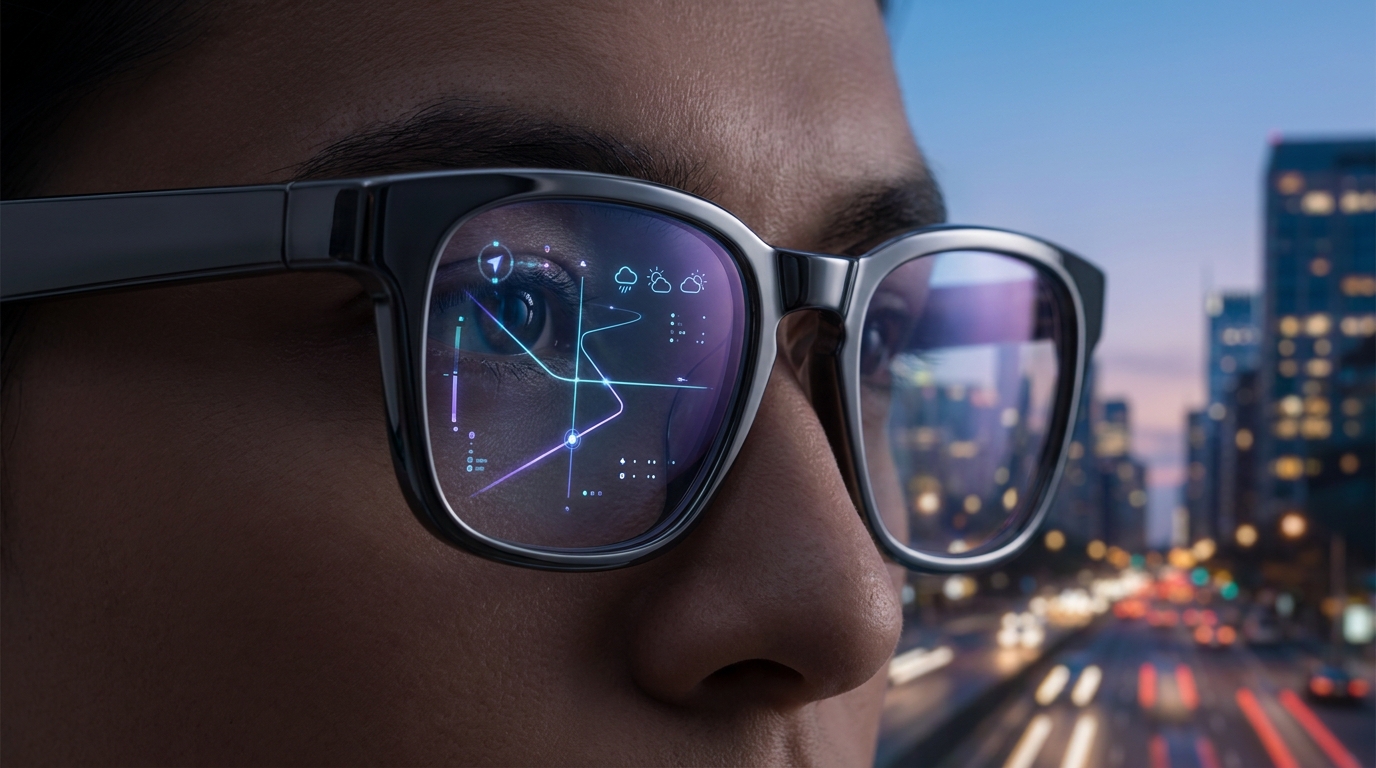
XREAL, in particular, is making significant inroads, not by chasing the abstract promises of full immersion, but by focusing on practical display integration. Their collaboration with Google on Project Aura, running Android XR, is a testament to this strategy. WIRED notes that this initiative aims to bring a full app interface into the user's field of view, navigable by gestures. This isn't a sci-fi fantasy; it's a direct evolution of how we interact with digital information, moving it from a pocketed rectangle to an integrated visual overlay.
This approach directly challenges the prevailing narrative that AI glasses must be display-less audio devices. While some, like Google's own rumored audio-focused frames, lean into that subtlety, the XREAL-led Android XR cohort is proving the enduring appeal of visual augmentation. The desire for a 'portable monitor' experience, as seen with Viture's Luma Pro finding a second life on eBay, underscores the consumer appetite for wearable displays that offer a tangible benefit without the bulk of a headset.
RayNeo, often operating in concert with Qualcomm's technology, is another key player aggressively pushing the display-forward agenda. Their devices are designed to act as extensions of our digital lives, offering large virtual screens for productivity and entertainment. This focus on providing a rich, visual experience directly in the wearer's line of sight is precisely what resonates with a market tired of clunky interfaces and limited functionality.
Rokid, meanwhile, has carved out a strong presence by offering powerful, yet relatively sleek, AR glasses that prioritize visual computing. Their commitment to developing robust display technology, often geared towards professional and enthusiast markets initially, is now trickling down to influence broader consumer expectations. The company's ability to deliver crisp, high-resolution visuals sets a benchmark that many are striving to meet.
The contrast with Snap's reported $2,500 AR Spectacles couldn't be starker. While Snap's ambition is clear, that price point firmly plants it in the realm of ultra-premium gadgets, far from mass adoption. Tech journalist Alex Heath's reports highlight a device that, while capable, is positioned to remain a niche product for the foreseeable future. This is a gamble on spectacle, not on practicality.
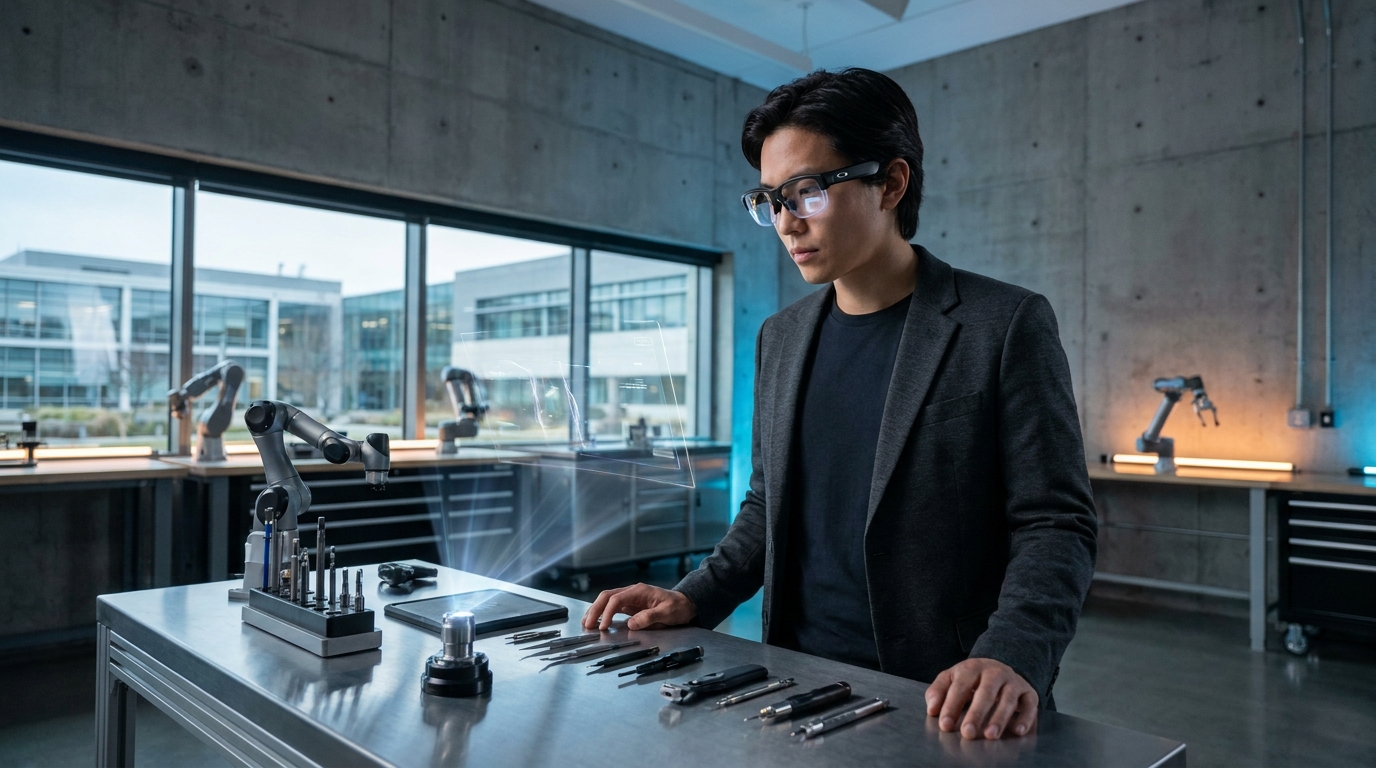
Google's own strategy, as evidenced by its partnership with XREAL, Warby Parker, and Gentle Monster for Android XR, appears to recognize this. While Google I/O showcased a dual approach, with some devices leaning towards AI assistance, the most compelling hardware demonstrated featured actual displays. The prototypes previewed by TechCrunch, with Gemini-powered overlays and custom widgets, represent a direct evolution of XREAL's vision, not a departure from it.
The underlying lesson is clear: the real AR display war isn't being won by those who can project the most elaborate fantasy, but by those who can seamlessly integrate useful, visual information into our everyday lives. XREAL, RayNeo, and Rokid have understood this fundamental truth, focusing on form factors that are wearable and displays that are functional.
This isn't about replacing your phone or transporting you to a metaverse. It's about enhancing the world around you with contextual information, providing a private screen for on-the-go tasks, and doing so without the social awkwardness or immense cost associated with bulkier, more ambitious devices.
The ongoing development of Android XR, spearheaded by these companies, signals a unified front for a practical, display-centric future. Google's investment here, rather than solely in the display-less realm, validates the path XREAL, RayNeo, and Rokid have been forging.
These manufacturers are quietly building the everyday smart glasses that the market is demonstrably hungry for. Their focus on functional displays, wearable designs, and practical applications is a masterclass in understanding consumer needs, a lesson the rest of the industry is slowly, painfully learning.
The long-term victors will be those who deliver a persistent, helpful visual augmentation, not a temporary escape. And right now, that battlefield is dominated by the clear, crisp displays emerging from XREAL, RayNeo, and Rokid.
Interactive guide — prices, displays, cameras, battery.
Share this story