Analysis · -
The Invisible Hand: Why Display-Less AI Glasses Are the Real Mass-Market Play
The industry's relentless pursuit of AR displays is a costly dead end, creating bulky, power-hungry devices no one truly wants. True mass adoption hinges on omnipresent, display-less AI intelligence that seamlessly integrates into daily life.
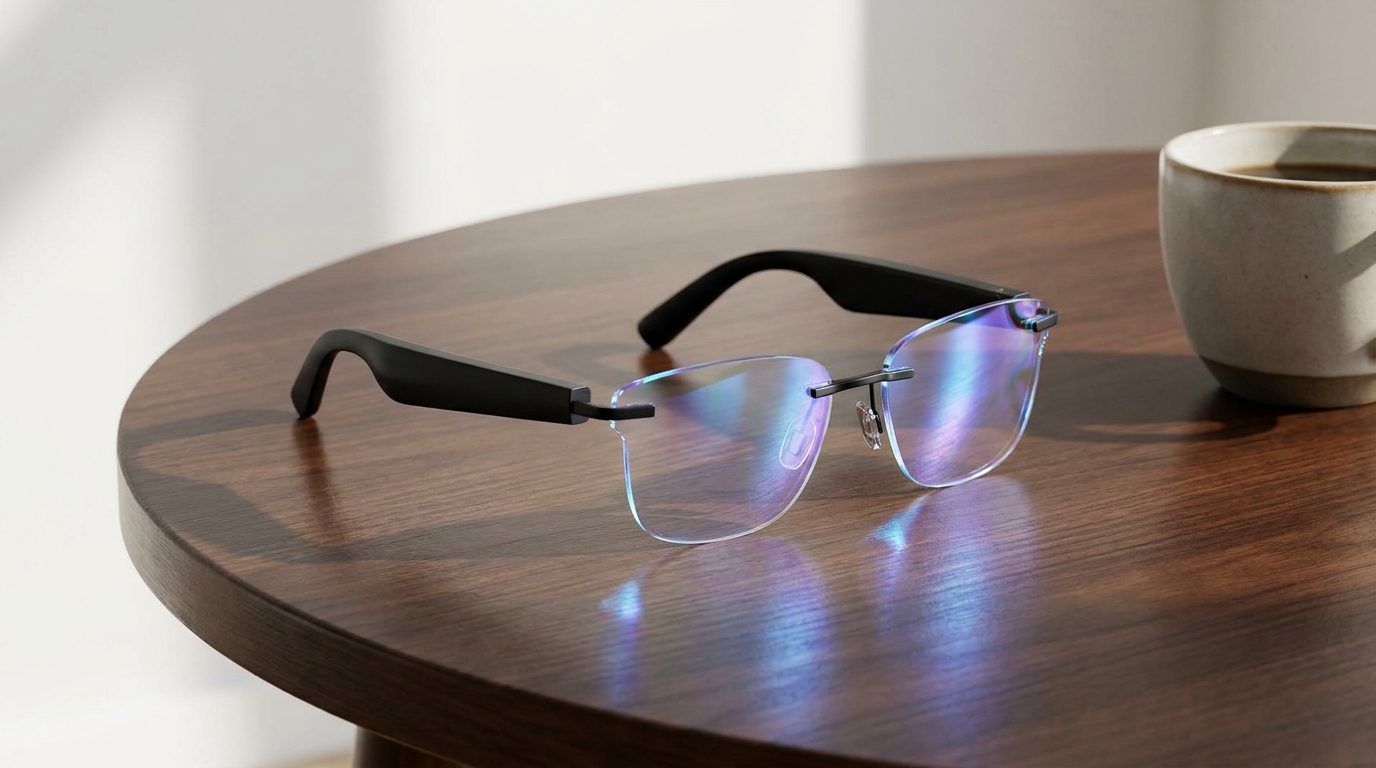
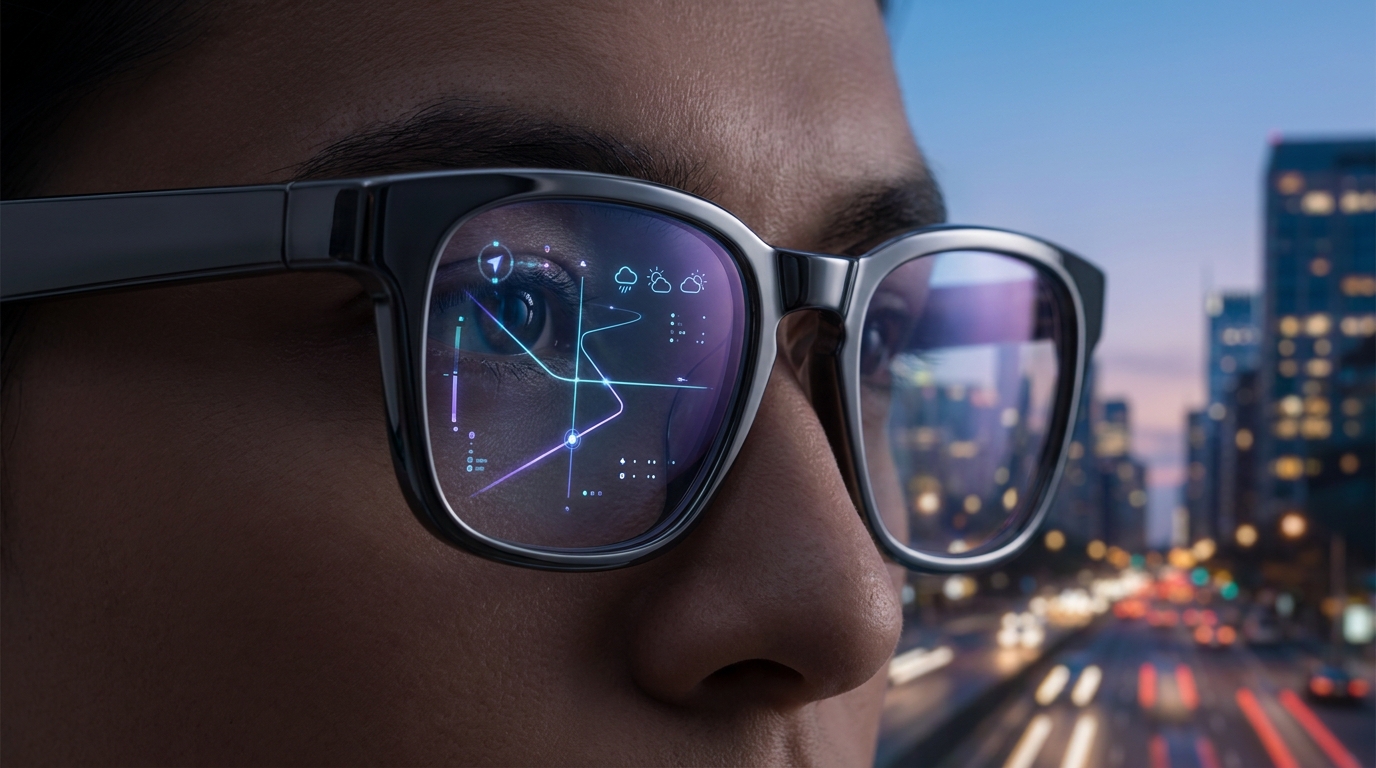
For years, the smart glasses industry has been caught in a visual paradox, chasing the elusive ghost of augmented reality displays. From XREAL's Project Aura, a wired XR spectacle with Google, to Everysight's Maverick AI Glasses pushing lightweight full-color AR, the fixation on screens remains undimmed.
These efforts, while technically impressive, fundamentally miss the point of mass-market adoption. They embody a 'screen obsession' that drains batteries, creates social awkwardness, and ultimately prevents true 'always-on' AI from becoming a reality, a problem Smart Glasses Daily has consistently highlighted.
Consider the recent Google I/O 2026. While XREAL, Google, and Qualcomm showcased Project Aura's immersive spatial computing, a different kind of revolution was brewing. Industry veteran Thierry Fautier famously dubbed it 'G-Day, not Google Day, but Glass Day,' pointing to Android XR's ability to recall past interactions and launch apps from conversation alone.
This shift, where intelligence overshadows display, marks a critical turning point. Instead of projecting pixels onto the world, the focus moves to processing it, understanding it, and responding contextually. This is the 'silent revolution' of AI assistants taking over eyewear, not with flashy visuals, but with omnipresent intelligence.
The core problem with display-centric smart glasses is glaring: battery life. Despite the hype for always-on AI, the 'dead battery' issue remains an existential threat. Intricate AR displays, even in a relatively lightweight device like Everysight's 47-gram Maverick with its OLED in-lens display, are inherently power-hungry.
This constant power drain sabotages the promise of truly omnipresent AI. How can intelligence be 'always-on' if the device needs recharging every few hours, or if it requires a bulky tether like XREAL's Project Aura? Display-less AI glasses inherently offer a fundamental advantage here, drastically reducing power consumption.
Beyond power, display-focused glasses falter on social acceptance and privacy. The overt tech factor, coupled with easily concealed cameras for recording, makes many consumers uncomfortable. The incident where a British woman was unknowingly filmed by smart glasses and extorted illustrates the severe privacy risks.
Display-less devices, by minimizing or eliminating obvious visual output and shifting focus to audio-first interaction, naturally reduce these friction points. They blend into everyday life more seamlessly, echoing the subtle utility hinted at by Even Realities' focus on 'context without compromise' in their G2 development.
Google's Android XR, an open ecosystem unlike Apple's walled garden or Meta's empire building, is poised to unleash this AI-first smart glasses revolution. Samsung's imminent entry with Android XR-powered devices, potentially in collaboration with a design-focused brand like Gentle Monster, reinforces this trajectory toward practical, integrated eyewear.
The true mass market isn't yearning for a tiny, low-FOV screen strapped to their face. They are looking for intelligent companions that enhance their daily existence without demanding constant attention, recharging, or social explanation. They want context, assistance, and utility, not another visual distraction.
While Snap's Spectacles continue to host developer bootcamps focused on AR Lens development and sparse mapping, that vision remains niche. The wider world is not waiting for more AR; it is waiting for smart glasses that simply get out of the way, providing information and interaction when needed, without a screen.
The path to mainstream adoption is paved with invisibility, not flashy displays. It prioritizes omnipresent, conversational AI that anticipates needs, offers information, and acts as a truly seamless assistant. This is the promise that display-less AI glasses alone can deliver.
Interactive guide — prices, displays, cameras, battery.
Share this story