Analysis · Google
G-Day: why Google's Android XR live demo just reset the AI glasses race
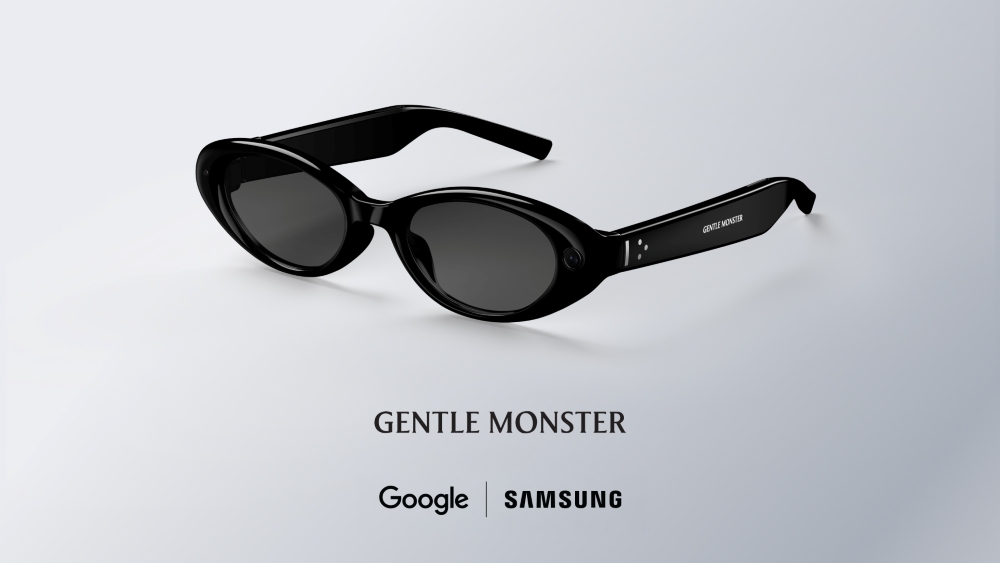
At Google I/O 2026, Android XR glasses recalled past interactions and launched apps from conversation alone. Industry veteran Thierry Fautier calls it Glass Day, not Google Day.
For two years, Meta's Ray-Ban glasses defined what an AI wearable was supposed to feel like: capture, listen, livestream, and ask the assistant a question. Useful, occasionally magical, but not yet a new computing paradigm. That changed on stage at Google I/O 2026.
Industry veteran Thierry Fautier, a long-time video and streaming executive who has tracked the XR market for years, framed the moment bluntly in a widely shared LinkedIn note: "This is G-Day, not Google Day, but Glass Day." According to Fautier, the live demo of Android XR glasses crossed a line that previous AI eyewear had only flirted with.
Two capabilities did the heavy lifting. First, the glasses recalled prior interactions and answered follow-up questions contextually, behaving less like a voice assistant and more like a persistent memory layer worn on the face. Second, and arguably more important, they activated applications directly from the conversation, with no phone in hand.
That second point is the one Fautier keeps returning to. "That changes the equation," he wrote. If the glasses can launch and drive apps from natural language, the smartphone stops being the hub. It becomes optional infrastructure, and eventually a battery pack for something you wear.
Google says Android XR glasses will work on both Android and iOS. Fautier is skeptical that the experience will be symmetrical. "When a platform owner controls the operating system, APIs become strategy. Integration depth becomes competitive advantage," he wrote. Android users get the full vision; iPhone users likely get a sandboxed version constrained by Apple's ecosystem rules.
Video: Google on YouTube
The strategic read is that the next computing war will not be fought primarily over which AI model is smartest. It will be fought over operating systems, ecosystem control, memory layers, and ownership of the interface between humans and AI. Whoever owns that interface owns the pace of innovation, the data, and the default behavior of hundreds of millions of users.
That reframes a few stories that previously sounded speculative. Meta's bet that AI glasses can eventually replace smartphones suddenly looks less like marketing and more like a roadmap. Startups such as Mentra, which has built its own glasses-native OS and app store specifically to avoid depending on Apple or Google's mobile platforms, look less like hobbyists and more like the only independent path. And the persistent rumors that OpenAI is targeting a 2028 AI-first device, with ambitions to displace both iOS and Android, become easier to understand once you accept that the interface itself is the prize.
What Google showed is also a warning shot at Cupertino. Apple is widely rumored to be working on its own glasses, and WWDC is only weeks away. The open question is whether Apple defends the smartphone era or accelerates its replacement. Some reports suggest Apple is exploring Gemini as a backend for parts of its AI stack, which would be an extraordinary admission about who currently leads on conversational models.
For everyone else in the smart-glasses category, the playing field just shifted. Meta is no longer alone at the top of the AI-glasses conversation. XREAL, Rokid, RayNeo, Viture and the rest of the display-first crowd now have to articulate where they fit in a world where Google and Apple are positioning glasses as the primary AI interface, not an accessory.
Fautier's closing line captured the mood inside the industry: "The AI glasses war has officially started today." Two years of build-up, one live demo, and the category finally has its inflection point.
Source: Thierry Fautier on LinkedIn ↗
Interactive guide — prices, displays, cameras, battery.
Share this story