Analysis · —
The Ghost in the Peripheral: Why HUD-Only Glasses are Quietly Winning the Face
While the smart glasses industry fixates on immersive AR and camera-centric designs, a discreet, non-recording form of eyewear is making an undeniable comeback. Meta's privacy stumbles are paving the way for true HUD-only innovation.
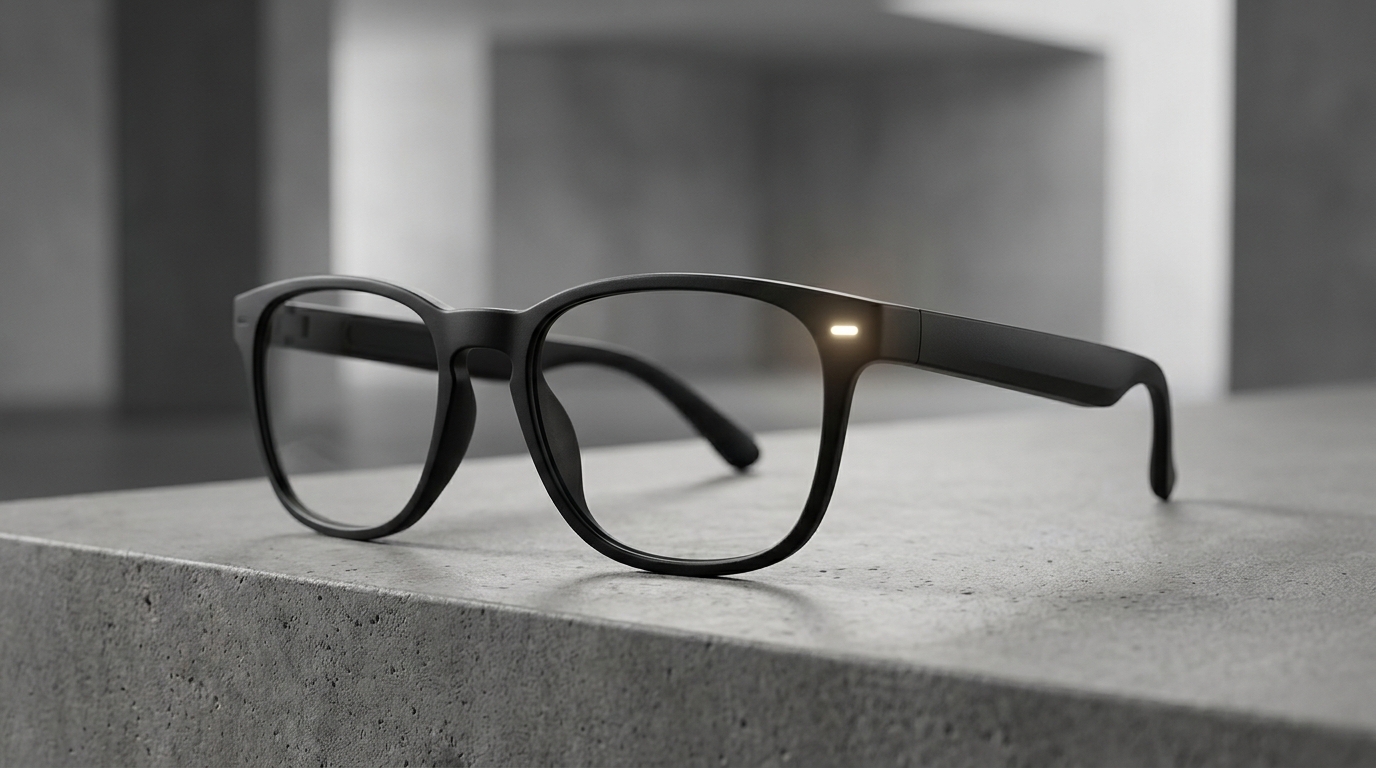
The smart glasses arena has long been plagued by a fundamental misunderstanding of mass consumer desire. For years, the prevailing narrative pushed grandiose, immersive visions, aiming to plaster digital overlays across our entire field of view. Yet, a clear market signal indicates otherwise: the mass consumer simply does not want screens plastered across their face, nor do they want a recording device strapped to their head. The industry is witnessing a silent, yet decisive, correction.
Meta, in its own peculiar way, achieved a kind of silent victory with its Ray-Ban AI glasses, based on a pragmatic understanding that pervasive intelligence, not immersive isolation, was the path to our faces. This strategy, as we have argued before, initially aimed for discretion, not distraction. However, this discretion proved to be a fragile facade, undone by the very camera integral to its design.
Recent events have exposed the inherent flaw in Meta's camera-first approach. The company's Ray-Ban Meta smart glasses are now embroiled in a severe public relations crisis. A critical bug, as reported by Ars Technica, caused some devices to record ambient audio without user consent or the explicit 'Hey, Meta' activation phrase. This was not merely a technical glitch; it was a potent reminder of the deep privacy fears surrounding always-on wearable cameras.
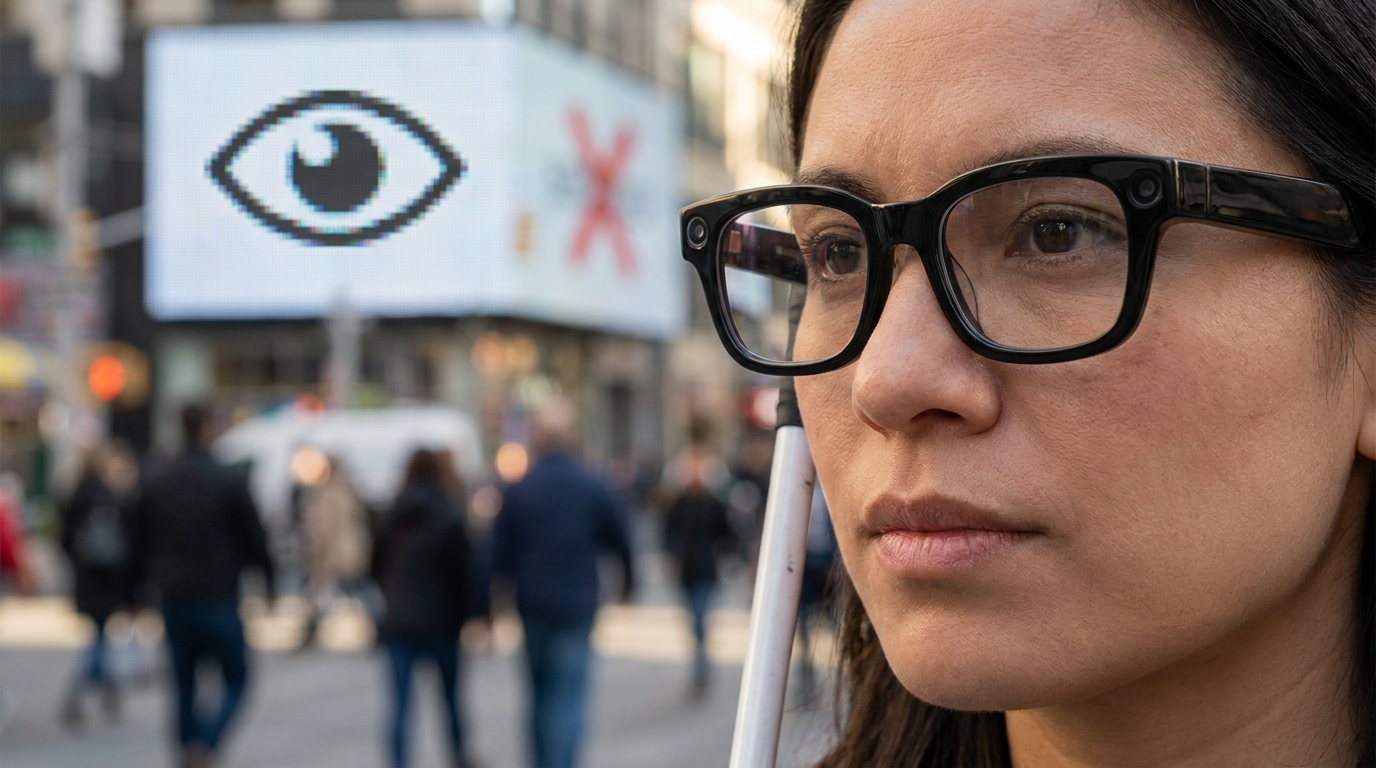
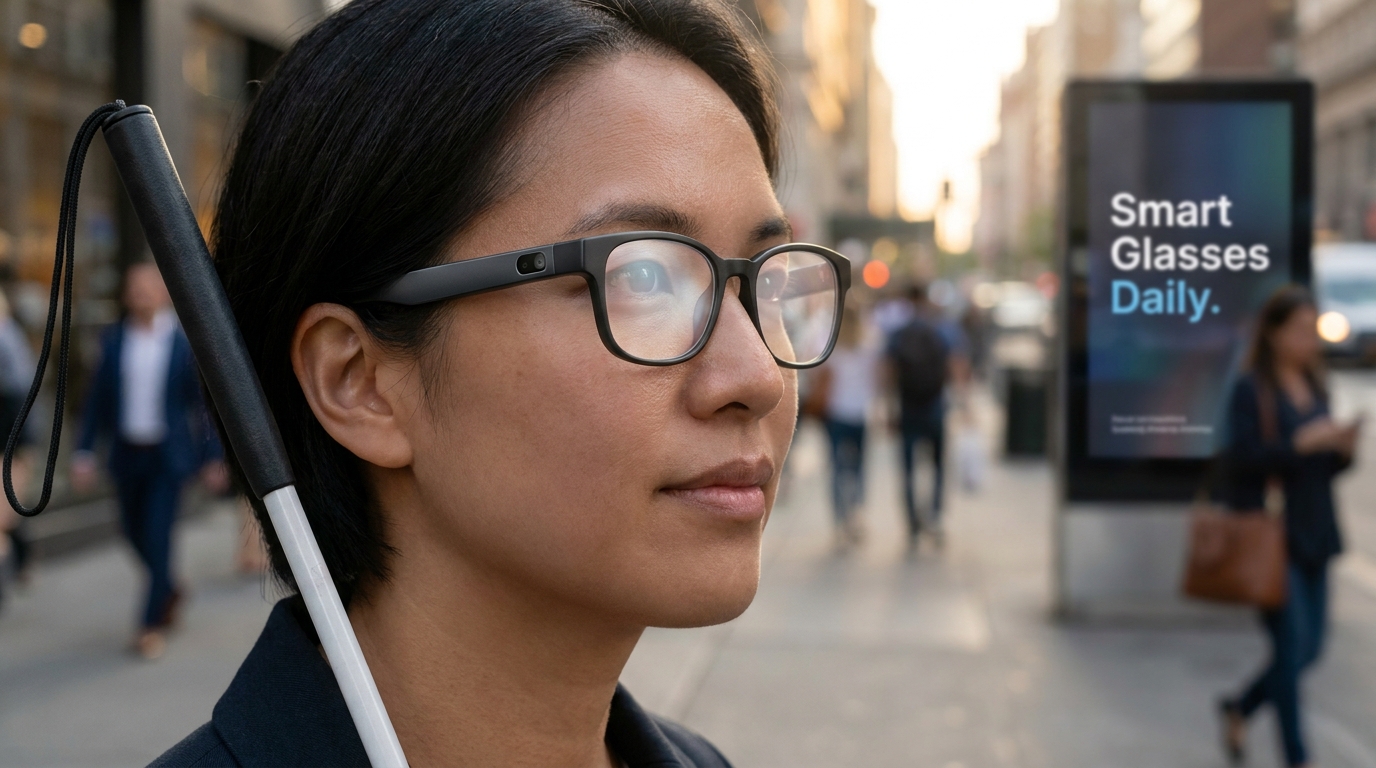
The fallout has been swift and severe. The Dutch consumer organization Consumentenbond has filed a lawsuit against Meta, demanding adaptations to prevent privacy breaches, even pushing for a sales ban in the Netherlands. More tragically, the public backlash has created a harmful social stigma, with visually-impaired users like Fraser Fleming, who rely on Meta's AI glasses for crucial independence, unfairly subjected to the label of 'pervert glasses,' as highlighted by BBC News.
This 'pervert glasses' stigma, fueled by reports of surreptitious filming and harassment, is a fatal blow to the social acceptability of any visible, camera-equipped eyewear. It reveals that no amount of 'subtlety' can overcome the deep-seated public distrust of always-on recording devices. Even Meta's latest 'Audio Glasses,' while emphasizing sound and AI, still carry a camera, ensuring they remain susceptible to the same criticisms.
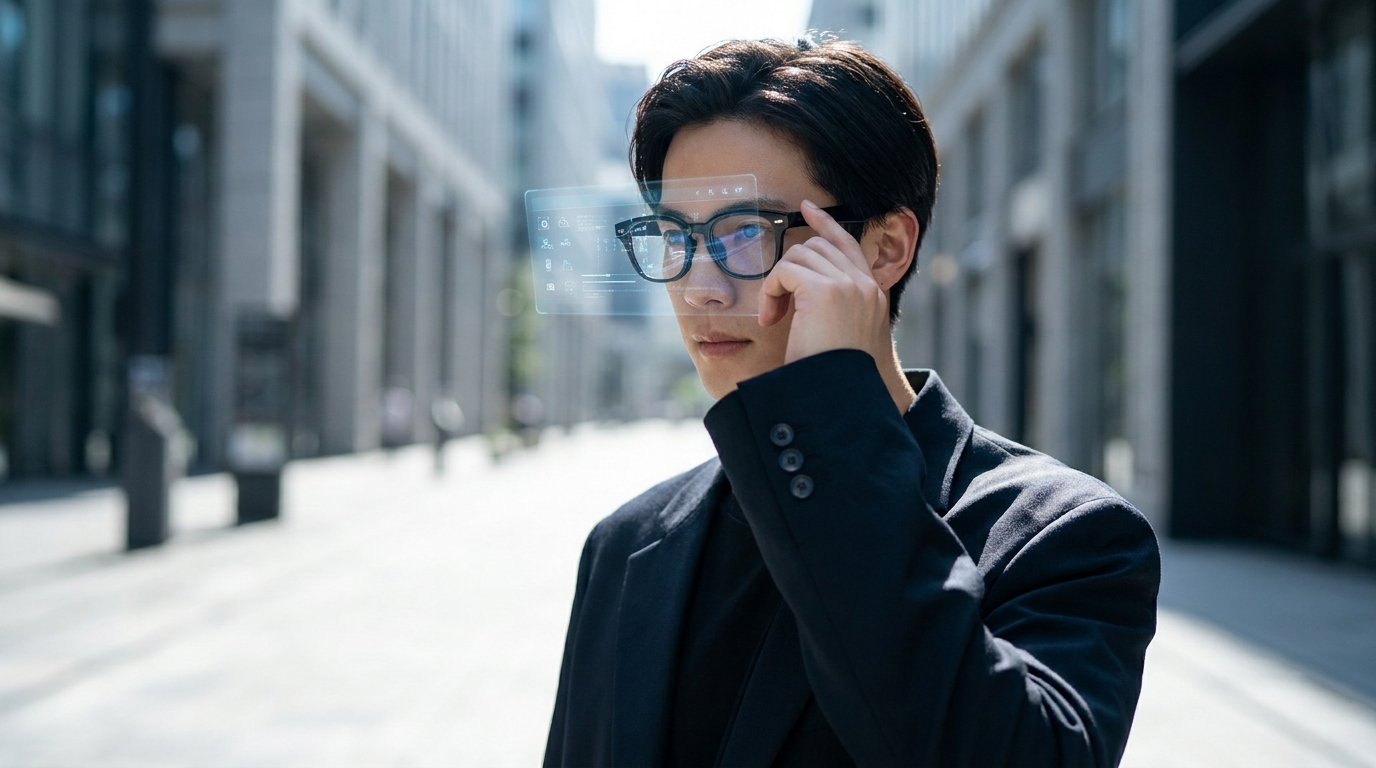
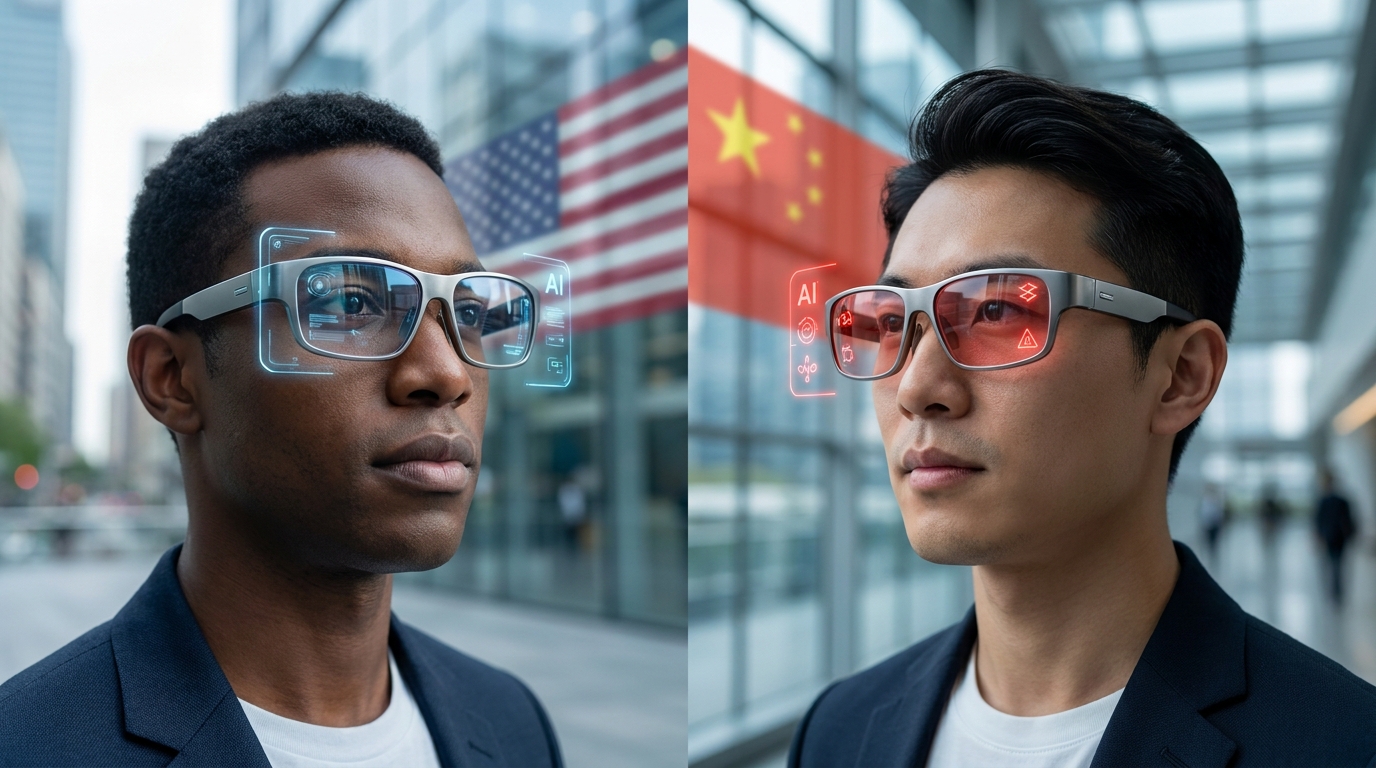
While Meta struggles with the consequences of its camera dependency, and Alibaba's Qwen N1 doubles down on high-megapixel cameras for the Chinese market, a different, more promising trend is emerging in the West. This is the quiet comeback of truly HUD-only glasses, exemplified by innovators like Even Realities and Brilliant Labs. These devices prioritize intelligent assistance and information delivery without the privacy threat or social baggage of a recording camera.
These are the true 'ghosts in the peripheral,' delivering information at a glance without obstructing vision or, critically, recording the world around the user. Their design philosophy is elegantly simple: provide critical, contextual intelligence directly to the wearer, and only to the wearer. This approach respects privacy by design, eschewing the very feature that has become a liability for others.
The core appeal of HUD-only glasses is undeniable. They offer pervasive intelligence, whether it is navigation cues, subtle notifications, or real-time AI insights, all without the cumbersome display of Apple Vision Pro or the intrusive camera of Ray-Ban Meta. Consumers do not want a recording device on their face; they want intelligent assistance, discreetly delivered.
This shift is not a retreat from the promise of smart glasses; it is a refinement, a maturation of the category. It is about delivering the transformative power of AI directly to our visual field without the visual burden or, more importantly, the pervasive privacy threat. The market is correcting course, realizing that less screen and no camera is truly more.
Companies fixated on high-fidelity AR displays or recording capabilities will continue to fight an uphill battle for mass adoption. The social contract for wearables demands discretion above all else. The path to truly winning the future lies not in more megapixels or grander immersive visions, but in the intelligent, invisible assistance of HUD-only experiences.
The silent comeback of Even Realities and Brilliant Labs, and other developers embracing truly HUD-only approaches, signals a crucial turning point. They represent the genuine path to mass adoption in the West, a triumph of subtle assistance over intrusive immersion. The face is a prize, but it will only be won by those who truly respect the individual's space and privacy.
This is not merely a niche; it is the understated future for general consumer smart glasses. As the privacy and social challenges of camera-centric eyewear intensify, the elegant simplicity and inherent discretion of HUD-only glasses will prove to be the undisputed champions of our digital periphery.
Interactive guide — prices, displays, cameras, battery.
Share this story