Analysis · —
The Ghost in the Peripheral: Why HUD-Only Glasses are Quietly Winning the Face
As camera-centric smart glasses face a privacy meltdown and social scorn, a more discreet, non-recording form of eyewear is making an undeniable comeback.

The smart glasses industry often fixes its gaze on grand, immersive visions, yet it frequently overlooks the true pulse of consumer desire. While many clamor for more megapixels or expansive AR displays, the market is quietly, yet decisively, correcting course. The future of mass-market eyewear is proving to be less about recording the world and more about intelligently assisting the wearer, ushering in the silent comeback of HUD-only glasses.
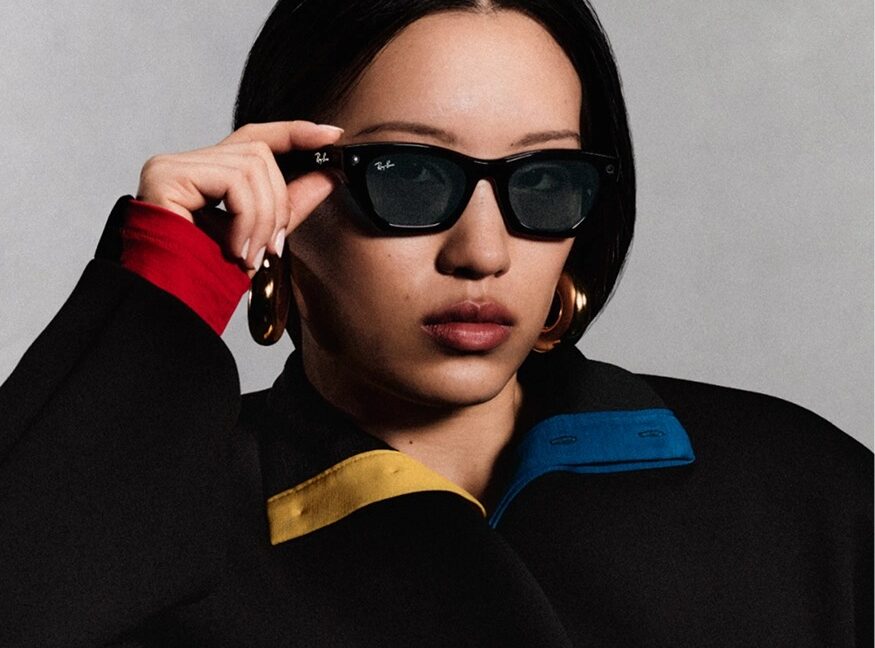
Meta's Ray-Ban AI glasses, once positioned as a paragon of subtle integration, are currently embroiled in a severe public relations crisis. Reports of devices recording ambient audio without explicit consent, as highlighted by Ars Technica, have severely eroded user trust. This critical bug was not just a technical glitch; it was a potent reminder of the inherent privacy vulnerabilities in always-on recording hardware.
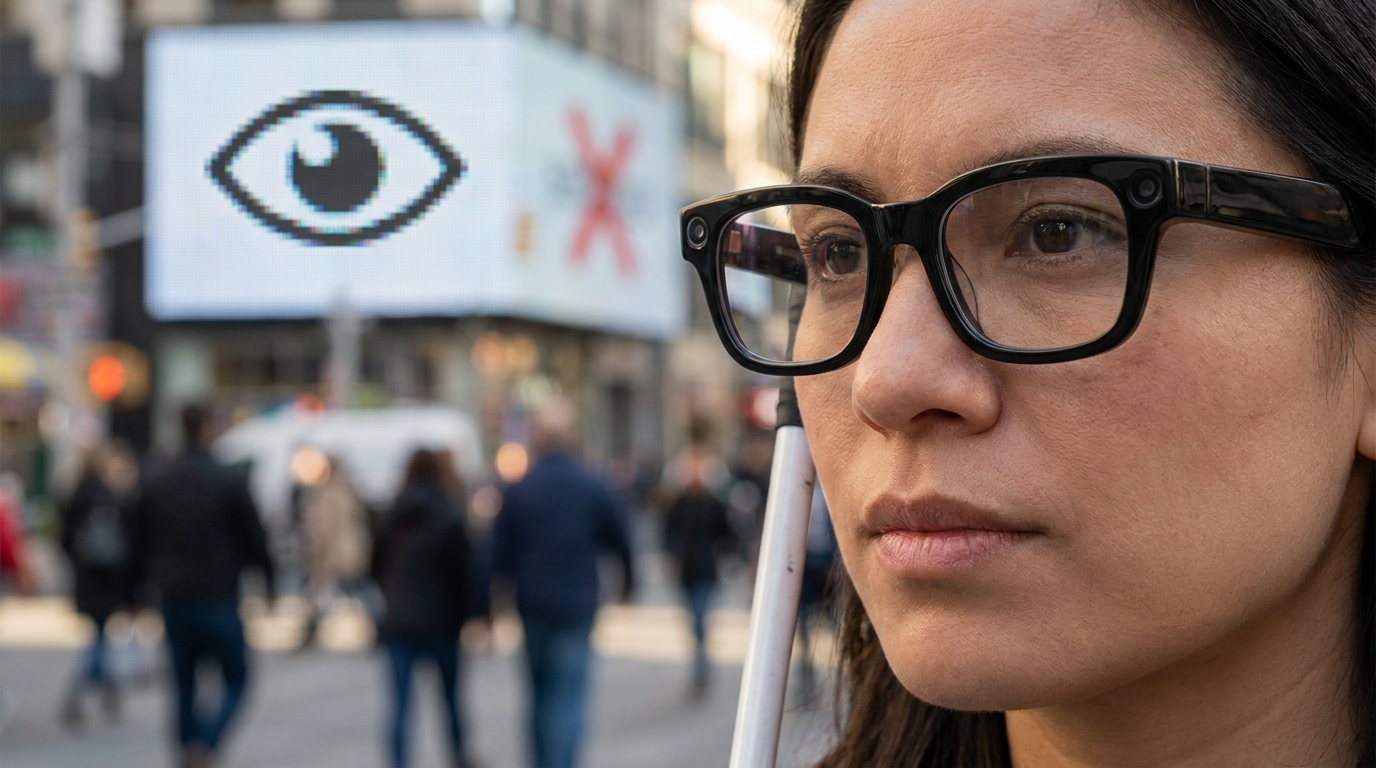
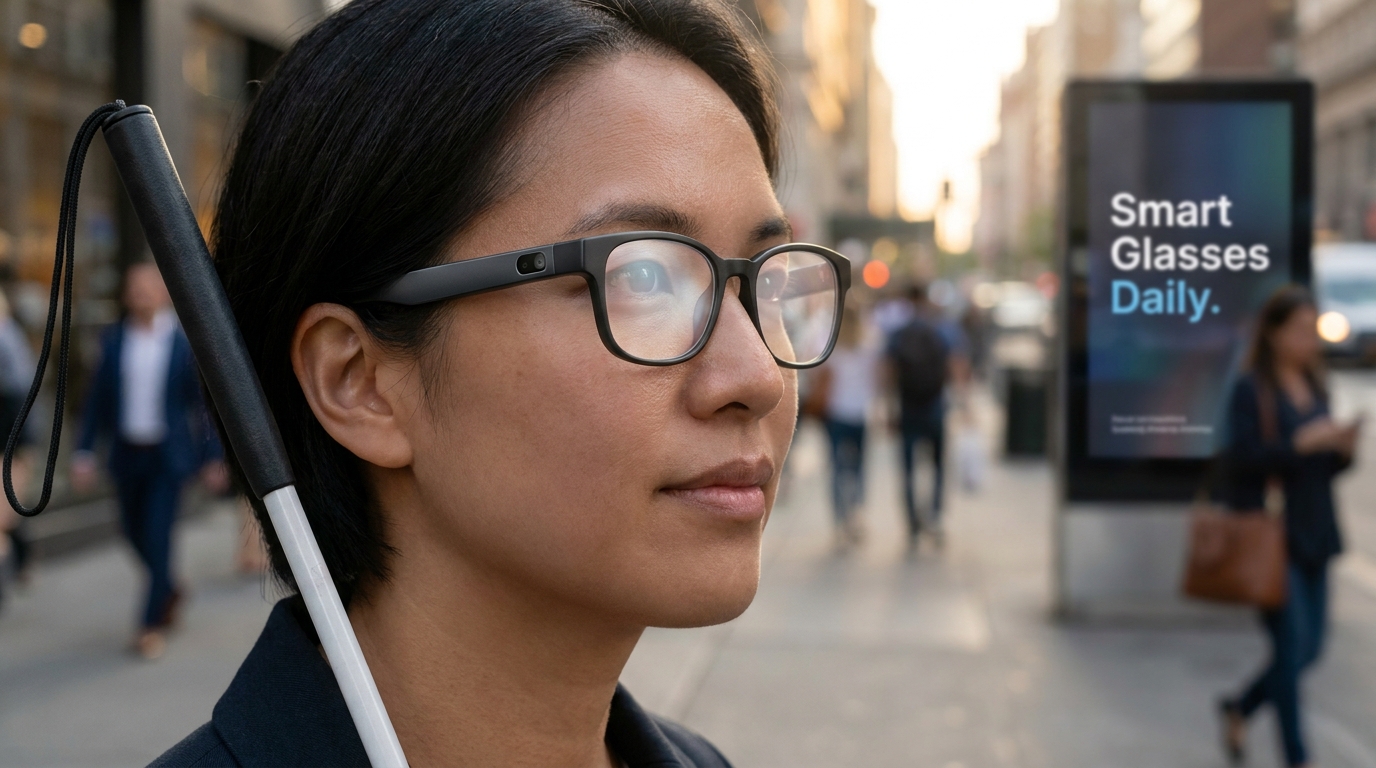
The societal backlash extends beyond technical flaws to deeply ingrained social anxieties. BBC News reported on the distressing phenomenon of smart glasses being labeled 'pervert glasses,' a stigma that unfairly burdens all users, including those like Fraser Fleming, who rely on Meta's AI for essential daily independence. This public perception proves that the promise of 'pervasive intelligence' quickly falters under the shadow of 'pervasive surveillance.'
The legal ramifications are also escalating. The Dutch consumer organization Consumentenbond has initiated a lawsuit against Meta, demanding fundamental privacy-protective changes to its camera-equipped glasses, or facing a potential sales ban. Such actions by regulators underscore a growing global unease with recording devices on faces, signaling a systemic challenge to the industry's current trajectory.
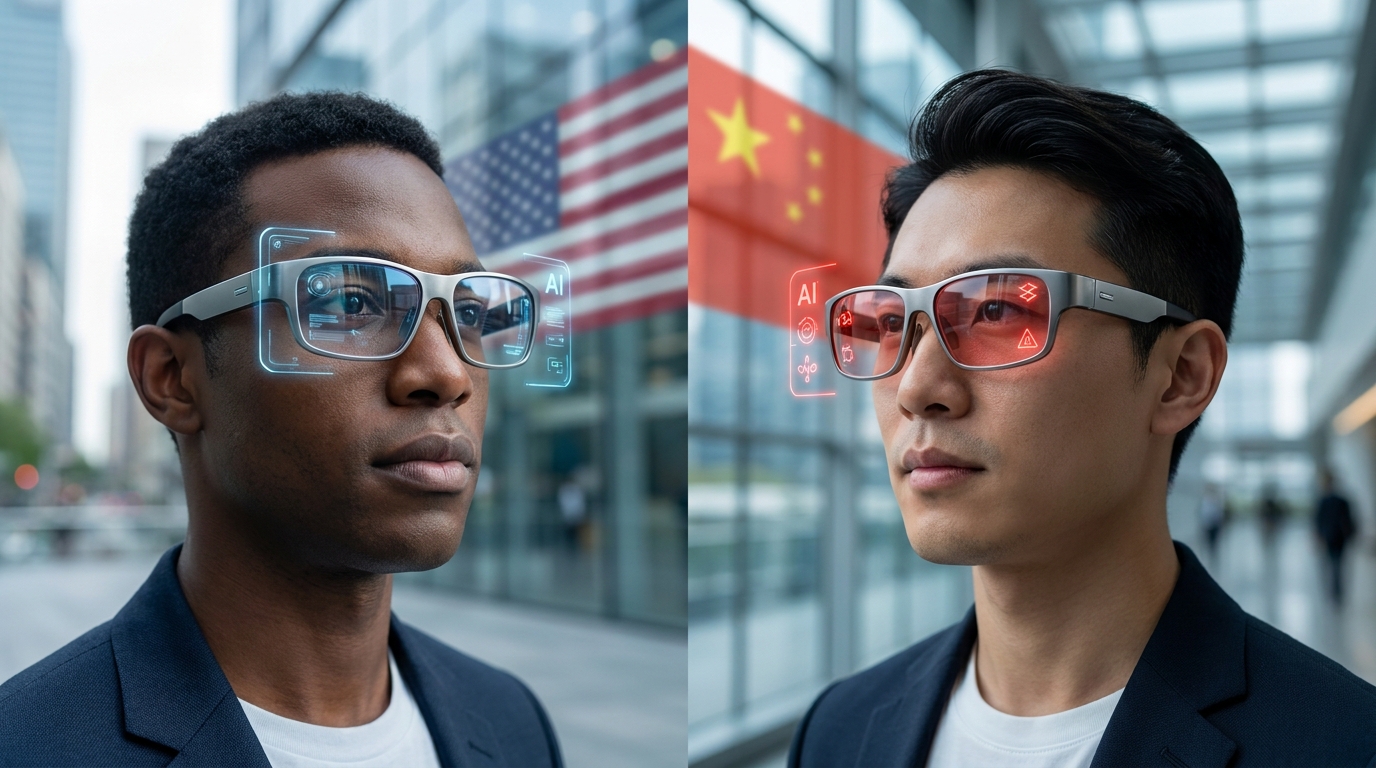
Ironically, Meta's own internal strategy, as we have previously dissected, champions discretion and 'pervasive intelligence, not immersive isolation.' Yet, their flagship Ray-Ban Meta glasses, with a 12-megapixel camera, and competitors like Alibaba's Qwen N1 pushing to a staggering 50-megapixels, actively contradict this ethos. Even the compelling 'MA VIE WORLD TOUR' documentary starring Doja Cat, filmed predominantly on Ray-Ban Meta glasses, paradoxically emphasizes the very recording capability now under scrutiny.
The mass market has made its preferences unequivocally clear: it does not want screens plastered across its face, nor does it want its every interaction potentially recorded or misconstrued. This potent cocktail of privacy fears, social stigma, and legal challenges creates a significant vacuum in the smart eyewear landscape. A different kind of device is urgently needed, one that prioritizes trust above all else.
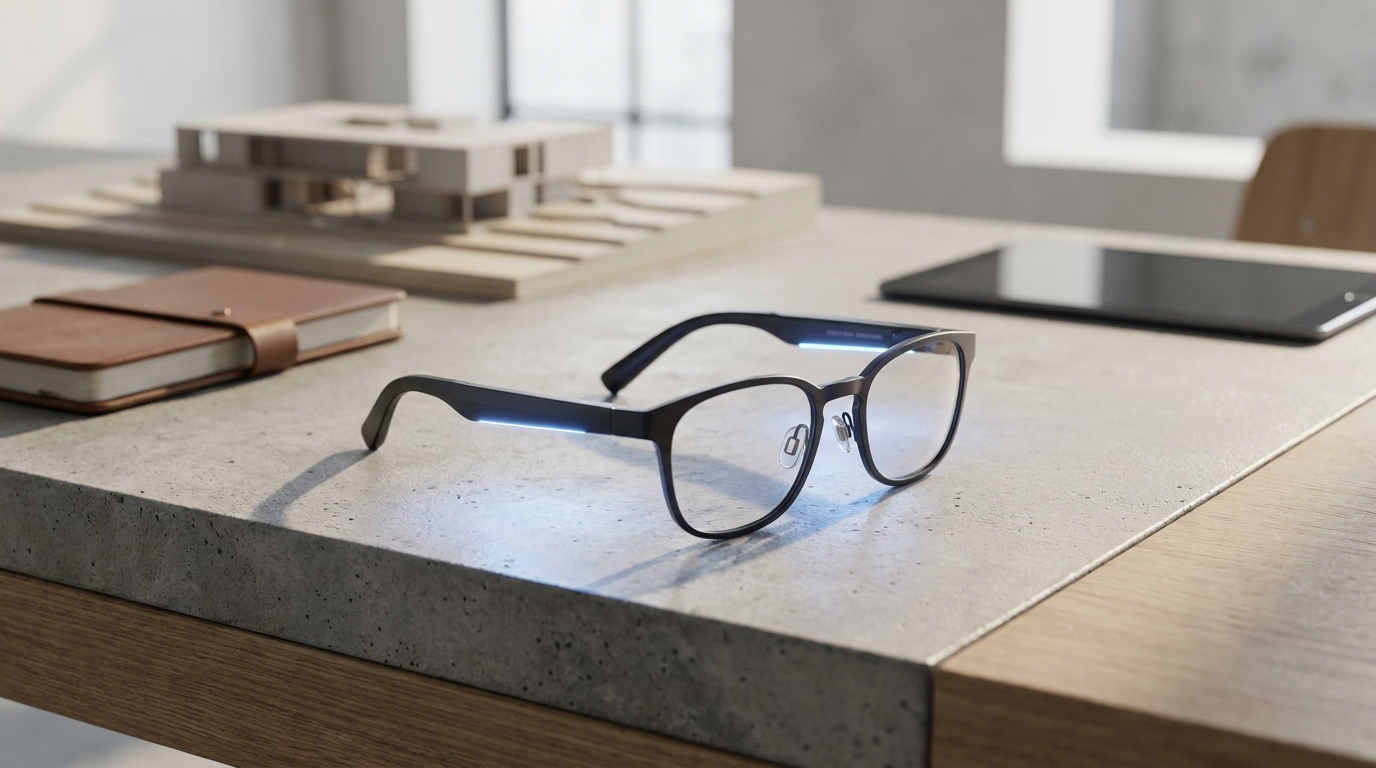
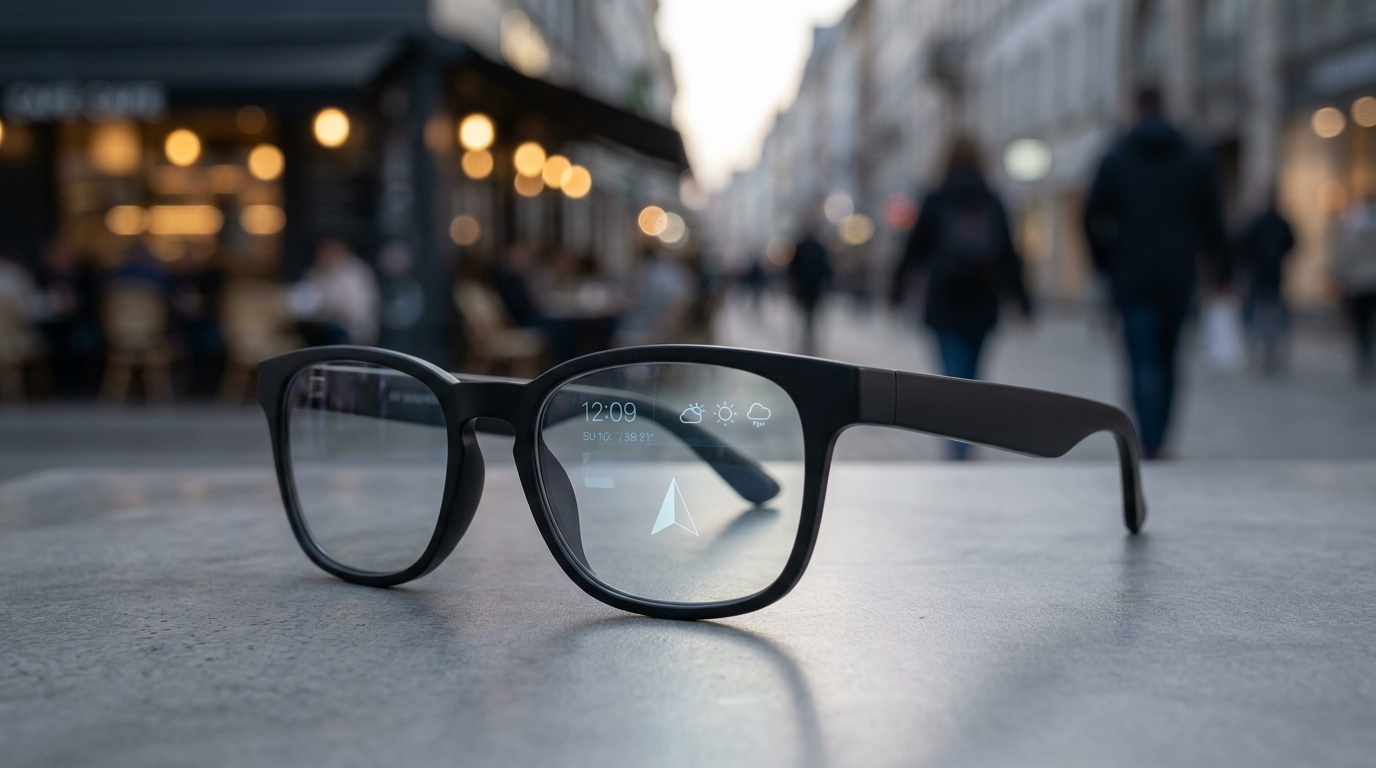
This is precisely where the silent comeback of HUD-only glasses gains its undeniable momentum. Brands like Even Realities and Brilliant Labs are not chasing the camera arms race or the grand visions of full-color AR displays. Instead, they are delivering on the original, unfulfilled promise of truly discreet, AI-first eyewear. Their focus is squarely on subtle, heads-up display elements and contextual intelligence, entirely free of recording apparatus.
These HUD-only devices understand that true integration means being invisible, not just aesthetically, but functionally. They provide timely information, quiet notifications, and invaluable AI assistance, all delivered in a manner that generates zero public suspicion or privacy concern. This is the authentic 'ghost in the peripheral' experience that many users genuinely desire, without the accompanying ethical dilemmas.
The camera-centric approach, while offering undeniable appeal for content creators and niche applications, carries an insurmountable social burden for everyday mass adoption. People are neither prepared nor willing to constantly navigate the complex ethics of being recorded by a stranger's face-mounted device. The discomfort is palpable, and it is proving to be a critical barrier.
The future of mass-market smart glasses is not destined for more megapixels or ever-fancier AR projections, such as the XREAL gaming AR glasses bundled with ASUS's ROG XBOX Ally X20 for specific gaming niches. Instead, it lies in the elegant simplicity and inherent privacy of HUD-only devices. These wearables address the fundamental friction points that Meta's camera glasses have spectacularly failed to overcome for widespread acceptance.
By stripping away controversial recording capabilities, HUD-only glasses offer an inherently privacy-by-design solution. They effectively fulfill the growing need for always-on AI assistance without simultaneously demanding a level of public trust that camera-heavy models have so thoroughly and repeatedly eroded. This design philosophy is a critical differentiator.
The real 'silent victory' that many observers once attributed to Meta's *strategy* of pervasive intelligence is now being claimed by a new, more responsible wave of products. The market is undergoing a necessary correction, demonstrating that HUD-only glasses represent the true mass market play. They are quietly conquering our faces by fundamentally respecting our boundaries.
The industry's unwavering fixation on cameras and immersive displays has largely been a costly and misguided detour. As the ongoing Ray-Ban Meta debacle powerfully illustrates, privacy anxieties are a terminal disease for any mass-market wearable. The silent comeback of HUD-only glasses is not merely a fleeting trend; it is the inevitable evolution of intelligent eyewear that genuinely earns its place on our faces.
Interactive guide — prices, displays, cameras, battery.
Share this story