Analysis · Meta
Meta's Face Game: Why Ray-Ban Beats Vision Pro's Grand Illusions
While Apple chases immersive AR, Meta's subtle AI eyewear is quietly conquering the mass market. Its Ray-Ban strategy, despite privacy stumbles, proves discretion, not distraction, is the path to our faces.

The smart glasses arena is not a fair fight between equally matched titans. It is a strategic contest between two fundamentally different philosophies, and Meta's Ray-Ban approach is demonstrably outmaneuvering Apple's Vision Pro. While one company fixates on grand, immersive visions, the other understands the true pulse of consumer desire: pervasive intelligence, not immersive isolation.
Meta, in its own peculiar way, achieved a silent victory with its Ray-Ban AI glasses. This triumph stems from a pragmatic understanding, the mass consumer simply does not want screens plastered across their face. The industry's fixation on high-fidelity AR displays, a path exemplified by devices like the Apple Vision Pro, has consistently missed the point of true mass adoption.
The market is quietly, yet decisively, correcting course. As we have argued before, the future of mass-market eyewear is less about recording the world and more about intelligently assisting the wearer. This fundamental realignment underscores discretion as a dominant factor in consumer preference, a factor where Apple's bulky, high-friction headset cannot compete.
However, Meta's path is not without significant turbulence. Reports from Ars Technica confirmed a bug in Ray-Ban Meta smart glasses that led to audio recordings without user consent or the 'Hey, Meta' prompt. This incident, now reportedly fixed, directly addresses one of the most critical privacy fears surrounding always-on wearable technology and provoked a lawsuit from the Dutch consumer organization Consumentenbond.
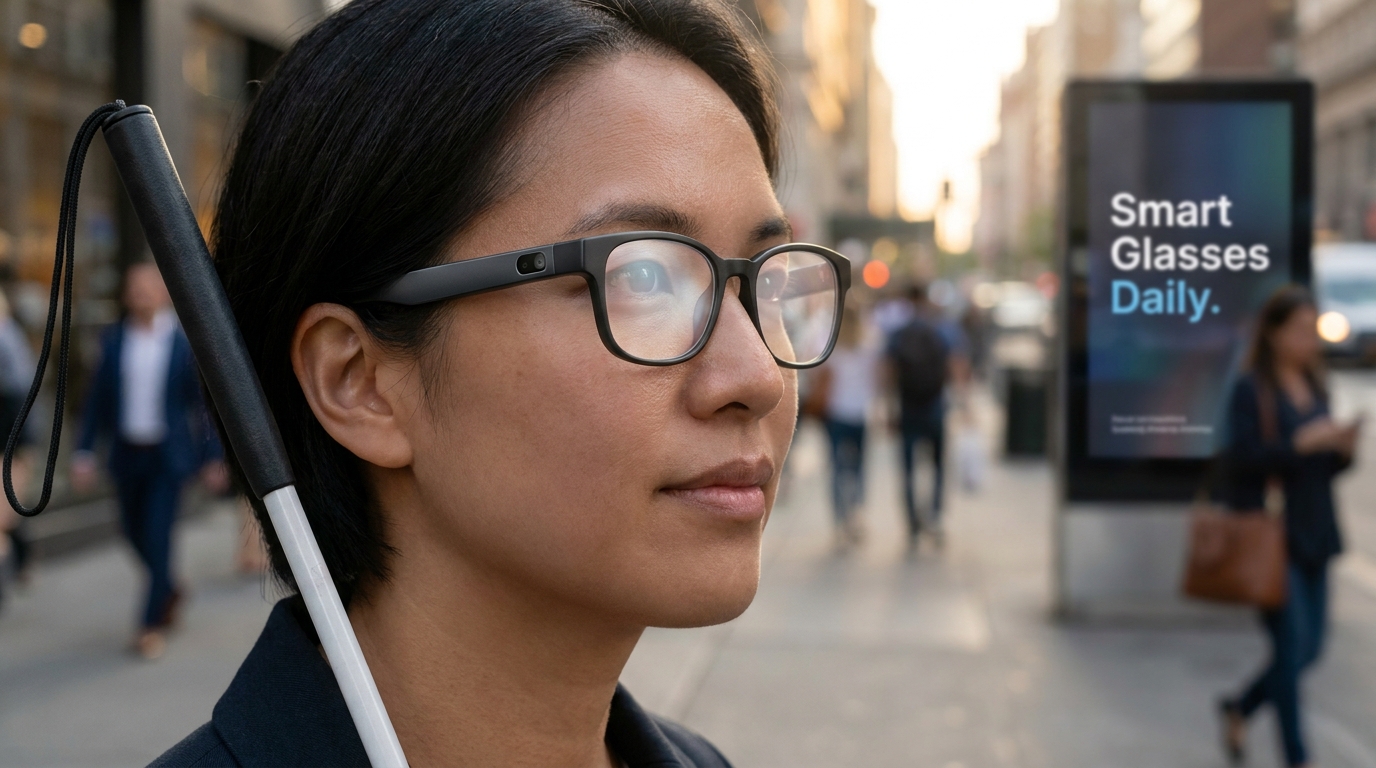
The privacy backlash extends beyond technical glitches, creating a damaging social stigma. BBC News highlighted visually-impaired users, like Fraser Fleming, who rely on Meta's glasses for independence, yet face public labels like 'pervert glasses.' This unfair perception, fueled by reports of surreptitious filming, impacts all smart glasses users and underscores public apprehension.
This 'pervert glasses' label, while damaging, paradoxically reinforces Meta's core strategic advantage. It emphasizes that public scrutiny over recording devices pushes consumers towards less conspicuous technology. The silent comeback of HUD-only glasses, prioritizing assistance over intrusive capture, is a direct response to this widespread distrust and a win for discretion.
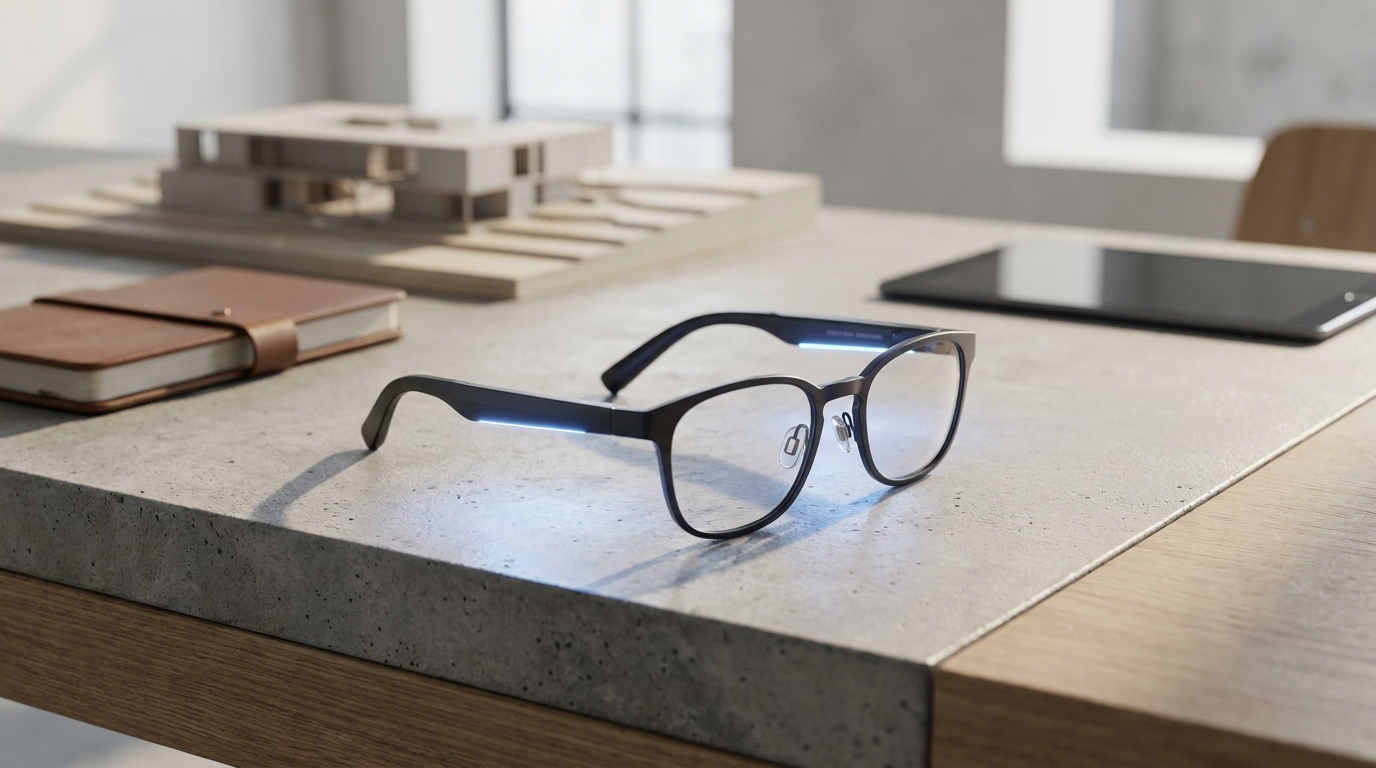
Meta's product evolution continues to prioritize user experience and discretion, even as it navigates privacy concerns. The new Ray-Ban Meta Audio glasses, landing this week, focus on enhanced comfort, lighter design, and significantly extended battery life. Meta Blog details how open-ear speakers deliver high-quality sound for music, calls, and Meta AI interaction, combining the power of earbuds and AI in a wearable form factor.
The fashion integration, through its partnership with EssilorLuxottica, provides over 100 different style options. This focus on aesthetic acceptability and all-day wearability is crucial for mass adoption, a stark contrast to the clunky, isolating design of most AR headsets. Meta understands that looking good and feeling comfortable are prerequisites for face-worn tech.
While the Ray-Ban Meta glasses do feature a camera, its role in mass appeal is proving to be specialized, not foundational. For example, Doja Cat's 'MA VIE WORLD TOUR' documentary, filmed predominantly on Ray-Ban Meta glasses, demonstrates a niche use case for creators seeking first-person perspectives. This is a powerful application, but not the primary driver for everyday consumers.
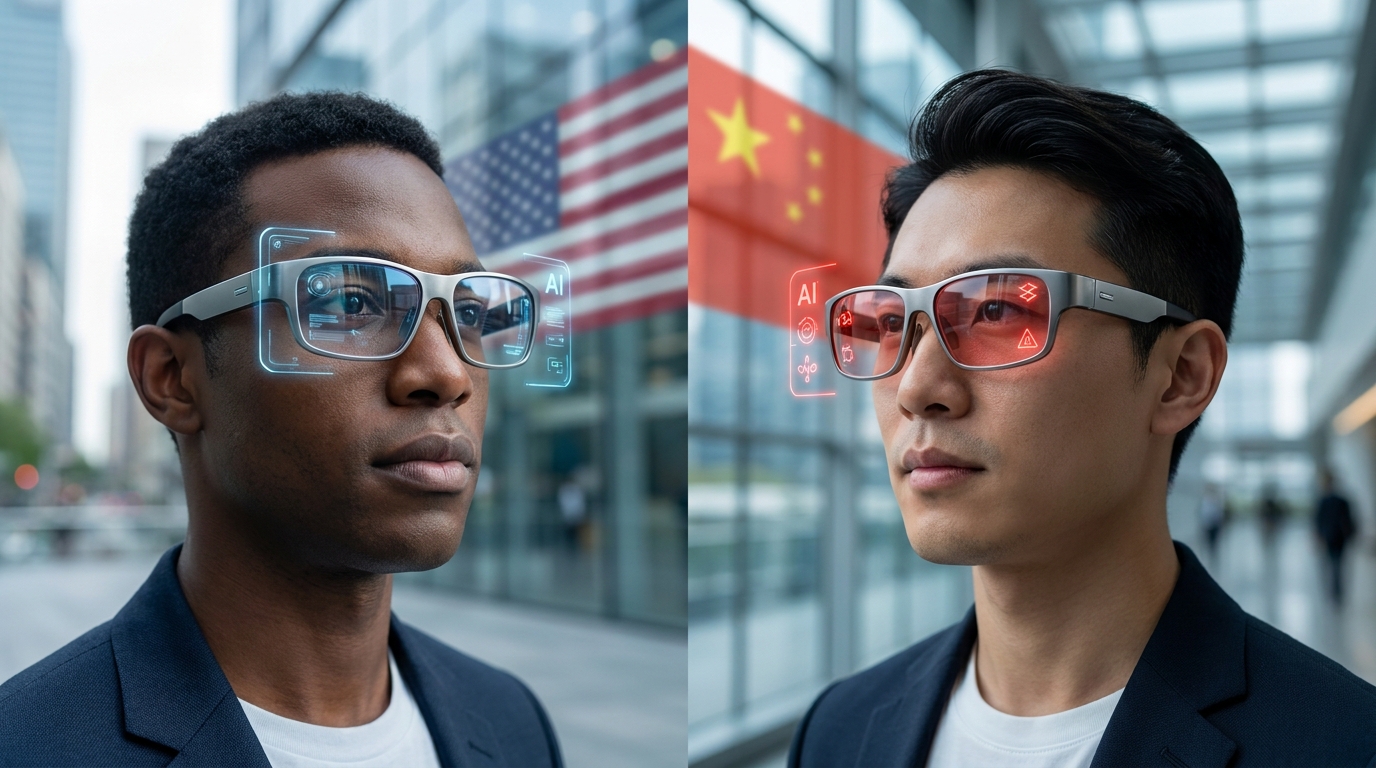
The global tech contest, where USA-led innovation battles China's formidable ambitions, further illuminates Meta's strategy. While Alibaba's Qwen Glasses N1 pushes hardware boundaries with a 50-megapixel camera, Meta's victory is not about raw specs. It is about understanding the human element, the social acceptance, and the pervasive intelligence that will truly win the future.
The year 2026 marks a decisive inflection point for smart glasses. As we have previously argued, Meta's 'silent victory' stems from a pragmatic understanding: the mass consumer does not want screens plastered across their face. Pervasive intelligence, not immersive isolation, is the path to winning the future, a future where less screen is truly more.
Meta's Ray-Ban approach, despite its recent privacy missteps, is fundamentally aligned with consumer reality. It prioritizes integrating intelligence seamlessly into daily life, offering discrete assistance without demanding a complete immersion or inviting social scorn. This is why it is quietly, yet decisively, conquering our faces.
Interactive guide — prices, displays, cameras, battery.
Share this story