Analysis · —
The Future of AI Glasses Isn't a Screen, It's a Subtle Assistant
Forget bulky AR headsets and pocketable monitors. The real mass-market play for AI glasses lies in unobtrusive, display-less devices that augment reality with intelligent audio and context-aware AI, not by replacing your phone's screen.

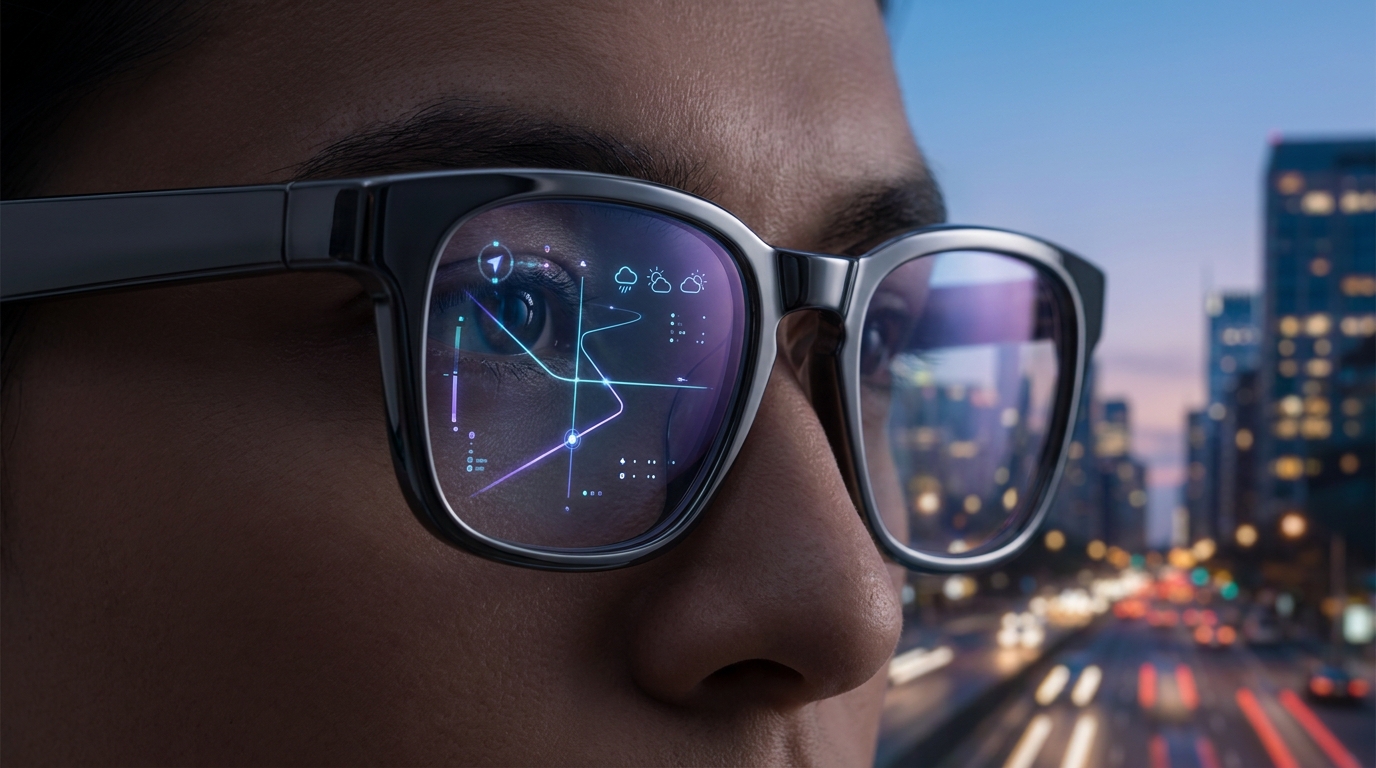
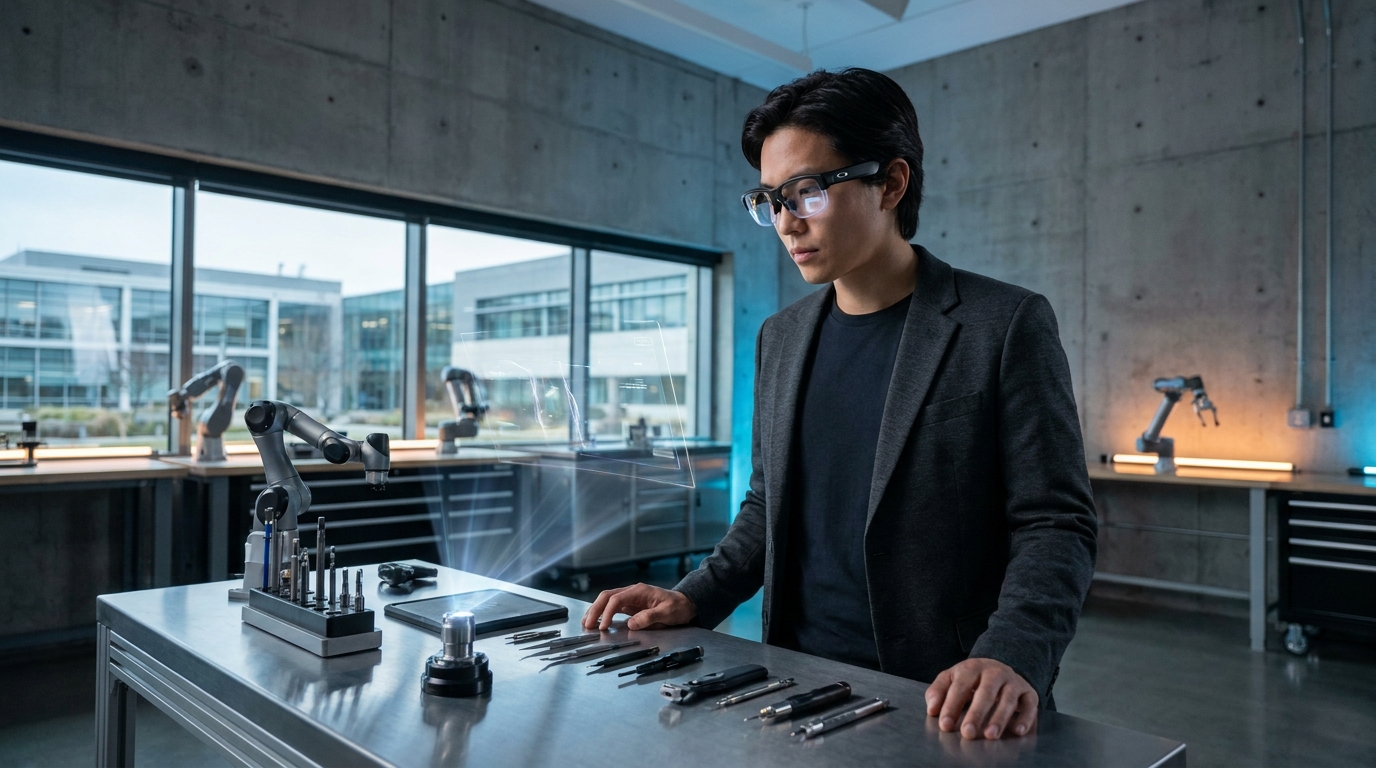
The smart glasses narrative is getting complicated, and frankly, a little ridiculous. At Google I/O, we saw a clear push toward devices with displays, like the upcoming Xreal Project Aura and prototypes from Warby Parker and Gentle Monster, all running Android XR. These aim to bring a full app interface, navigable by hand gestures, into our field of view. This path feels like a rehashing of what smartphones already do, just in a less convenient, more socially awkward form factor. The promise of spatial computing on your face, while technically impressive, continues to miss the point for the average person who just wants helpful intelligence without the spectacle.
Google's own hardware strategy, as detailed by WIRED, seems split. On one hand, they're pushing polished Android XR hardware from major eyewear brands, including full-display AR glasses. On the other, the real power is being woven into the Gemini AI suite, designed for context-aware assistance. This suggests a deeper understanding that the true value isn't in the display, but in the intelligence behind it. The vision for Gemini Glasses, as highlighted by Geeky Gadgets, is about real-time, personalized insights - navigation, dining suggestions, smart home control - all delivered discreetly.
The $2,500 price tag reported for Snap's upcoming AR Spectacles, as detailed by 9to5Google and UploadVR, is a stark indicator of this misdirection. This is not a mass-market device; it's a bleeding-edge gadget for early adopters and enthusiasts. Similarly, devices like the Viture Luma Pro, which function as portable monitors, are interesting niche products. However, their positioning as 'portable monitors,' even with refurbished units slashing prices on eBay per The Verge, still implies a screen-centric experience that competes directly with the devices most people already carry.
The industry's fixation on screen replacement echoes Apple Vision Pro's trajectory. While Vision Pro excels at immersive 3D content like blockbuster movies, as covered by RoadToVR and UploadVR, this is a destination entertainment device, not an everyday wearable. This focus on cinematic experiences and expansive virtual screens, while technically marvelous, diverts attention from a more practical application of smart eyewear: subtle, AI-driven augmentation of our existing reality.
The prevailing vision for smart glasses, as I've argued before, remains fundamentally flawed. We're seeing a relentless pursuit of features that delight in a demo but dissolve into impracticality or social awkwardness in the real world. The core issue persists: most players are building spectacles for superheroes or homebodies, not for everyday humans who simply want unobtrusive, helpful intelligence. The push for visual overlays, as seen in Google's prototypes, is still a step towards overt display, rather than the seamless integration of AI intelligence.
Meta's Ray-Ban smart glasses offer a glimpse into a more viable path. Despite mounting privacy concerns regarding surreptitious recording, as reported by the BBC, these devices are selling well. Their primary function isn't to replace a screen but to offer convenient camera functionality, music control, and hands-free calls - subtle enhancements to the everyday. The privacy backlash is a critical issue that needs addressing, but the sales figures suggest a consumer appetite for smart eyewear that isn't ostentatious or overly complex.
The distinction is crucial: AR glasses that project detailed visual interfaces are one thing, but AI glasses that offer discreet, audio-based assistance are another entirely. Google's Gemini Glasses, aiming for context-aware help leveraging personal data points, represent the latter. Imagine walking down the street and receiving silent, turn-by-turn navigation prompts directly through your glasses' bone conduction audio, or getting a discreet reminder about a restaurant reservation as you approach it. This is intelligence that enhances, rather than distracts.
The hardware from Warby Parker and Gentle Monster, focusing on aesthetics, is key. If smart glasses are to achieve mass adoption, they must look and feel like regular eyewear. The integration of sophisticated AI, like Google's Gemini, into these unobtrusive frames unlocks their true potential. This isn't about carrying a bulky headset or projecting a cinema onto your vision; it's about having an intelligent assistant embedded seamlessly into your daily life, accessible via natural language and subtle cues.
The current focus on visual displays risks alienating the very users these devices are meant to serve. A $2,500 device that aims to replicate smartphone functionality on a micro-display is a hard sell. Meanwhile, a stylish pair of glasses that can discreetly provide directions, translate conversations in real-time, or offer context-aware information through audio is far more compelling for the average consumer.
We need to move beyond the 'wow' factor of AR overlays and towards the 'how' of AI integration. How can these devices make our lives easier, more efficient, and more connected without demanding our constant visual attention? The answer lies in prioritizing the AI experience over the visual interface. This means investing in robust audio processing, contextual awareness, and seamless interaction models.
The roadmap laid out by Google's Android XR initiative, while impressive, must acknowledge the consumer's preference for subtlety. While full-display AR glasses will undoubtedly find a market, they're unlikely to be the mass-market play. The real innovation will come from devices that blend cutting-edge AI with the timeless form factor of everyday eyewear, offering assistance that is both powerful and invisible.
The success of Meta's Ray-Ban smart glasses, despite their limitations and privacy debates, points to a market eager for connected eyewear that doesn't scream 'tech gadget.' The challenge for companies like Google, Snap, and Xreal is to harness the power of AI without getting lost in the pursuit of ever-more-complex visual interfaces. The display-less, AI-first approach is the only realistic path to widespread adoption.
The future of smart glasses is not about augmenting reality with a digital overlay that demands constant attention. It's about augmenting the wearer's intelligence and capabilities with discreet, contextually aware AI delivered through audio and subtle haptics. This is the true mass-market opportunity.
Companies that prioritize aesthetic design and unobtrusive AI integration will win. Those clinging to the idea of glasses as miniature screens or AR projectors risk becoming footnotes in the evolution of wearable technology. The era of the subtle AI assistant is dawning, and it's ready to move beyond the demo.
Interactive guide — prices, displays, cameras, battery.
Share this story