Analysis · —
The End of Waiting: Your Eyewear is Your New Always-On AI OS
The latest hardware from Snap and Meta, paired with powerful silicon, positions smart glasses not as a phone accessory, but as the primary interface for constant, contextual AI.

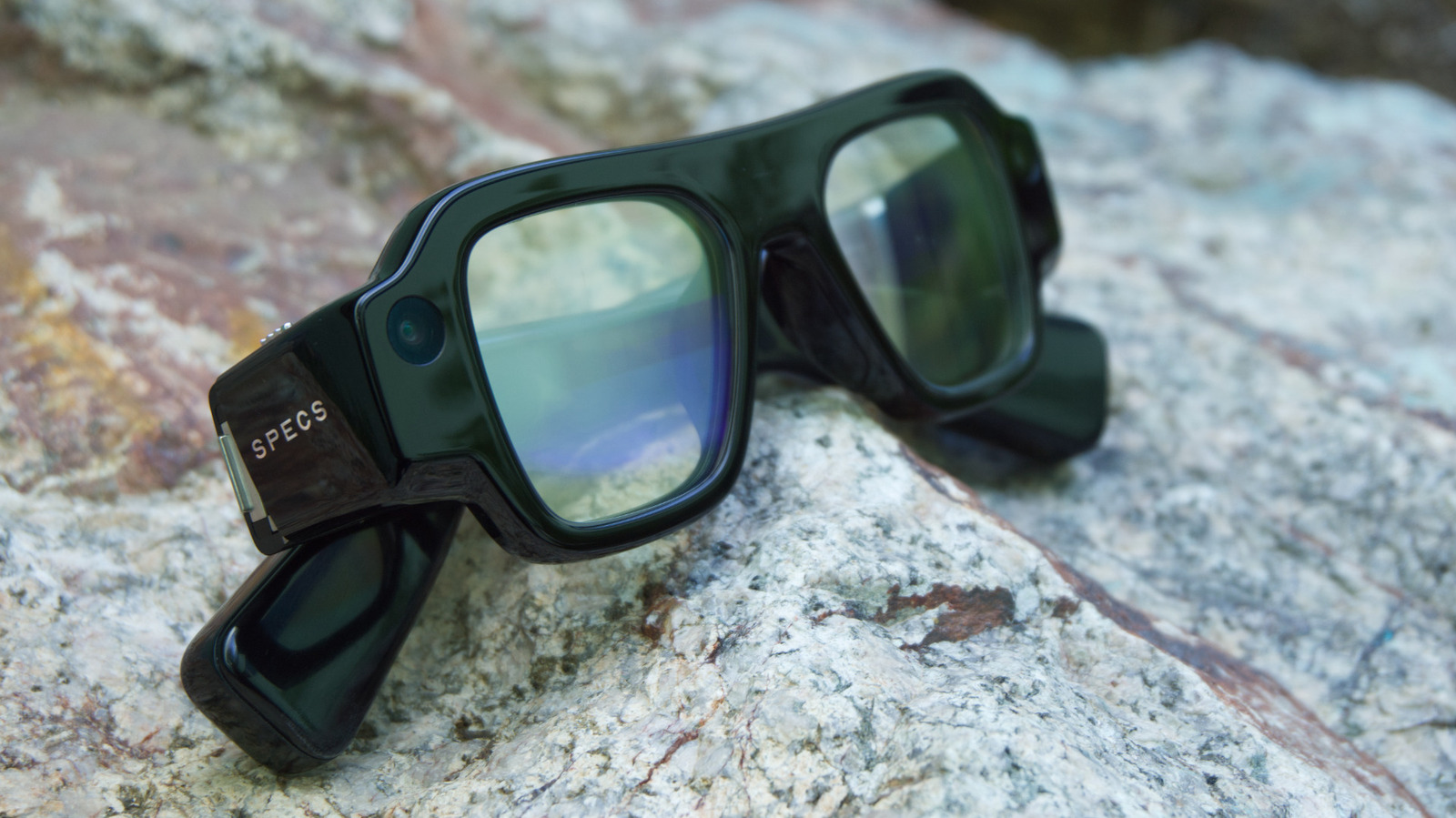
Snap just dropped SPECS, a standalone AR device priced at $2,195, a move that signals a profound shift. This isn't an incremental update to Spectacles; it's Snap betting its future on a post-smartphone paradigm, where eyewear delivers spatial computing without being tethered to a phone or a 'clumsy puck,' as CEO Evan Spiegel put it. While the price point restricts immediate mass adoption, SPECS represents a landmark moment, setting a new benchmark for what true AR glasses can be: a self-sufficient, always-on AI platform.
This ambition is only possible with a new class of silicon, and Qualcomm, with its Snapdragon Reality Elite platform, is ready to power it. The company's announcement ahead of AWE isn't just about faster chips; it's a strategic maneuver to define the performance and efficiency standards for the next generation of premium, untethered AI glasses. This move solidifies Qualcomm's dominance, making it the default choice for any brand aspiring to create powerful AI experiences directly from the face, without compromise.
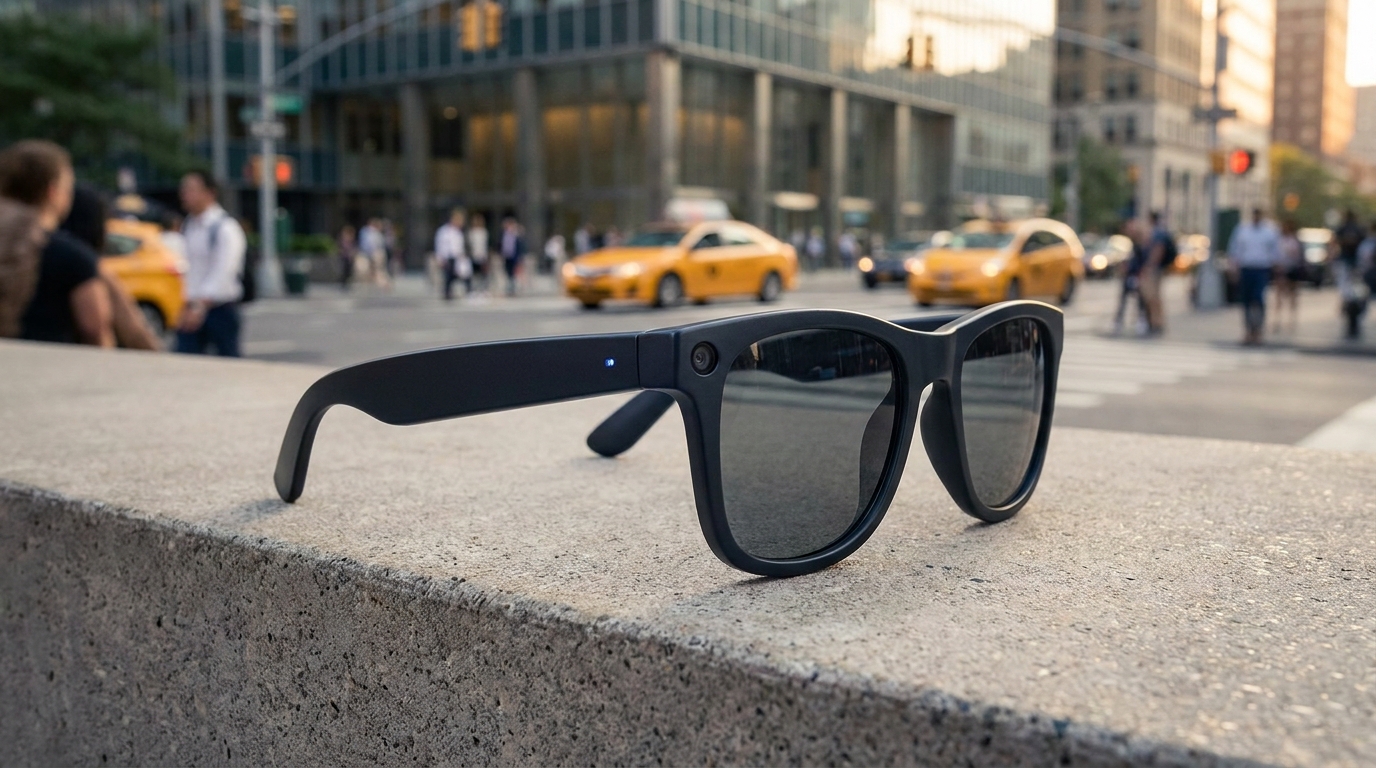
But while Snap chases the high-fidelity AR dream, Meta is quietly, effectively, dominating the mass market with a different approach. Their Ray-Ban smart glasses, fundamentally display-less audio and camera devices with AI capabilities, have seen usage triple and sales push into the millions. This success isn't driven by immersive displays; it's driven by accessible, stylish AI augmentation that avoids the bulk and power drain of full AR, proving that practicality and discretion trump pixels for everyday consumer adoption.
These Meta Ray-Ban glasses, particularly with their recent software enhancements, are evolving into sophisticated always-on AI assistants. Six months post-launch, Meta rolled out a developer toolkit, enabling custom apps, AI-powered productivity, and accessibility solutions. This open approach, combined with features like AI-assisted creation, is transforming these glasses into versatile, personalized AI companions, tightly integrated into users' daily lives without demanding constant visual attention.
The implications extend beyond consumer convenience; Meta is actively deploying these AI glasses to support visually impaired veterans, showcasing their potential as powerful accessibility tools. This initiative underscores the real-world impact of AI-driven visual assistance, offering a new level of independence and interaction. It's a compelling demonstration that the utility of always-on AI in eyewear transcends entertainment or productivity, moving into essential human augmentation.
Even Meta's more ambitious Display Glasses, initially met with skepticism, are salvaging their high-end AR play through significant software updates. The May 2026 patch introduced crucial AR features, Instagram integration, and customizable widgets. This demonstrates that continuous software evolution, even with hardware limitations, can transform a mediocre device into a more appealing AR experience, providing glanceable information and social connectivity.
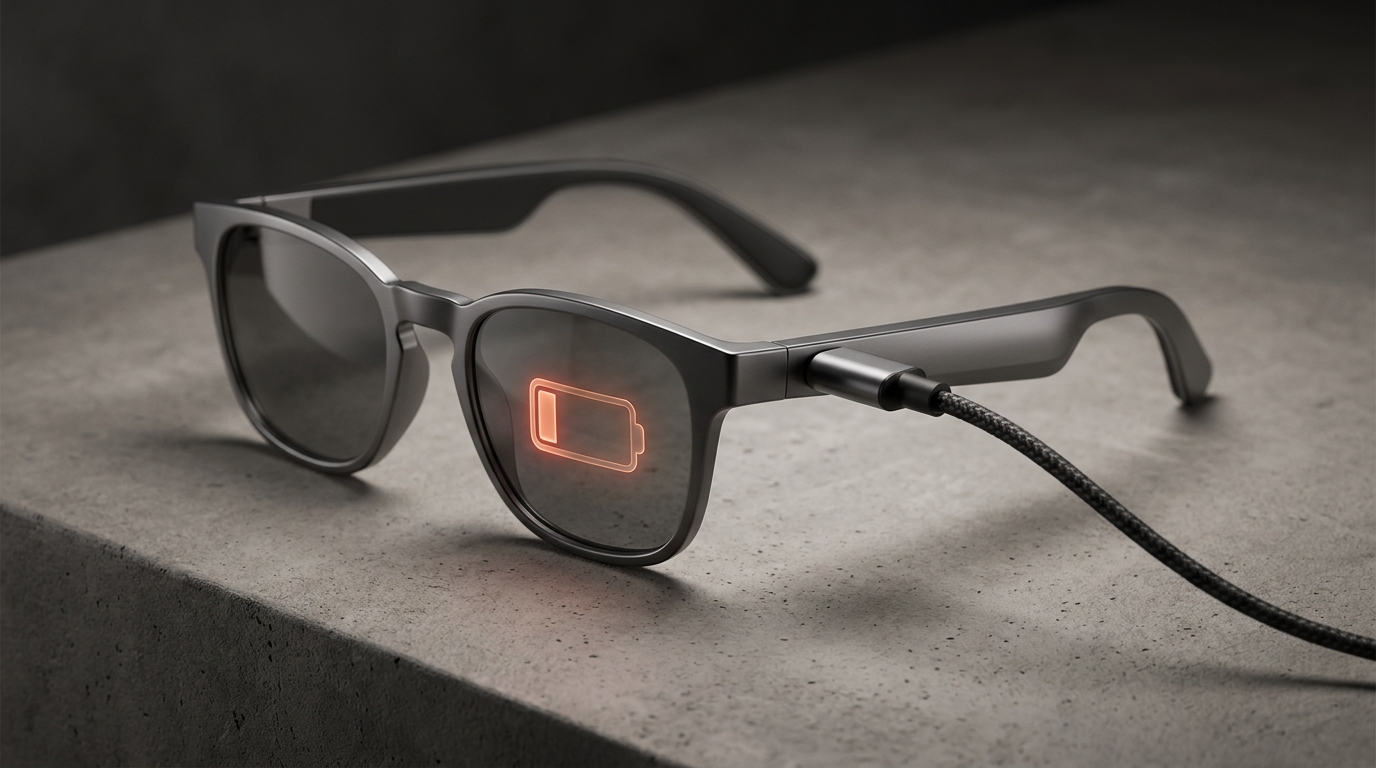
The market is clearly bifurcating. On one side, we have Snap's SPECS pushing the boundaries of true AR, aiming for a post-smartphone future where digital information seamlessly overlays reality. On the other, Meta's Ray-Ban line is setting the standard for discreet, AI-first wearables, prioritizing subtle integration and advanced AI without the weight and battery drain of a full display. Both approaches, however, converge on the idea of an always-on, intelligent wearable companion.
The key takeaway is that an always-on AI assistant in your eyewear is no longer a futuristic concept; it's here, in various forms. Whether it's Snap's ambitious AR vision or Meta's discreet AI companion, the industry is moving aggressively towards head-worn devices as the primary interface for contextual intelligence. This isn't just about taking pictures or getting notifications; it's about a persistent layer of AI augmenting our perception and interaction with the world.
The battle for this 'always-on' future is being fought on multiple fronts. Qualcomm's silicon leadership is vital, providing the horsepower for untethered AI. Companies like Viture are still pushing for brighter displays and enhanced comfort, acknowledging that visual quality remains a crucial factor for many. Yet, the silent revolution of display-less AI glasses suggests that for mass adoption, the intelligence, not the screen, is the true differentiator.
However, this pervasive intelligence raises immediate concerns. Pennsylvania's proposed privacy bill, targeting smart glasses use in public spaces, highlights the inherent tension between constant connectivity and personal privacy. As these devices become omnipresent, the industry must proactively engage with legislative frameworks and consumer expectations to build trust, or face significant regulatory hurdles.
The dedicated Meta Lab sections opening in 50 Best Buy stores across North America are not just retail expansions; they are Meta's strategic move to put these always-on AI devices directly into consumers' hands. This hands-on discovery is crucial for a technology that fundamentally alters user interaction. It's about demystifying the experience and allowing people to understand the practical benefits of an intelligent layer over their everyday lives.
Ultimately, the smart glasses market is confirming a profound shift. What was once a niche gadget is now rapidly evolving into a sophisticated, always-on AI operating system worn directly on the face. Whether a user opts for high-fidelity AR or a discreet AI assistant, the expectation is clear: their glasses will be intelligent, contextual, and deeply integrated into their lives, redefining how we interact with technology and the world around us. This is merely the beginning of the end of waiting for AI assistance; it's now constantly with us, through our eyes.
Interactive guide — prices, displays, cameras, battery.
Share this story