Analysis · -
The Camera Trap: Why HUD-Only Glasses Are Staging a Quiet Comeback
As camera-laden wearables trigger viral privacy backlash and slowing sales, minimalist HUDs are winning the long game. The future of smart eyewear belongs to quiet text, not ambient surveillance.
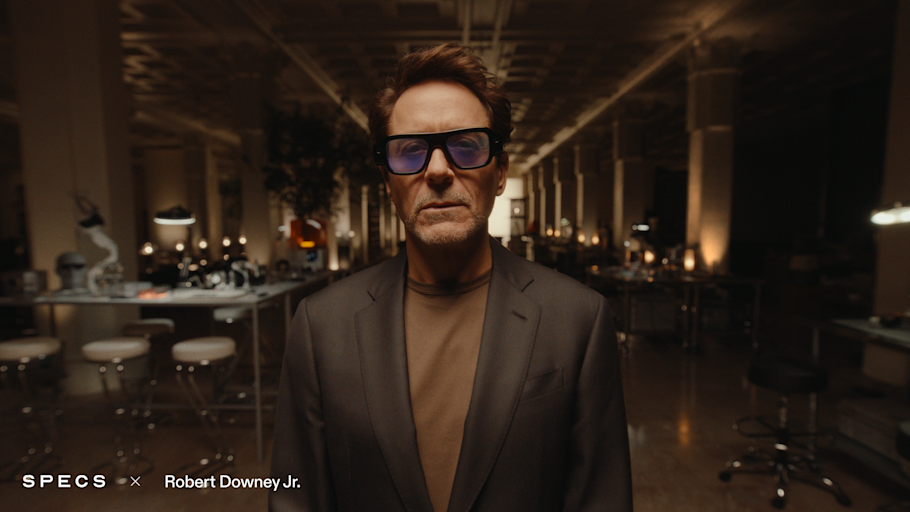
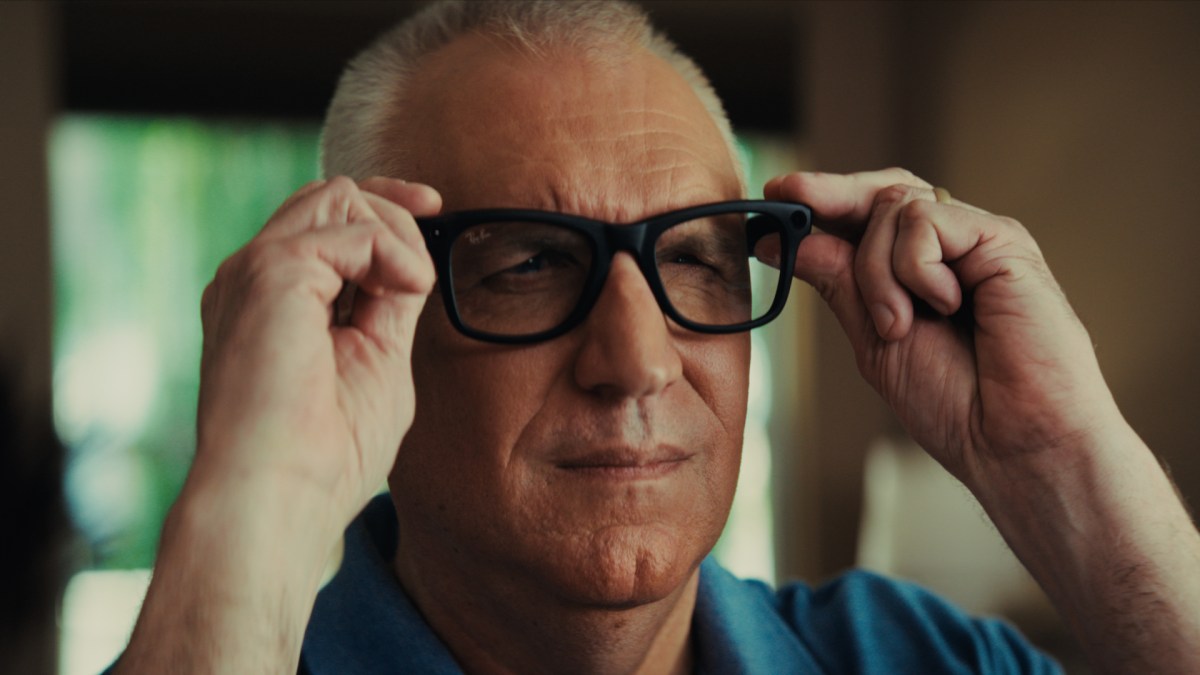
Snap signed Robert Downey Jr. to cosplay Tony Stark for its augmented reality Specs. At the same time, Meta sponsored an expansive historical exhibition at the Computer History Museum to celebrate six decades of spatial headgear. Both tech giants are committed to the same theatrical illusion: that mainstream consumers are clamoring for cinematic, camera-dense face computers. But outside the boardroom and the soundstage, ordinary people are exhausted by the surveillance theater.
Look at EssilorLuxottica's latest quarterly ledger for a glimpse of the real climate. Revenue growth in its wearable hardware division slammed the brakes, plummeting from nearly 100 percent to a modest 20 percent. The initial wave of Ray-Ban Meta novelty has crested, cushioned only by the eyewear titan's legacy business in plain, dumb optical frames. Consumers bought the novelty, tested the social waters, and realized that wearing outward-facing cameras in public is a social minefield.
Nothing illustrates the cultural collapse of camera glasses quite like the Disney song hack. Across TikTok and X, people are advising bystanders to blast copyrighted cartoon tunes whenever someone with smart glasses walks by, hoping automated content filters will kill the unauthorized footage. When citizens resort to copyright law to protect their basic physical privacy, hardware manufacturers have lost the room. The discreet camera that Meta marketed as a design triumph is precisely what makes ordinary bystanders recoil in suspicion.
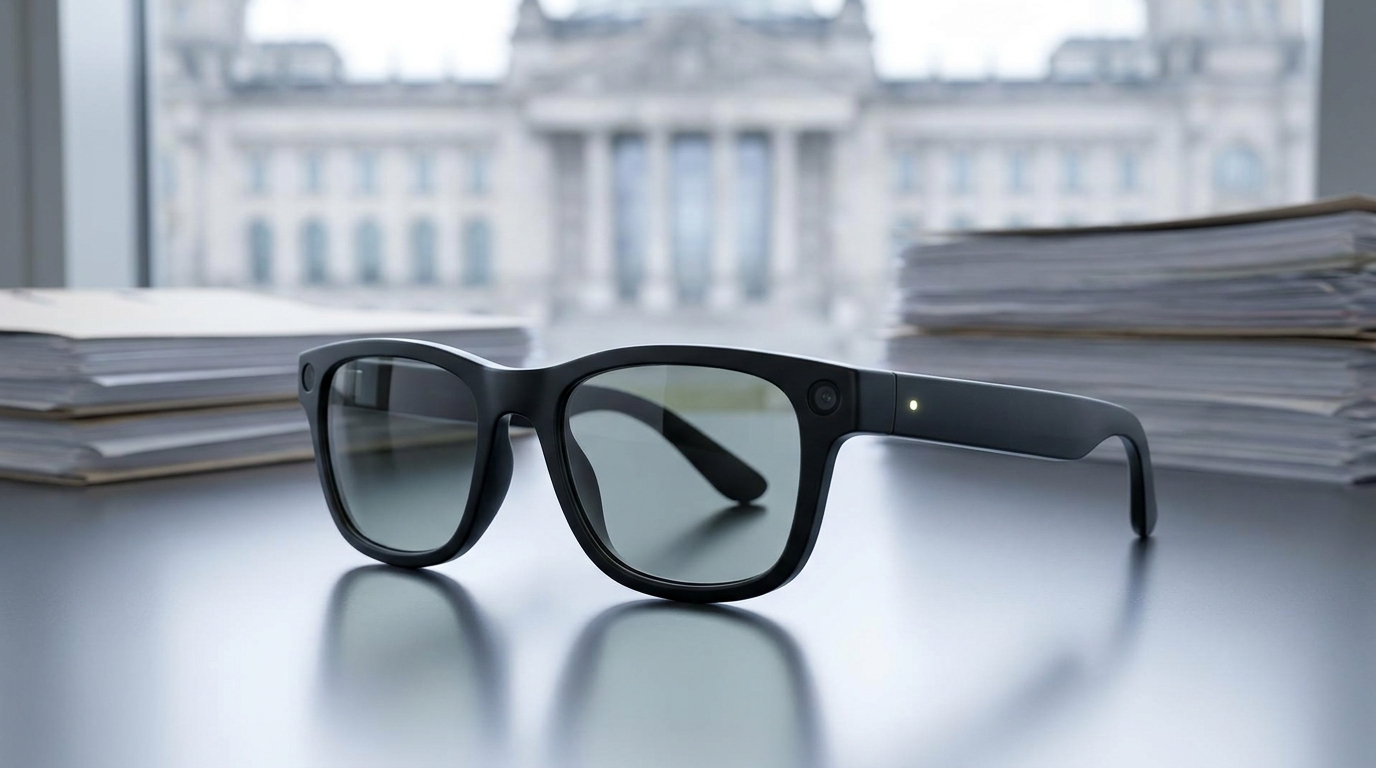
European regulators are now circling EssilorLuxottica over those exact privacy concerns. The world's largest eyewear conglomerate finds its record market valuation halved in part because watchdogs cannot ignore covert recording hardware. An ambient camera nestled in an everyday tortoise-shell frame is not high tech. To public health officials and privacy advocates, it is an unregistered surveillance terminal walking through the streets.
To be fair, outward cameras do have profound, legitimate applications in specialized accessibility settings. Meta's donations to the American Council of the Blind and real-world breakthroughs for low-vision users like Ian Torrie demonstrate the undeniable power of visual AI assistance. When a remote assistant or multimodal model helps a sight-impaired user navigate the world, smart eyewear achieves genuine moral utility. But Silicon Valley has cynically weaponized accessibility as a rhetorical shield to justify putting recording gear on millions of unaffected commuters.
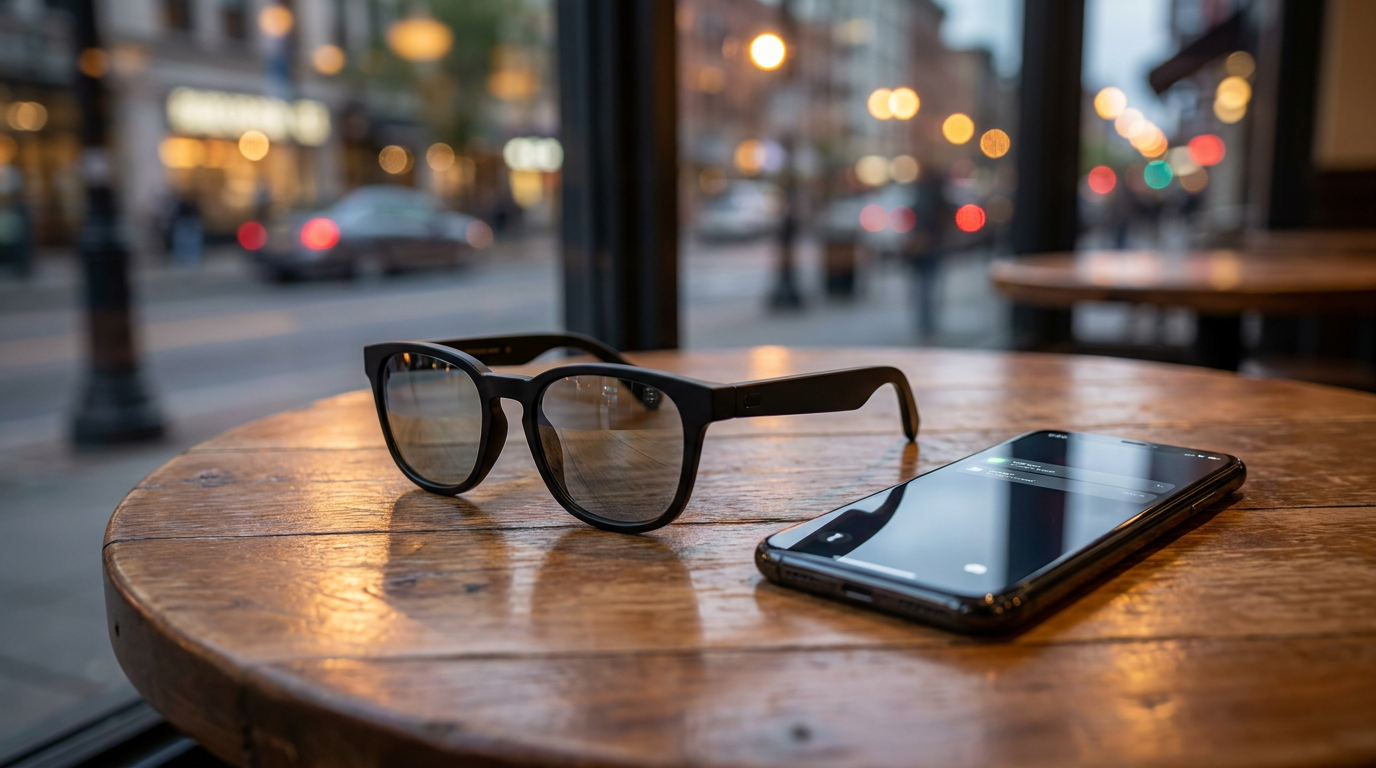
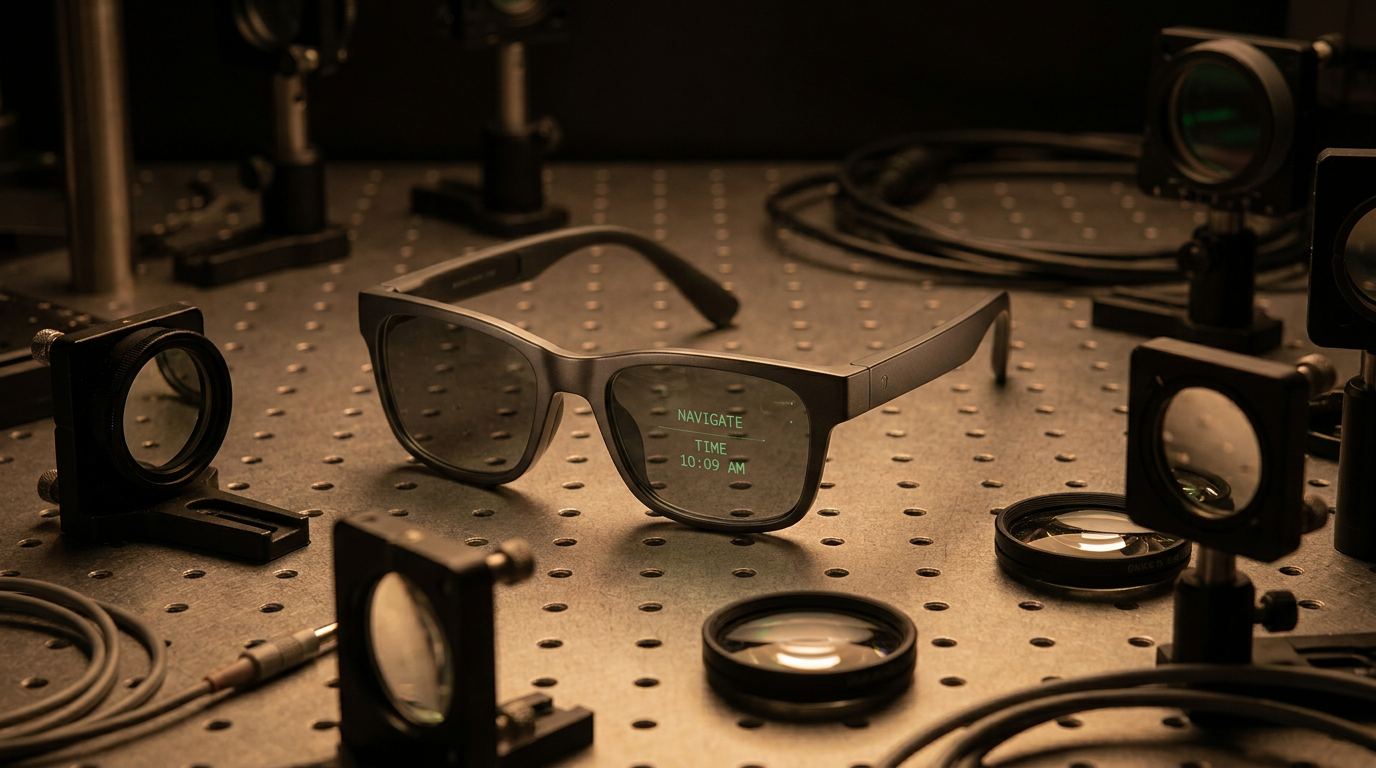
That moral confusion is why HUD-only glasses are staging a quiet, decisive comeback. While the camera camp drowns in privacy scandals and regulatory scrutiny, brands like Even Realities and Brilliant Labs have pursued an entirely different philosophy. Their thesis is disarmingly simple: smart glasses should show the wearer useful information without harvesting visual telemetry from everyone else in the room. By stripping away intrusive cameras, these minimalist frames bypass every social and regulatory barrier that currently throttles Meta.
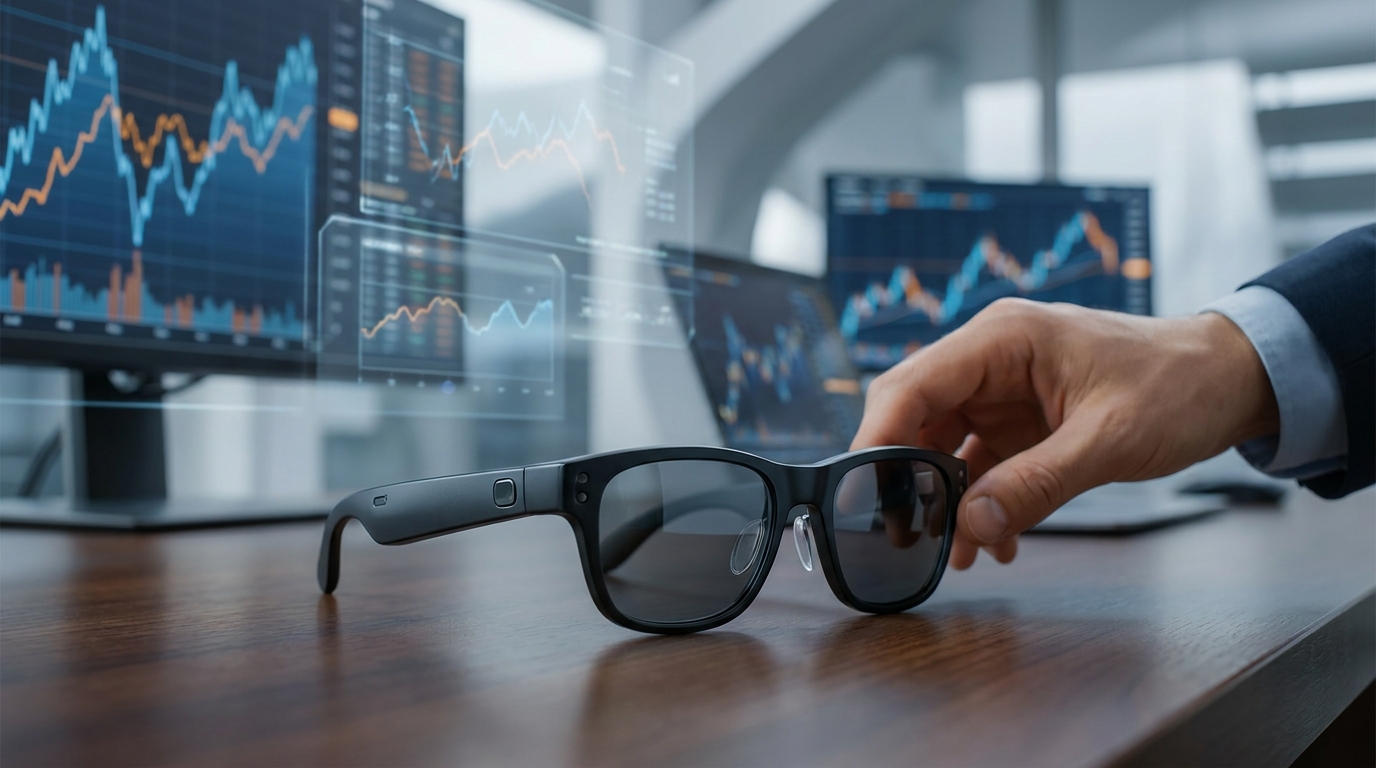
The newly unveiled INMO GO3 smart glasses show where this hardware trajectory is heading. Featuring dual 1,500-nit MicroLED displays and onboard Gemini AI, the device concentrates on putting crisp, legible data directly in front of the user's eyes. Hardware makers are finally realizing that people want a glanceable heads-up display, not a covert filming rig. When the display itself is bright, sharp, and self-contained, smart eyewear turns into a tool rather than a provocation.
Consider the hardware pioneered by Brilliant Labs with its Frame glasses. By centering an open-source, lightweight architecture around an intentional visual prism, Brilliant Labs created an intimate computer for the wearer rather than an ambient broadcast station for the internet. You get conversational AI queries, immediate contextual lookups, and minimal cognitive load without looking like a spy. It restores agency to the individual without violating the collective consent of the sidewalk.
Even Realities went a step further with its G1 frames by perfecting the green monochrome waveguide. It offers turn-by-turn navigation, discreet teleprompter notes, and live multilingual translation without a single camera lens on the chassis. Because there is no image sensor, there are no flashing tally lights, no battery-draining video encoders, and zero hostile stares from strangers. You get multiple days of battery life in a frame that looks indistinguishable from standard prescription optics.
Contrast that quiet elegance with Snap's desperate Hollywood pivot. Robert Downey Jr. can star in as many high-production golf coaching and digital art commercials as Snap can buy during the World Series. No amount of Marvel celebrity charm will convince normal people to wear heavy, conspicuous augmented reality rigs to brunch. Bulky see-through optics will remain confined to niche developer sandboxes until the form factor matches daily human etiquette.
Meta's retrospective at the Computer History Museum traces six decades of head-mounted displays, yet modern tech executives refuse to learn the historical lesson. Every hardware generation that prioritized complex sensory capture over subtle wearer utility ended up gathering dust in an archive. Wearable computing succeeds when it dissolves into the background of social life, not when it demands that society reorganize its privacy boundaries around the hardware. The market has spoken through cooling growth numbers: users will not be coerced into surveillance eyewear.
The future of connected eyewear does not belong to ambient cameras or full-field spatial holograms. It belongs to the heads-up display: quiet, considerate, and purely focused on delivering data directly to your retinas. Even Realities and Brilliant Labs established the standard, and mainstream suppliers are now taking notes. If smart glasses are ever going to replace the smartphone, they will do it by keeping their cameras off and their displays clear.
Interactive guide — prices, displays, cameras, battery.
Share this story