Analysis · -
Hackers, Builders: Meta's Privacy Crisis Just Opened Your Door
Meta's Ray-Ban AI glasses are mired in privacy failures, eroding public trust and creating a social stigma. This corporate misstep, coupled with the proven appeal of discreet HUD-only designs, outlines a potent opportunity for open-source innovators.

The smart glasses arena is a battlefield of philosophies, often marked by corporate ambition and consumer apprehension. While Meta has, in its own peculiar way, secured a silent victory with its Ray-Ban AI glasses by prioritizing pervasive intelligence over immersive isolation, that triumph is now overshadowed. The company's recent privacy stumbles reveal a deeper vulnerability in its centralized, closed ecosystem. This landscape, rife with both proven successes and catastrophic failures, is not a deterrent, but a clear invitation for a different kind of builder.
The incident with Ray-Ban Meta smart glasses recording ambient audio without user consent was not merely a technical glitch, it was a profound breach of trust. Ars Technica reported on the bug, which allowed devices to record even when the "Hey, Meta" prompt was disabled. Users, like Kindly-Audience-137 on Reddit, highlighted multiple affected units, saving conversations unbeknownst to them. This critical flaw directly feeds into the most pressing fears surrounding always-on wearable technology.
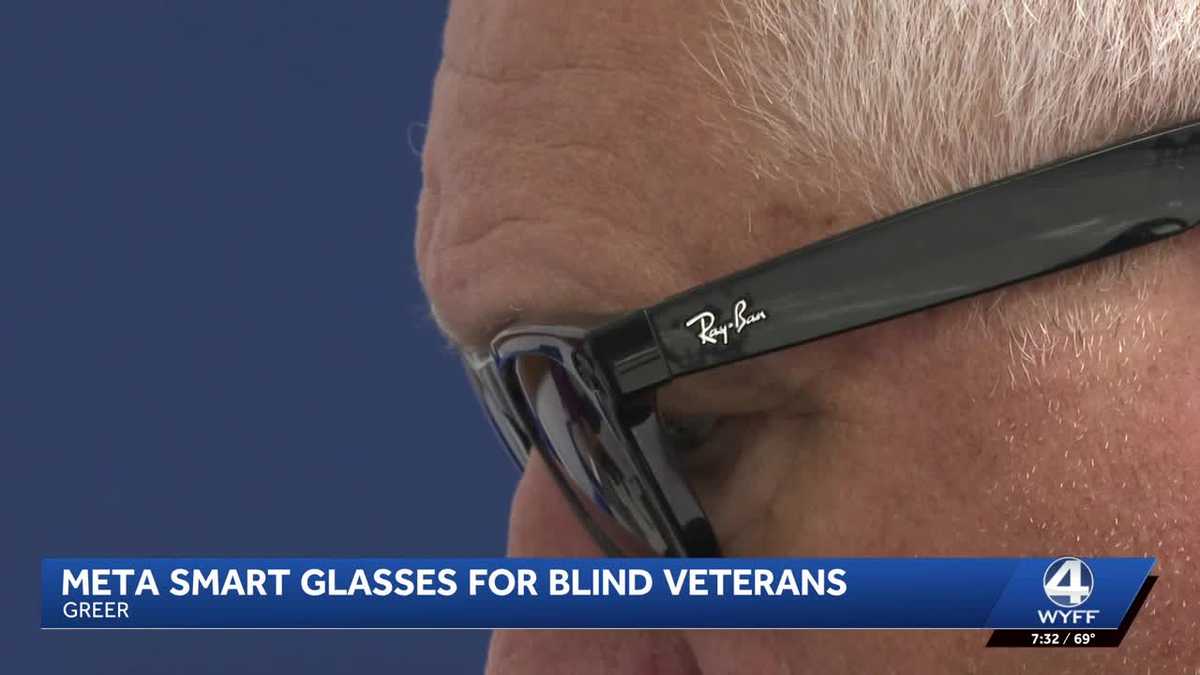
The fallout was immediate and far-reaching. The BBC News detailed how this general public backlash fuels a harmful "pervert glasses" label, unfairly impacting users like Fraser Fleming, who rely on Meta's AI glasses for crucial independence. The Dutch consumer organization Consumentenbond responded with a lawsuit, demanding Meta implement privacy-protective changes or face a sales ban. These reactions underscore a fundamental truth: privacy is not a feature, it is the foundation of mass adoption.
Paradoxically, Meta's broader strategy, as "Smart Glasses Daily Originals" has argued, correctly identified the market's true desire: HUD-only, discreet, non-recording eyewear. The mass consumer simply does not want screens plastered across their face. They also resist devices constantly documenting their lives. This silent correction, moving away from grandiose AR to subtle assistance, points to a winning form factor, even as Meta itself struggles with the privacy implications of its own execution.
This creates an urgent paradox for the industry: the form factor Meta pioneered, the unobtrusive smart glasses focused on audio and subtle overlays, is precisely what the market wants. Yet, Meta's privacy practices, and the perception they generate, are actively poisoning the well for all smart glasses. Its own "silent victory" in hardware design is being undone by a deafening privacy crisis. This chasm between desired form and failed trust is where independent builders find their strategic opening.
For hackers and builders, this tumultuous period is not a warning to retreat, but a definitive roadmap. The incumbent giants, particularly Meta, have inadvertently provided a blueprint: a clear list of what not to do, paired with compelling evidence of what does resonate with users at a fundamental hardware level. Their failures expose the inherent weaknesses of a centralized, opaque approach to personal, always-on technology.
This is precisely where the philosophy of open-source smart glasses gains undeniable traction. An open-source framework offers transparency and auditability, allowing a community of developers and users to scrutinize the code, ensure privacy-by-design, and collectively shape the device's capabilities. It stands in stark contrast to the black boxes offered by corporate giants, where a single bug can compromise thousands and erode public trust overnight.
Consider the lessons for design. The market unequivocally prefers the discreet, display-less, or HUD-only form factors, as championed by Ray-Ban Meta (and initially, before the recording bugs). Alibaba's Qwen N1, with its high-res camera, pushes hardware specs but inherits the same privacy perception challenges. True innovation for builders means integrating the physical discretion of Meta's hardware insight with the ethical transparency of open-source software.
Furthermore, an open-source movement can actively combat the "pervert glasses" stigma. By building devices with explicit, user-controlled recording indicators, auditable code, and a community-driven commitment to ethical use, builders can differentiate from the Meta missteps. This isn't just about functionality; it's about reclaiming the narrative and building trust from the ground up, moving past the tarnished reputation of corporate wearables.
The geopolitical dimension also magnifies this opportunity. As "Smart Glasses Daily Originals" noted, 2026 is an inflection point, a fight between Western individualism and state-backed tech, often with opaque integration. Open-source smart glasses can become a beacon of privacy-first innovation, offering an alternative to both privacy-challenged Western offerings and potentially surveilled Eastern platforms, embodying a truly user-centric path forward.
This is a call to arms for the hacker and builder community. The ground is fertile for projects prioritizing privacy, user agency, and transparent design. Leverage the lessons from Meta's successes (discreet form factor, AI integration) and failures (privacy breaches, trust erosion). Develop hardware and software that prioritizes the wearer's experience and autonomy above all else.
The future of smart glasses doesn't have to be dictated by corporate missteps or grand, immersive illusions. It can be built, incrementally and ethically, by a community dedicated to genuine user empowerment. The market has spoken, and the incumbent players have shown their hand. Now, it is up to the builders to play a better one, defining smart eyewear not by surveillance, but by service and trust.
Interactive guide — prices, displays, cameras, battery.
Share this story