Analysis · —
The $49 AI Glasses & The Ghost of Facial Recognition
Blacksheep's bargain basement AI eyewear and Meta's hidden 'NameTag' feature reveal a fractured, exciting, and frankly terrifying future for smart glasses. It's a playground for hackers and builders, whether we like it or not.

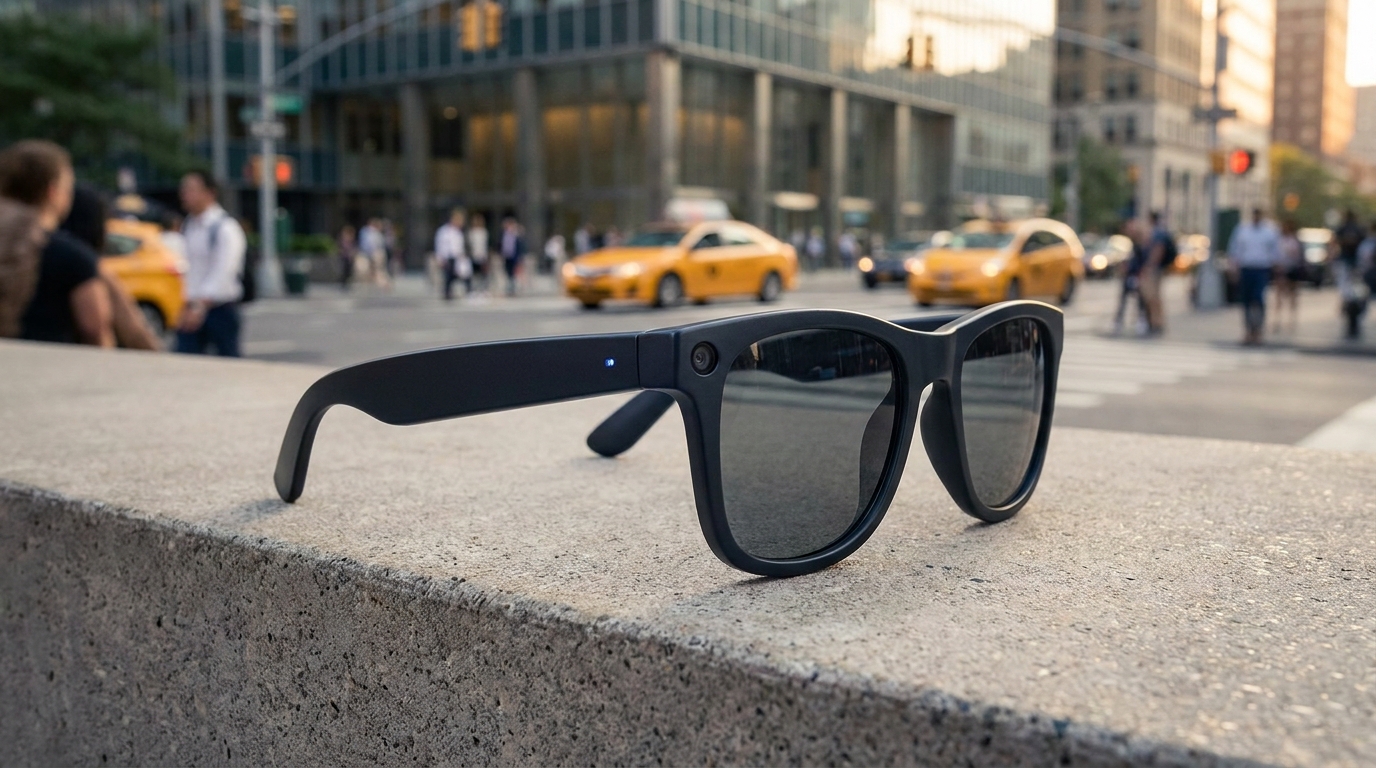
Forget the polished retail experiences Meta is trying to curate at Best Buy and its own 'Meta Labs' boutiques. While the company meticulously integrates Ray-Ban Meta glasses with Quest VR demos to paint a picture of seamless spatial computing, the real story is unfolding elsewhere. The sheer audacity of Blacksheep launching AI smart glasses for 49 euros, directly challenging Ray-Ban Meta's premium pricing, is a seismic shock. This isn't just a price war; it's a declaration that the barrier to entry for AI-powered eyewear is about to plummet.
The implications of this price crash are profound. While Florian Bayard at 01net notes the inevitable compromises in audio and hardware on the Blacksheep units, the fact remains: functional AI, even basic, is now available at a fraction of the cost. This 'Shein of eyewear' approach democratizes the technology, moving it from a luxury gadget to something accessible to a much wider demographic. It means more people will get their hands on these devices, and crucially, more people will be able to take them apart.
This accessibility is precisely why the 'NameTag' revelation from Meta is so electrifying, and frankly, so alarming. The discovery of dormant facial recognition code within the Meta AI app, capable of turning faces into 'faceprints,' is a chilling glimpse into the darker potential of smart glasses. Even if Meta insists it's 'exploratory' and currently inactive, the code exists. It's baked in, waiting. This isn't a hypothetical; it's a functional feature in development, lurking in an app used by millions.
The backlash against Meta for this discovery underscores the deeply ingrained privacy anxieties surrounding smart glasses. As news outlets like Yahoo Tech and the New York Post highlight, the very presence of such code ignites fears about ubiquitous surveillance. Yet, for those who aren't primarily concerned with privacy but rather with what makes devices tick, this is a goldmine.
This dual reality - ultra-affordable hardware meeting sophisticated, if controversial, software - creates an unprecedented landscape for independent developers, hackers, and tinkerers. The Blacksheep glasses, despite their limitations, represent a cheap, disposable platform for experimentation. Imagine the forks and mods that will emerge from such accessible hardware.
Meanwhile, Meta's own devices, while far more expensive, are now the subject of intense scrutiny. The Bill of Materials breakdown from Wellsenn XR, showing optics alone costing a significant chunk of the $800 Ray-Ban Display glasses, paints a picture of high-end components. But it's the user survey data that's truly telling: cameras and AI, not display tech, are what users actually prioritize. This means the software, the AI integration, and the cameras are the bleeding edge, and fertile ground for those looking to push boundaries.
The discovery of 'NameTag' is a clear signal that Meta is exploring the most potent, and ethically fraught, AI applications for its eyewear. For the hacker community, this is an invitation. Can this dormant code be activated? What are its true capabilities? Can it be repurposed? These are the questions that will drive innovation, both good and bad.
Companies like VITURE offering refurbished XR glasses at a discount, or even the shift of Innovega towards assistive tech for the low-vision community, also point to a diversifying market. While the big players chase mass adoption with integrated retail strategies, niche players and second-hand markets create alternative entry points and foster different kinds of development.
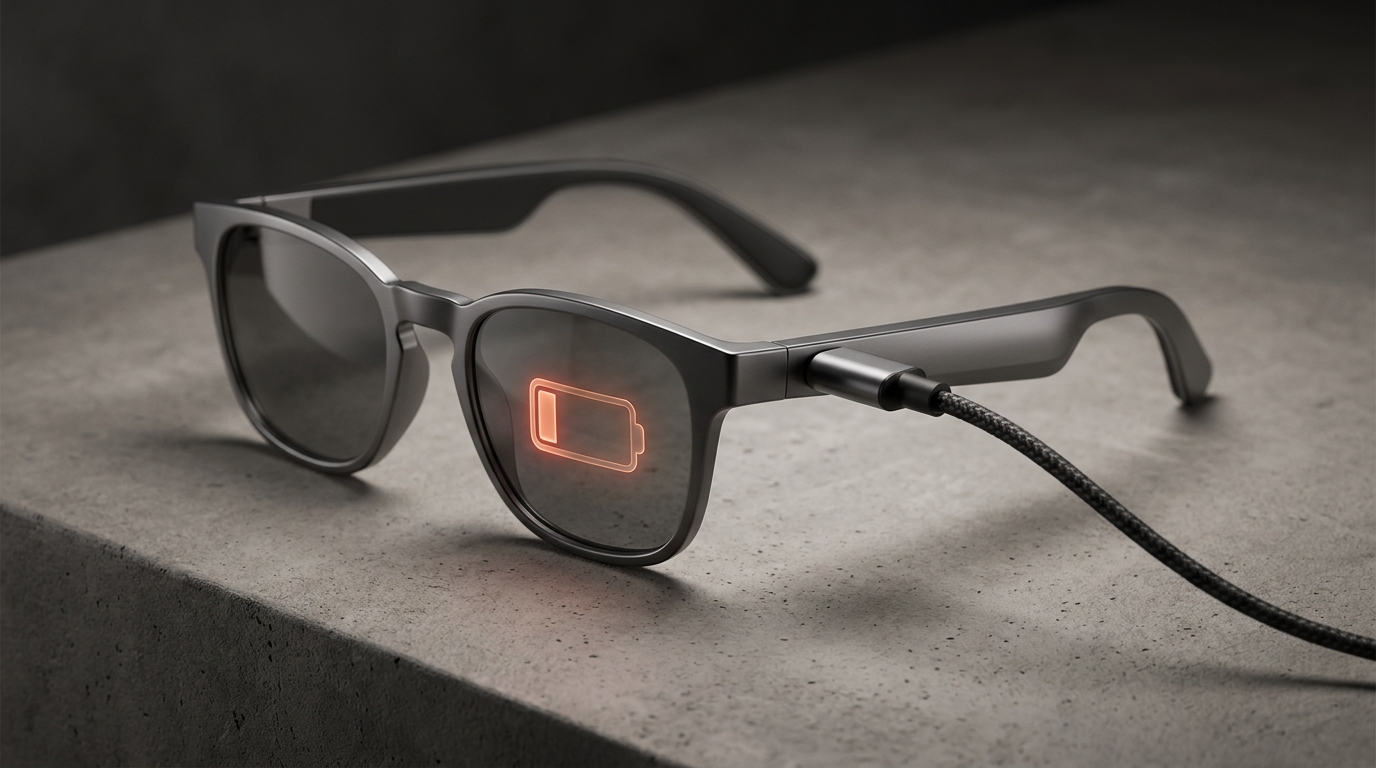
The underlying issue of battery life, consistently highlighted by our own 'Smart Glasses Daily Originals,' remains a fundamental bottleneck. Yet, even with these constraints, the availability of cheap hardware and the tantalizing prospect of advanced, albeit controversial, AI features on more premium devices like the Ray-Ban Meta glasses creates a potent mix.
Apple's reported pivot away from Vision Pro successors towards AI-powered smart glasses, as detailed by MacRumors, further validates the focus on this category. Their entry, aiming for mass-market appeal, will inevitably lead to more development resources being poured into this space, creating ripples across the entire ecosystem.
The smart glasses future isn't solely dictated by the slick, integrated experiences Meta is trying to sell. It's also being shaped by the 49-euro devices from China and the hidden code found in apps. This tension between mass-market accessibility, corporate ambition, and the open-source ethos of modification and exploration is where the real action is.
For builders and hackers, this is the moment. The tools are becoming cheaper, the underlying AI capabilities are becoming more accessible, and the ethical boundaries are being openly, if controversially, tested. Whether it's modifying a Blacksheep unit or dissecting Meta's app, the smart glasses frontier is wide open for those willing to push the limits.
The debate over facial recognition and privacy will continue to rage, rightfully so. But it cannot obscure the fact that the combination of low-cost hardware and sophisticated AI is creating an unparalleled sandbox for innovation. The days of smart glasses being solely the domain of major tech giants are over.
Interactive guide — prices, displays, cameras, battery.
Share this story