Analysis · —
The 2026 Smart Glasses Battleground: China vs. USA
Forget the hype. This fall, the smart glasses race isn't about full AR immersion, but a subtle AI assistant war, with Google’s Android XR poised to challenge Snap’s premium gamble, setting the stage for a critical 2026 showdown.
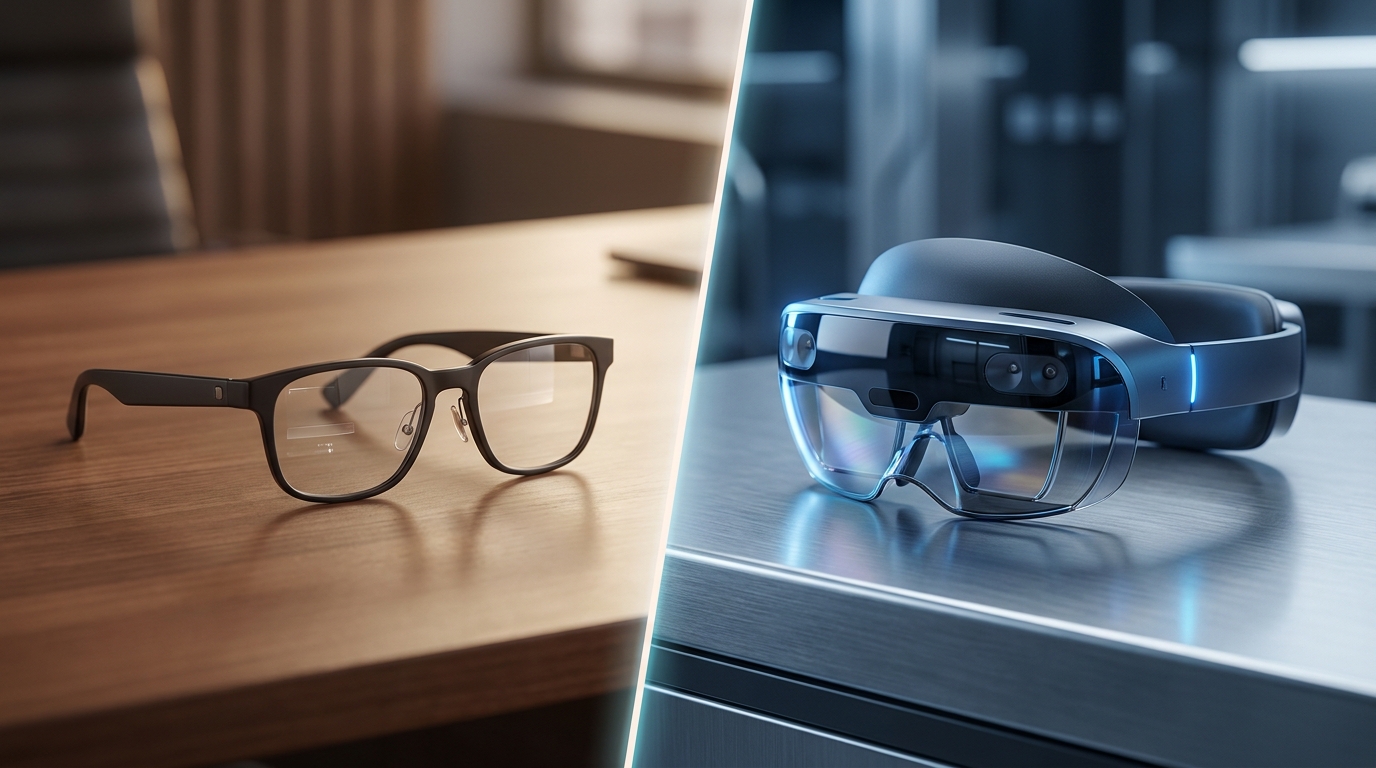
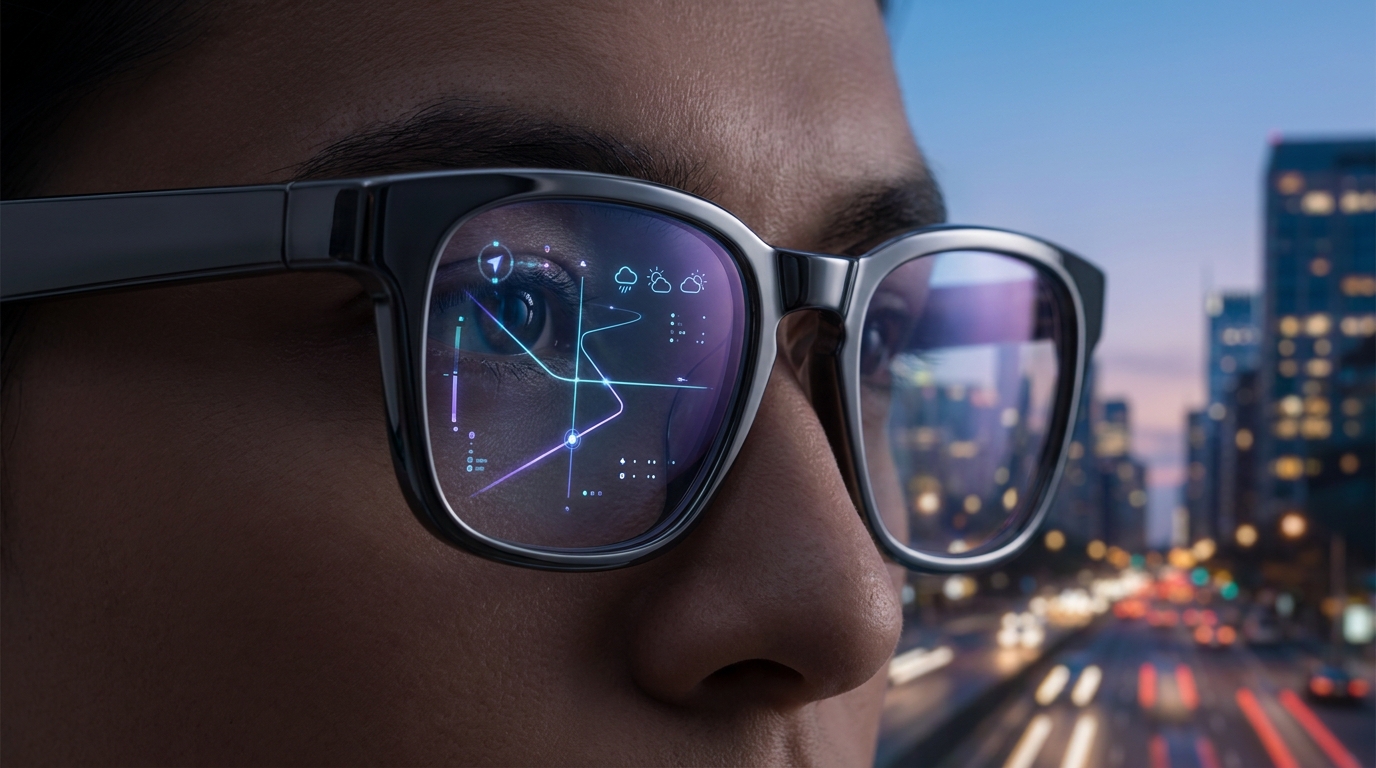
The year is 2026, and the smart glasses narrative has finally shed some of its more ludicrous ambitions. While the specter of full-blown AR, epitomized by Apple Vision Pro's cinematic prowess and niche appeal, continues to loom, the real battle for mass adoption is shaping up to be far more nuanced and, frankly, useful. This fall, the battlefield isn't paved with holographic dragons, but with context-aware AI assistants delivered through increasingly subtle hardware. Google’s Android XR platform, spearheaded by Xreal's Project Aura and refined designs from Warby Parker and Gentle Monster, is making its move. These devices are not trying to replace your phone or transport you to another dimension; they aim to augment your reality with intelligence, a stark contrast to the spectacle-driven approach of some rivals.
Google's strategy, as showcased at I/O, is a two-pronged attack. On one hand, there's the push for sophisticated AI integration, with Gemini powering devices that offer real-time, context-aware assistance. This means everything from personalized navigation to instant translations, all seamlessly woven into your daily life. This is the core promise: a genuine assistant, not a pocket computer strapped to your face. WIRED's coverage highlights a dual strategy of advancing Gemini AI alongside their spatial computing platform, indicating a deep commitment to making these glasses genuinely intelligent.
This focus on unobtrusive assistance is a direct repudiation of the 'full screen' paradigm. As our previous analysis has argued, the mass market doesn't want to wear a bulky headset that mimics a smartphone interface. They want intelligence without the spectacle. Google's hardware partners, like Warby Parker and Gentle Monster, are clearly onboard with this vision, prioritizing aesthetics and wearability. The co-development with Samsung further solidifies Google's serious intent to capture the consumer market.
However, Google isn't alone in the nascent smart glasses arena this fall. Snap is making a bold, and perhaps defiant, play with its upcoming AR Spectacles. Priced at a staggering $2,500, these devices, according to 9to5Google and UploadVR, are aiming for the high-end enthusiast market. This premium positioning suggests a device focused on more advanced augmented reality features, a departure from the subtle assistance Google champions.
The $2,500 price tag immediately raises questions about mass appeal. While Snap has long flirted with the consumer market, this price point firmly places their AR Spectacles in the realm of early adopters and developers, much like their previous Spectacles AR kit offerings. This is a significant gamble, especially when compared to the more accessible, albeit less graphically advanced, options Google and its partners are preparing to launch.
This stark contrast in pricing and philosophy highlights the emerging schism in the smart glasses market. Google and its cohort are betting on utility and seamless integration, aiming for broad adoption by solving everyday problems. Snap, on the other hand, is pursuing a more ambitious, display-heavy AR future, accepting a higher barrier to entry.
Xreal's Project Aura is set to be the vanguard of Google's Android XR push, slated for a global launch this year. RoadToVR reports that it will be the first device to run the full Android XR operating system, showcasing immersive Google Maps and multitasking capabilities. This positions Project Aura as a key proving ground for Google's vision of integrated spatial computing, blending virtual screens with real-world context.
The Android XR platform promises a full app interface navigable by hand gestures, as noted by WIRED. This is where Google's vision diverges from pure audio-assistants; it aims for a more interactive, visual augmentation, but one that remains grounded in practical applications like directions and information overlays, as seen in TechCrunch's preview of Google's visual AI glasses prototypes.
This divergence also sets the stage for the broader geopolitical implications. While US companies like Google and Snap are rolling out their 2026 offerings, the underlying technological race is global. The development of advanced AI, like Google's Gemini, and sophisticated display technologies are critical components. China's own advancements in AI and consumer electronics will inevitably play a massive role, even if not explicitly detailed in these specific US-centric announcements. The race is not just between companies, but between technological ecosystems.
The success of Google's Android XR initiative hinges on its ability to deliver on the promise of a truly helpful AI assistant without the social awkwardness or technical barriers of current AR. If they can achieve this, especially with the backing of established eyewear brands, they stand to capture a significant portion of the market.
Snap's challenge is to justify that $2,500 price point. If their AR Spectacles offer a genuinely revolutionary experience that transcends current offerings, they might carve out a lucrative niche. However, the risk of becoming an expensive novelty is substantial, especially given the market's current skepticism towards high-priced, niche tech.
The Viture Luma Pro, now available refurbished on eBay at a steep discount, exemplifies the ongoing struggle for market penetration. While offering a 'portable monitor' experience, its current path through refurbished sales suggests difficulty in achieving mainstream appeal at its original price point. This underscores the need for devices that blend utility with affordability.
Ultimately, 2026 is shaping up to be a pivotal year. It's not about which company can build the most outlandish AR headset, but which can deliver the most practical, intelligent, and wearable AI assistance. The quiet revolution of unobtrusive intelligence, championed by Google's Android XR, appears to be the frontrunner, poised to define the smart glasses market, while Snap takes a high-stakes gamble on the bleeding edge of AR.
The future of smart glasses in 2026 is less about the display and more about the brain behind the lens. Google's AI-first, subtle-assistant approach, powered by Gemini and co-developed with major eyewear brands, is positioned to win the hearts and minds of everyday consumers. This contrasts sharply with Snap's premium-priced AR gamble, setting up a fascinating dynamic where practicality battles cutting-edge ambition.
Interactive guide — prices, displays, cameras, battery.
Share this story