Manufacturer News · Snap
Snap's AR Spectacles: $2,500 Price Tag, Fall Launch Reported
Reports point to an autumn launch for Snap's long-awaited AR glasses. The steep $2,500 price tag targets developers and hardcore spatial computing enthusiasts.

On May 25, 2026, reports surfaced indicating that Snap is preparing to push its standalone augmented reality Spectacles into the commercial market by fall 2026. According to reporting from Alex Heath in his newsletter Sources and highlighted by 9to5Google, Snap aims to transition its experimental eyewear into an actual consumer product later this year, though buyers should expect an eye-watering $2,500 price tag.
The launch trajectory aligns with Snap's public schedule. The company has already confirmed a keynote address at the Augmented World Expo (AWE) in June 2026, creating a natural staging ground to unveil the updated hardware and its developer ecosystem. As UploadVR noted in its coverage of the reports, Snap has spent years iterating on Spectacles behind closed doors, distributing previous iterations strictly to select developers and creators rather than selling them on retail shelves.
At an estimated $2,500, Snap is bypassing the budget-conscious consumer crowd and heading straight into enterprise or bleeding-edge enthusiast territory. By comparison, Meta established an accessible foothold with its display-equipped Ray-Ban smart glasses at $800. While Meta opted for consumer-friendly pricing to build volume, Snap appears willing to mirror Apple's early Vision Pro playbook by asking early adopters to fund uncompromised spatial computing hardware.
The massive price disparity comes down to technical ambition. 9to5Google notes that where devices from Meta and Google primarily operate as heads-up notification displays or contextual AI assistants, Snap is chasing true optical augmented reality. That means dual waveguide displays, spatial mapping, and six-degrees-of-freedom tracking capable of anchoring interactive 3D digital objects directly into physical environments. Delivering that level of spatial fidelity in a wearable frame demands costly custom silicon, advanced optics, and significant thermal management.
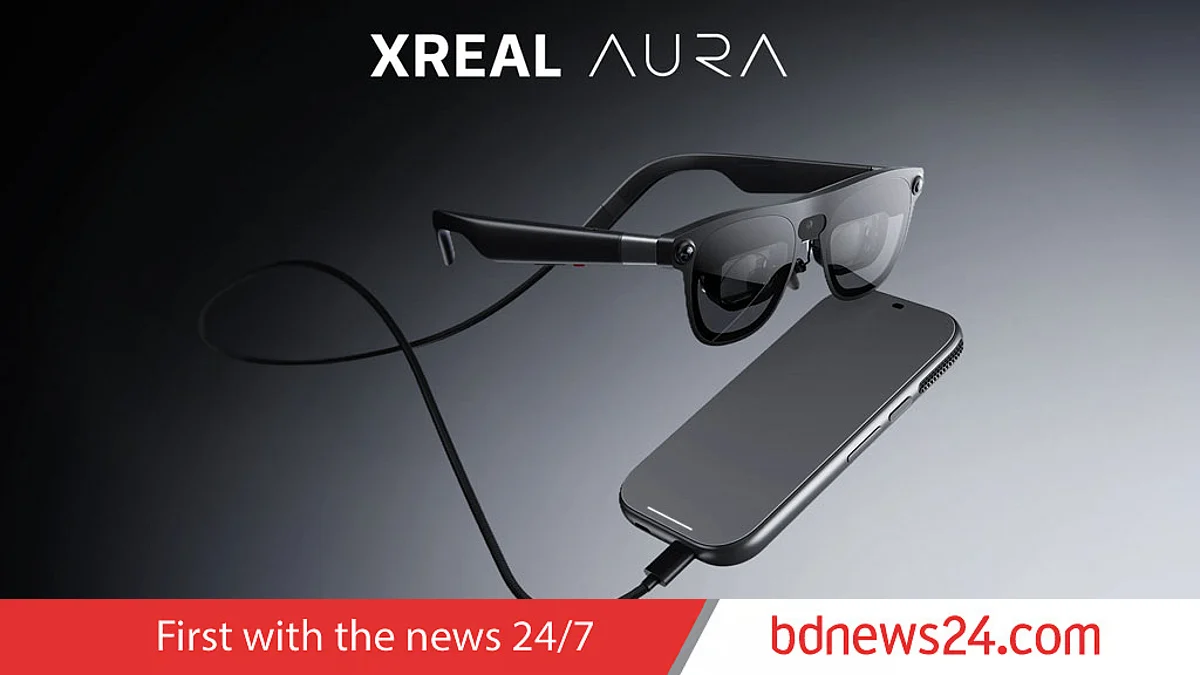
Timing is critical for Snap. Google recently previewed its Android XR platform at Google I/O, showcasing audio-first smart glasses and reserving display-enabled eyewear for a 2027 debut. Meanwhile, hardware partners like XREAL plan to ship Android XR devices late in 2026, though those tethered units resemble compact headsets more than standalone glasses. If Snap hits its targeted autumn window, it could effectively beat the broader Android XR ecosystem to market with standalone optical AR eyewear.
What this means: Snap is placing a massive bet on technical prestige over mass-market scale. A $2,500 price tag guarantees that Spectacles will not be an impulse buy for casual Snapchat users. Instead, Snap CEO Evan Spiegel wants to prove that his company can out-engineer Silicon Valley giants in spatial optics. If the hardware delivers authentic, stable world-anchored AR in a tolerable form factor, Snap solidifies its reputation as an innovative hardware pioneer. But if battery life, field of view, or ergonomics falter, convincing developers to spend four figures on a niche platform will be an uphill battle.
Interactive guide: prices, displays, cameras, battery.
Share this story