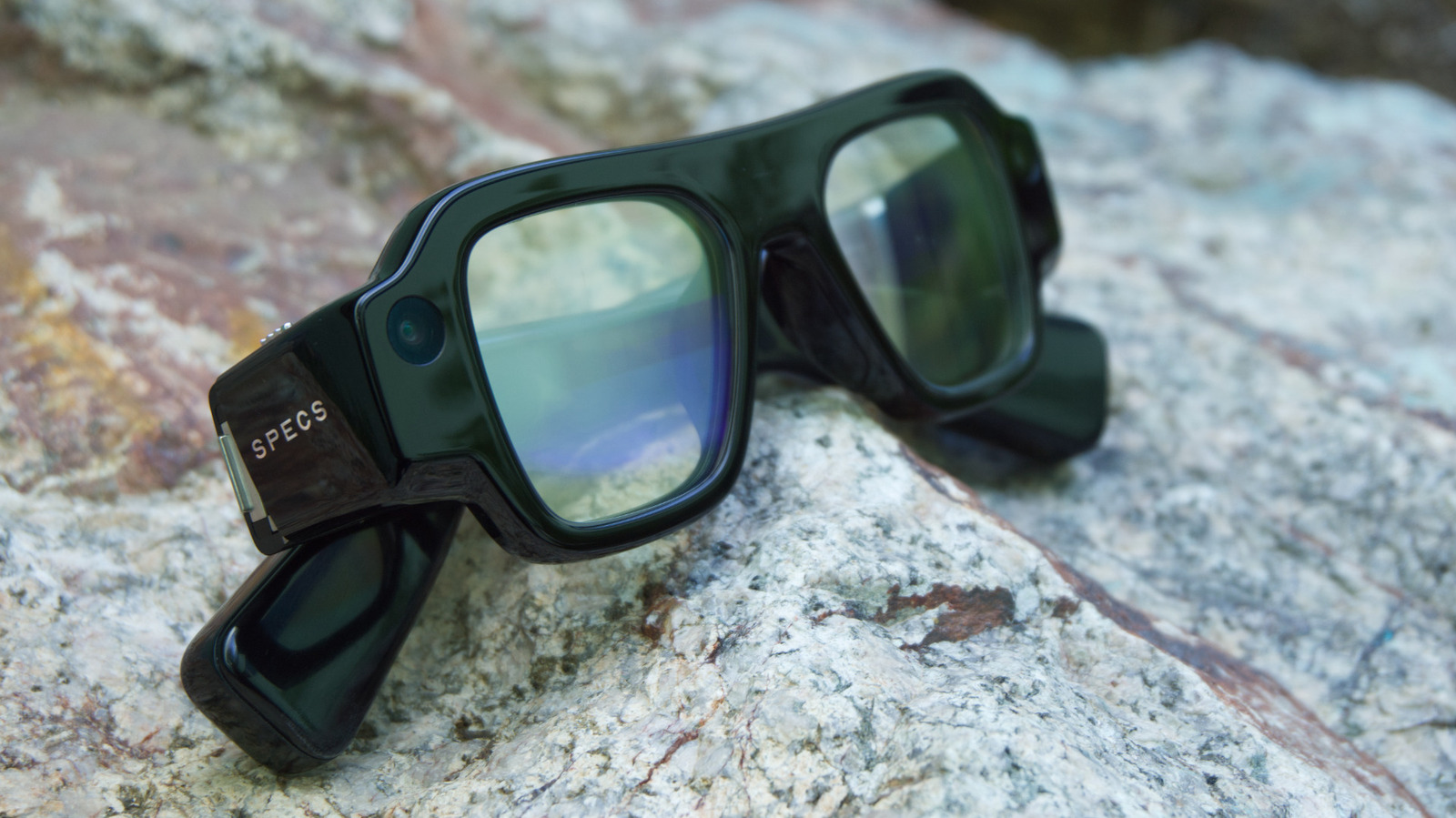
News · Rokid
Rokid's Lightweight AI Glasses Outstrip Meta in Sales, Fueled by Open Ecosystem Strategy
A surprising contender, Rokid, has reportedly surpassed major tech giants in smart glasses sales, attributing its success to an open AI platform that offers users unprecedented choice.
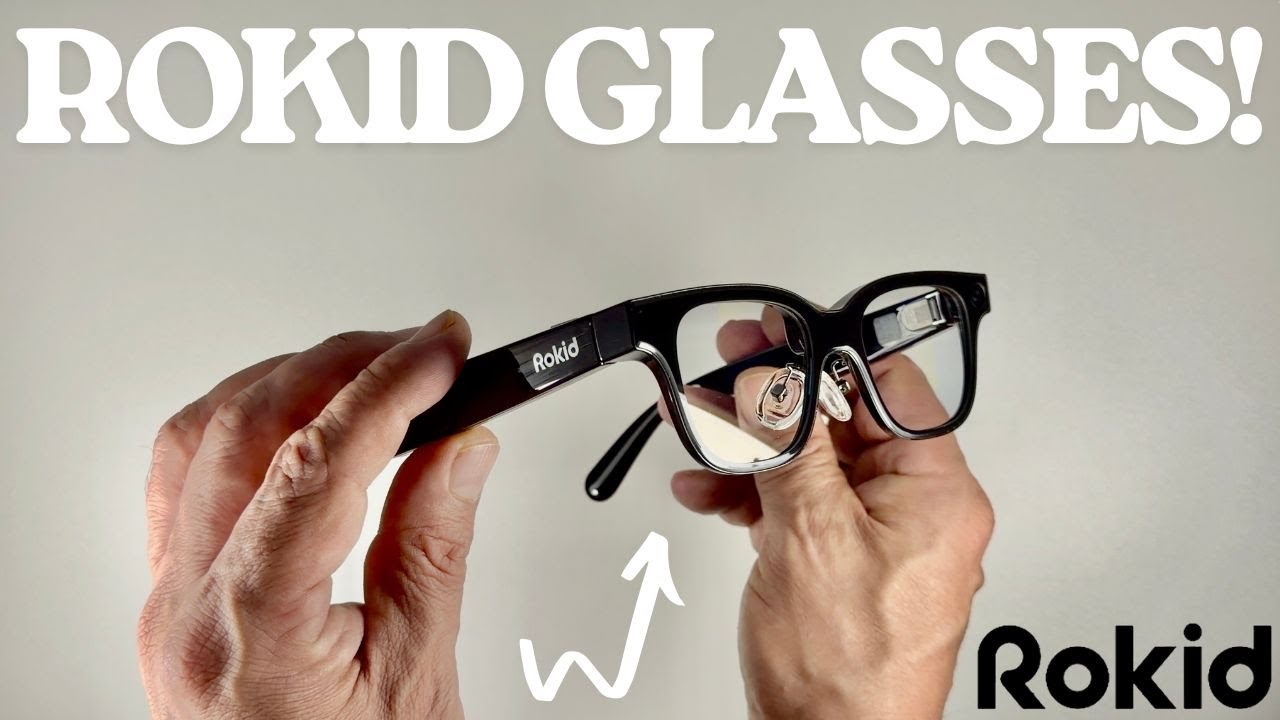
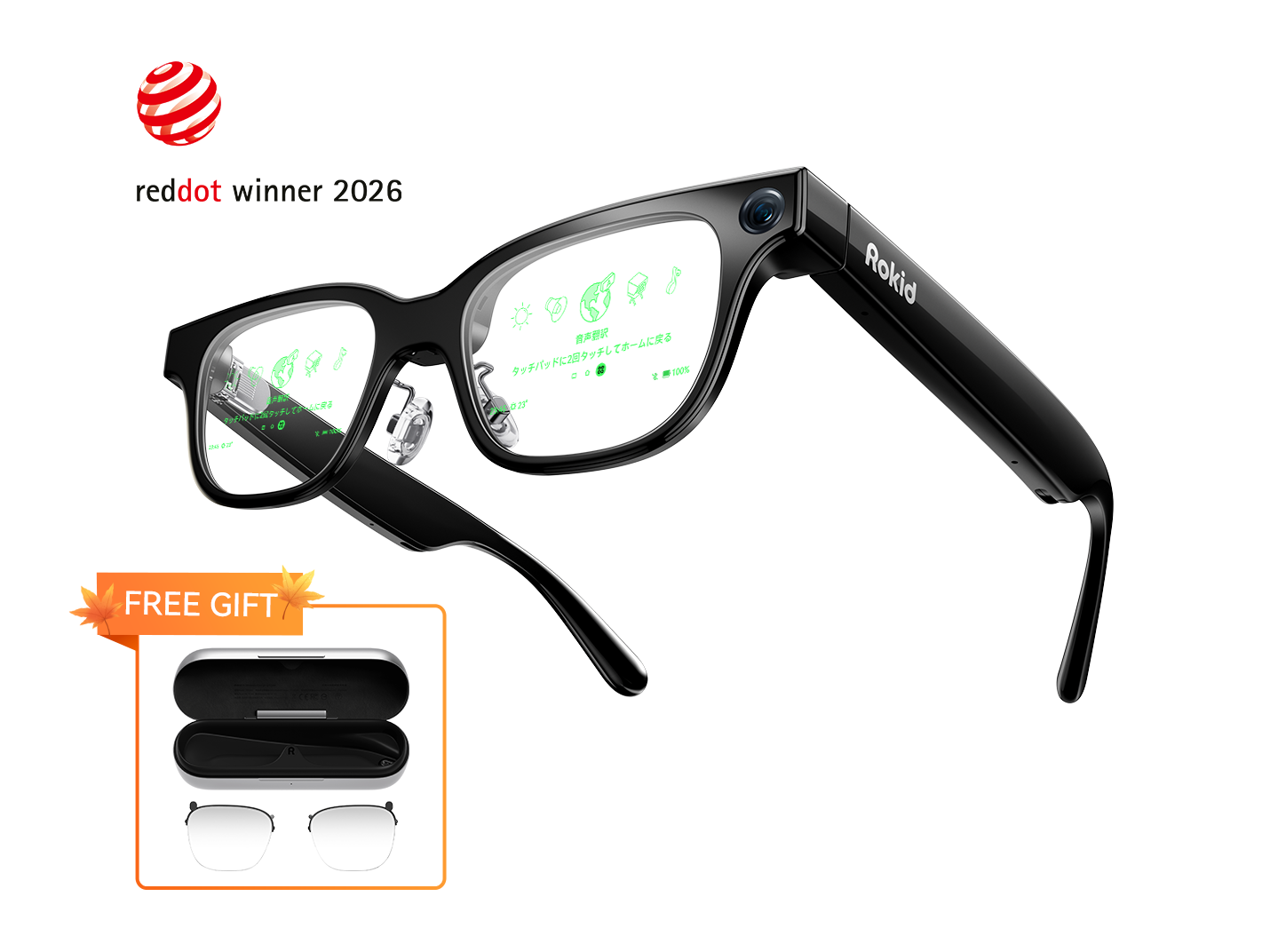
In a significant shift within the burgeoning smart glasses market, Chinese augmented reality firm Rokid has emerged as an unexpected leader in unit sales for AI-enabled glasses with integrated displays. According to data spanning November 2024 through October 2025, compiled by Shangpu Group, Rokid's 49-gram glasses have outsold Meta's entire display category. This achievement is particularly notable given Rokid's comparatively smaller global footprint compared to industry titans like Meta, Apple, and Google.
The key to Rokid's ascendancy appears to be its innovative software approach. A pivotal March software update enabled its glasses to natively support multiple AI assistants, including Google's Gemini, OpenAI's ChatGPT, Alibaba's Qwen, and DeepSeek, without requiring a tethered smartphone. This open ecosystem stands in stark contrast to the closed strategies adopted by major players, where hardware vendors typically restrict users to their proprietary AI, such as Meta AI for Meta's Ray-Ban Display or Apple Intelligence for the Vision Pro.
Priced at $499, the Rokid Glasses boast dual monochrome green Micro-LED displays, a 12MP camera, and a robust four-microphone array. While their individual specifications may not always lead the category, their early market availability and continuous software enhancements have resonated with consumers. The report highlights that this strategy caters to a specific segment of early adopters and power users who value flexibility and the ability to choose their preferred AI tools, rather than being locked into a single vendor's offering.
This success story presents a crucial lesson for developers and larger tech companies. The smart glasses market is still in its nascent stages, and users, particularly early enthusiasts, are demonstrating a preference for open platforms that accommodate diverse AI models and workflows. For companies like Google, which is yet to release its own AI glasses, Rokid's performance suggests that a 'Gemini-only' approach might alienate a valuable segment of the market.
Rokid is not resting on its laurels, actively expanding its global developer program and conducting promotional tours to showcase everyday use cases. While the company may have a limited window before larger competitors potentially catch up, its current momentum and user-centric strategy have established it as a formidable player in the rapidly evolving landscape of smart eyewear.
Source: VR.org ↗
Interactive guide — prices, displays, cameras, battery.
Share this story