Guides · Ray-Ban Meta
Ray-Ban Meta: Style Over Sight, a Smart Glasses Paradox
Ray-Ban Meta enters the smart glasses arena with an iconic brand and Meta's AI ambitions, but its emphasis on audio and camera over display technology defines a new, constrained segment. This guide unpacks its current offerings, market position, and whether it truly matters amids
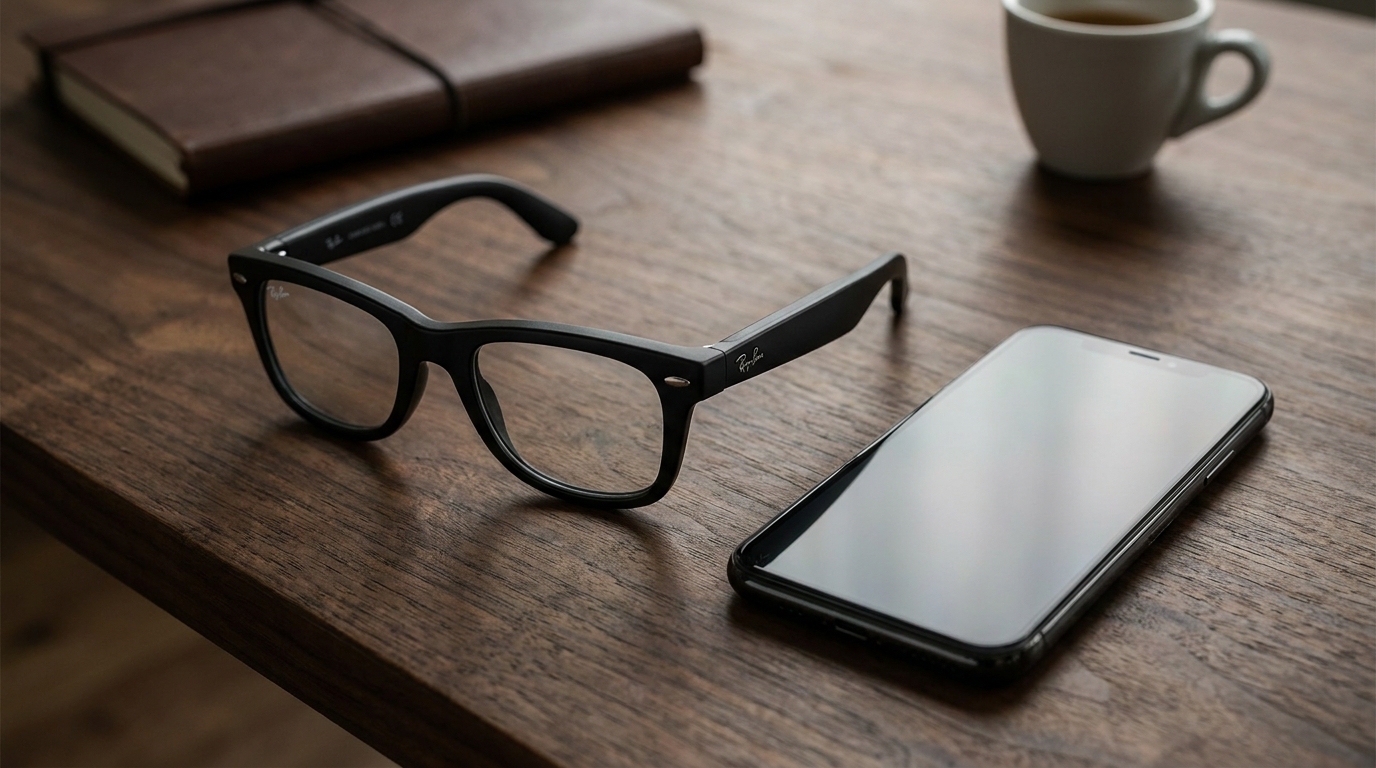
The smart glasses landscape is evolving from niche novelty to mainstream ambition, and few brands carry the cultural weight of Ray-Ban. Its partnership with Meta is, therefore, not just another product launch; it's a statement about where a significant portion of the market might be heading. Ray-Ban Meta attempts to bridge the chasm between fashion and nascent smart technology, presenting a vision of unobtrusive integration rather than overt augmentation.
This collaboration represents a strategic pivot: instead of chasing the elusive AR display, Ray-Ban Meta leans into audio, camera, and AI capabilities. It suggests that for many consumers, the primary utility of smart glasses today isn't overlaying digital information onto the real world, but rather seamlessly capturing and interacting with it. This distinction is crucial for understanding its market position and potential.
Ray-Ban, an eyewear icon since 1937, needs little introduction. Synonymous with cool, rebellion, and timeless design, its entry into smart glasses leverages decades of brand equity. Meta, the social media giant, brings the technological muscle, particularly in AI and its vast ecosystem. This partnership is a clear play for the mass market, targeting fashion-conscious consumers who might balk at bulkier, more futuristic designs.
The 'why now' is multifaceted. Meta's long-term vision hinges on the metaverse, and accessible hardware is paramount to realizing that future. By offering a familiar form factor, they aim to normalize wearing technology on the face, laying groundwork for future, more advanced AR glasses. Ray-Ban, in turn, secures its relevance in a tech-driven world, positioning itself as a leader in wearable fashion technology rather than merely a traditional eyewear company.
The immediate target audience is diverse, ranging from early tech adopters curious about Meta's AI to users seeking hands-free photo/video capture and discreet audio. It's a lifestyle product first, a tech gadget second, designed for those who value aesthetics and convenience over cutting-edge display technology.
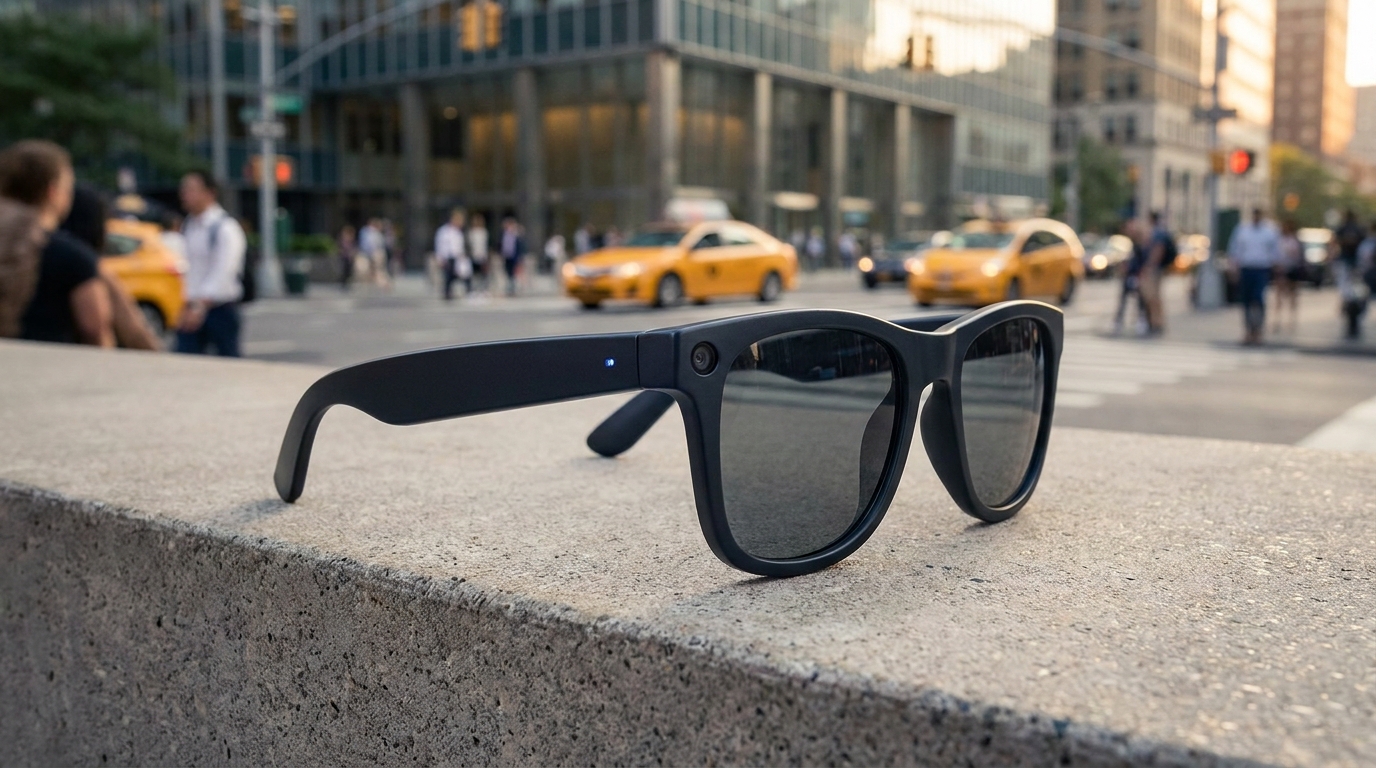
The core product line currently revolves around the Ray-Ban “Meta” smart glasses, available in classic Wayfarer and Headliner styles. These glasses integrate a camera, speakers, and microphones for hands-free photo and video capture, audio playback, and phone calls. While exact technical specifications remain somewhat guarded, public knowledge confirms 12 MP ultra-wide camera, a five-microphone array for spatial audio recording, and open-ear audio for listening.
A notable feature is the integrated Meta AI, allowing voice commands for various functions, from snapping photos to controlling music and retrieving information. The glasses connect to a smartphone app for media management and settings customization. Battery life is publicly stated to offer several hours of continuous use, with a charging case extending this significantly. The charging case itself often doubles as a portable power bank, allowing multiple recharges on the go.
Crucially, these glasses lack any form of integrated display or AR elements. Their functionality is exclusively centered around 'audio-first' interaction and 'capture-first' visual recording. This distinguishes them markedly from true augmented reality glasses like the Apple Vision Pro concept, firmly placing them in the 'smart audio/camera glasses' category.
The Oakley Meta HSTN is a variant that offers the same core technology in Oakley's distinct sports-centric design. While the functionality mirrors the Ray-Ban Meta line, the different aesthetic targets a distinct demographic focused on performance and sport. Public information for a 'Meta Ray-Ban Display' remains elusive; it's likely a misattribution or refers to future concepts not yet materialized.
Comparing Ray-Ban Meta to its competitors reveals a clear strategic divergence. Xiaomi's Mijia smart audio glasses offer a similar audio-centric experience at a potentially lower price point, but lack the powerful brand recognition and AI integration of Meta. Xiaomi's AR concept glasses, while intriguing, remain in the conceptual phase, highlighting the struggle for practical AR hardware. Ray-Ban Meta's immediate advantage here is product availability and brand recognition.
Pitting Ray-Ban Meta against Apple's future ambitions, particularly the Vision Pro, is comparing apples to, well, extremely smart oranges. The Vision Pro is a spatial computer, a full VR/AR headset aiming for immersive computing; Ray-Ban Meta is essentially a wearable camera and audio device. The Apple Glasses, rumored to be a true AR eyewear, would be a more direct competitor, but their existence and capabilities are speculative. Ray-Ban Meta's differentiators are its iconic form factor, current availability, and a price point significantly below any anticipated Apple AR offering.
Ray-Ban Meta occupies a unique niche: fashionable, unobtrusive smart glasses primarily for media capture and audio. Its 'AI Camera Glasses' approach avoids the complexities and bulk of true AR, offering a more accessible entry into wearable tech. This makes it a viable choice for those prioritizing style and discreet interaction over digital overlays.
The Smart Glasses Daily verdict on Ray-Ban Meta is clear: it's a strong lifestyle play, not a groundbreaking technological leap for AR. Its strengths lie in its impeccable brand, familiar design, and seamless integration of Meta's AI for hands-free convenience. It's for the Instagram influencer, the casual content creator, the person who wants to effortlessly capture moments or take calls without pulling out a phone.
However, its critical weakness is the lack of a display, limiting its utility for truly integrated smart experiences. The privacy concerns, particularly the exposed black market for disabling the recording indicator, are a significant reputational hurdle that Meta must address transparently and effectively. In the next 12 months, watch for Meta's response to these privacy issues, evolution of the Meta AI capabilities, and any hints of a display-equipped successor that bridges the gap between style and true augmented reality. Without addressing the privacy loopholes and eventually integrating a display, Ray-Ban Meta risks becoming a stylish, yet ultimately limited, stepping stone to the future of smart glasses.
Interactive guide — prices, displays, cameras, battery.
Share this story