Guides · Ray-Ban Meta
Ray-Ban Meta: A Reality Check on the Fashionable Face of AI Glasses
Meta's foray into smart eyewear with Ray-Ban offers style and capture for the masses. But its blend of AI ambition and critical privacy concerns demands a closer look.
The smart glasses market is a graveyard of ambitious failures and niche successes. Yet, when Meta announced its collaboration with Ray-Ban, the industry sat up. This wasn't just another tech giant dabbling in wearables; it was a potent fusion of Meta's relentless pursuit of the metaverse and Ray-Ban's undisputed dominion over eyewear fashion.
Ray-Ban Meta's entry represents more than a product launch; it's a strategic gambit. Meta, with its vast resources and a burning desire to own the next computing platform, needs a Trojan horse to bring augmented reality and AI into everyday life. Smart glasses, especially those that don't scream 'gadget,' are that horse. Their success, or failure, will dictate much about the immediate future of mainstream smart eyewear adoption.
This partnership isn't new, evolving from the original 'Ray-Ban Stories.' It’s the second-generation, a more polished iteration designed to move beyond mere social capture and into the realm of practical, AI-powered utility. It’s Meta’s play to normalize ambient computing, to embed their AI and ecosystem directly into our field of vision—or, at least, our auditory and photographic world.
The brand identity is clear: Ray-Ban Meta aims for the mainstream. These aren't clunky developer kits or highly specialized enterprise tools. They are fashion accessories first, technological devices second, targeting consumers who value aesthetics as much as, if not more than, cutting-edge specs. This approach allows Meta to sidestep the 'nerd gear' stigma that has plagued many smart glasses ventures.
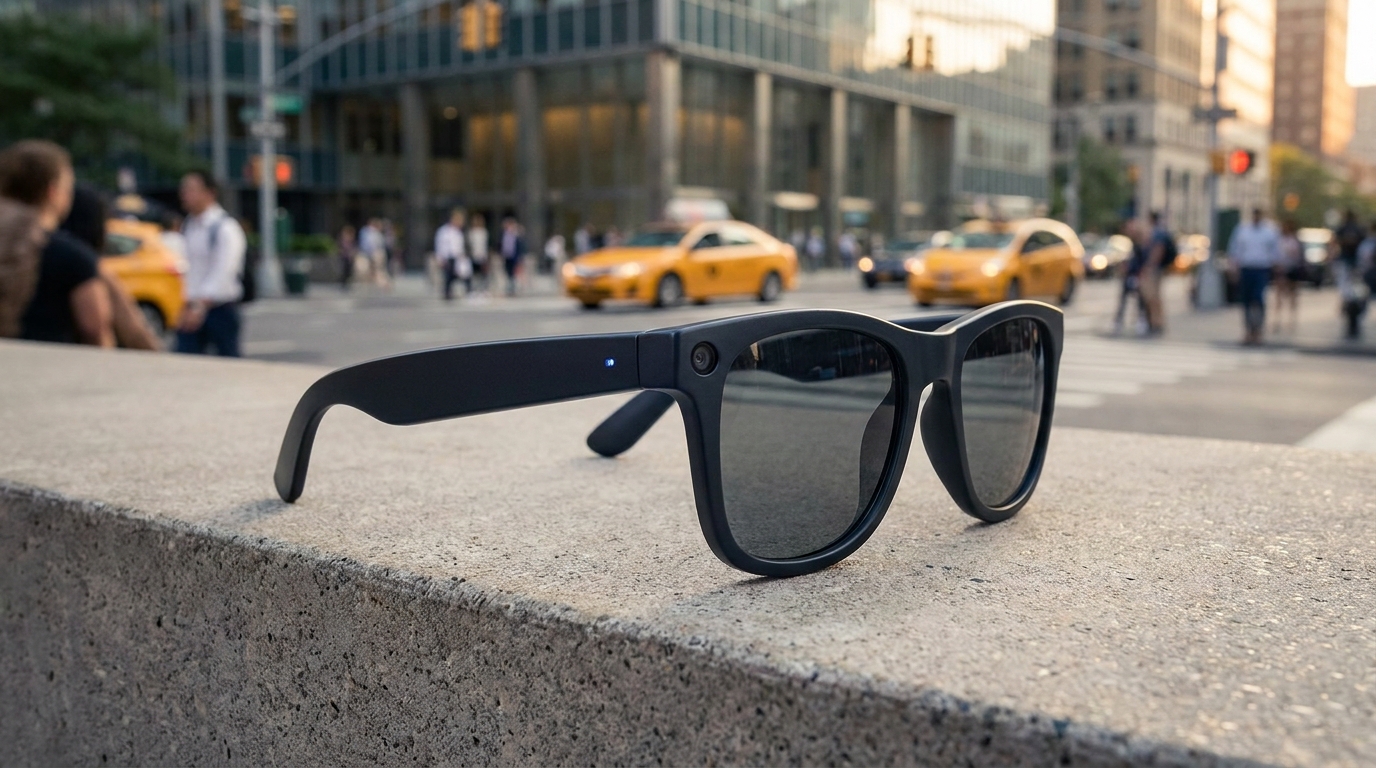
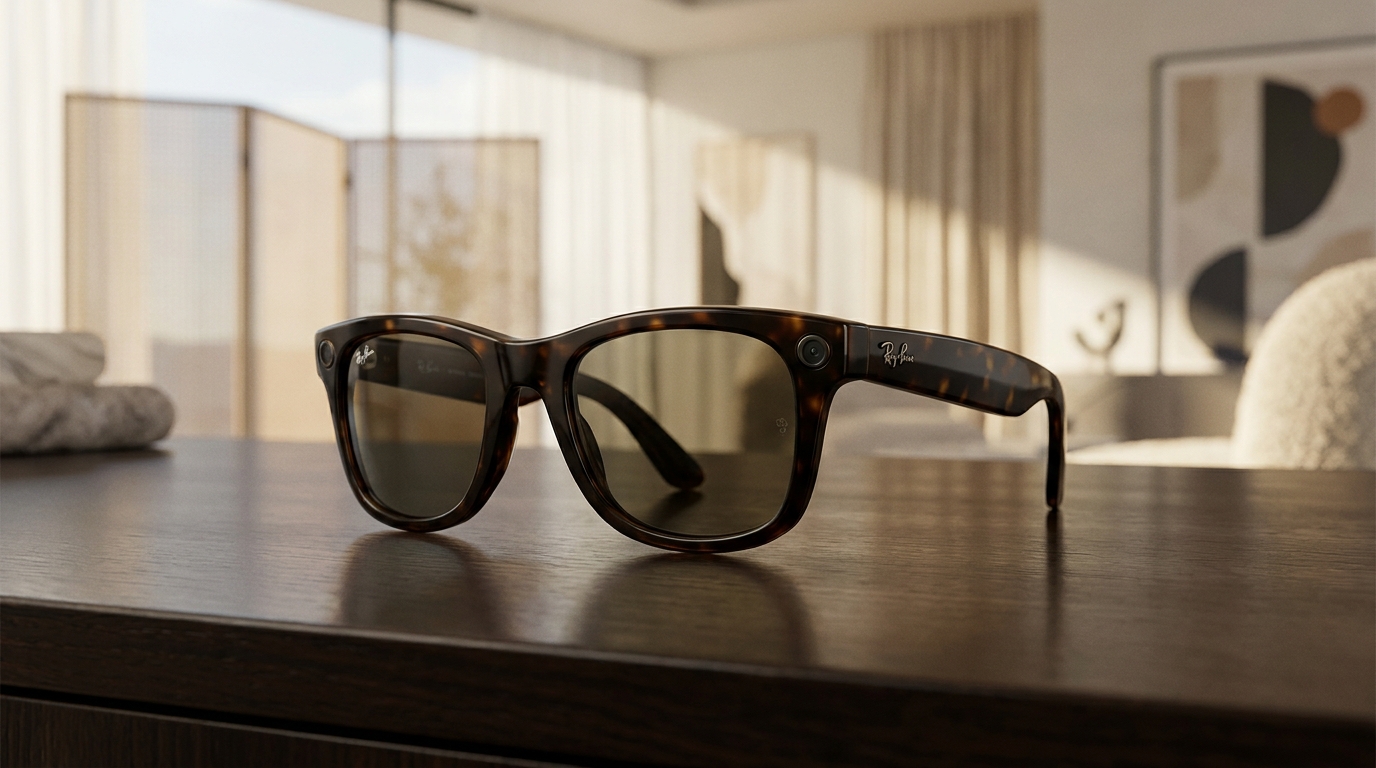
Ray-Ban Meta leverages the iconic designs of EssilorLuxottica, appearing in familiar styles like the Wayfarer, Headliner, and Skyler. This ensures an immediate, comfortable fit into existing wardrobes, making the transition to smart eyewear less jarring. The 'why now' is simple: Meta needs a consumer-friendly vessel for its burgeoning AI capabilities and its long-term metaverse vision, and the glasses provide an inconspicuous front-row seat to daily life.
The current Ray-Ban Meta smart glasses lineup centers on core functionalities: hands-free capture, audio, and AI assistance. While specific technical specifications remain largely under wraps for consumers, public demonstrations highlight a significant improvement in camera quality over its predecessor, capable of capturing high-resolution photos and videos.
These glasses integrate open-ear audio, allowing users to listen to music, podcasts, or take calls without blocking out ambient sound. This design choice underscores their utility as an everyday companion rather than an immersive audio device. Critical to their proposition is the seamless integration with Meta's ecosystem, enabling easy sharing to social platforms and direct control through voice commands.
Crucially, the latest iteration introduces 'Meta AI,' a multimodal AI assistant that can answer questions, summarize information, and even identify objects seen through the glasses. This AI layer elevates the device beyond a simple camera and speaker, positioning it as a genuine personal assistant embedded within your eyewear. The experience is designed to be intuitive, leveraging natural language for interaction.
Positioning Ray-Ban Meta against its competitors reveals distinct strategies. Amazon's Echo Frames, for example, are primarily audio-focused, prioritizing Alexa integration for calls, music, and voice assistance. They offer a comfortable, if somewhat generic, eyewear form factor, but lack a camera or the fashion-forward appeal of Ray-Ban.
Solos AirGo Vision also lean heavily into audio, emphasizing GPT-powered conversational AI and personal coaching. While innovative in their AI capabilities, they, like Echo Frames, do not offer visual capture and tend to adopt a more utilitarian aesthetic. Their strength lies in intelligent audio interaction rather than capturing the visual world.
Even Realities' G1 minimalist HUD glasses represent a different paradigm entirely. Their focus is on subtle, heads-up display information overlay for specific use cases like cycling or running, delivering data directly into the user's field of view. This contrasts sharply with Ray-Ban Meta's camera-centric, AI-assistant, and content-creation approach, which prioritizes capturing and interacting with the world over passively displaying data within it.
The SGD verdict is clear: Ray-Ban Meta smart glasses are for the social-savvy, the fashion-conscious early adopter, and those deeply integrated into Meta's digital ecosystem. Their strengths lie in unparalleled brand recognition, a genuinely fashionable form factor, competent hands-free capture, and the nascent but powerful integration of Meta AI. This combination makes them arguably the most mainstream-ready smart glasses to date.
However, weaknesses persist. The recent exposure of a privacy loophole, enabling the disabling of the recording indicator light, casts a long shadow, highlighting a critical ethical and design challenge Meta must immediately address. Battery life, while improved, remains a practical constraint for all-day use. Moving forward, we'll be watching how Meta evolves its AI capabilities, whether it introduces any form of discreet display technology, and most importantly, how it rebuilds trust by rigorously enhancing privacy and security features within the next 12 months. Without addressing these fundamental issues, even the most stylish smart glasses will struggle to gain true ubiquity.
Interactive guide — prices, displays, cameras, battery.
Share this story