News · Ray-Ban Meta
Ray-Ban Meta Hacks Reveal Critical Privacy Loophole
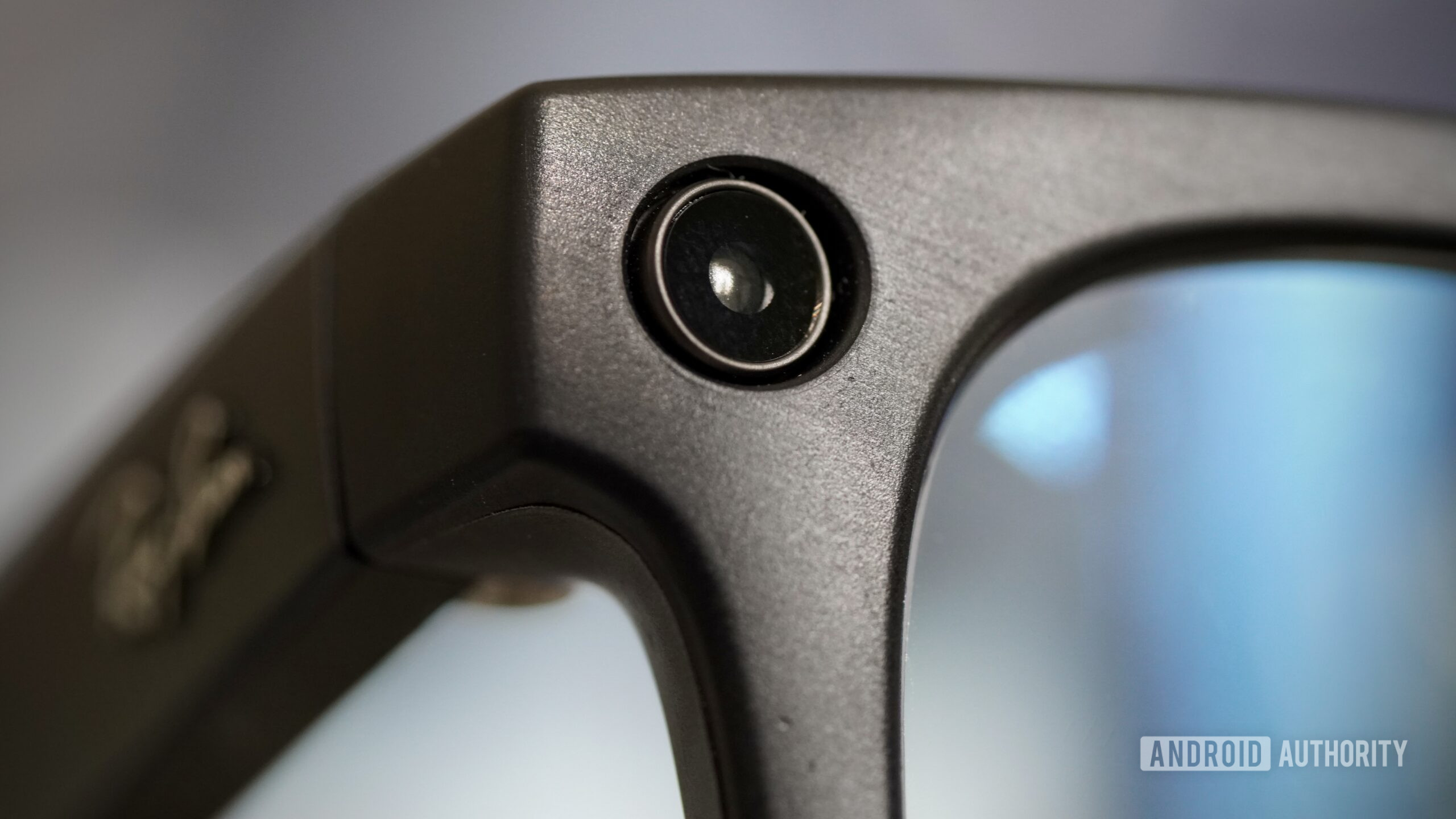
NBC News' Joanna Stern exposed a thriving black market for modifying Ray-Ban Meta glasses by disabling their recording indicator light, finding such services advertised on Facebook Marketplace in 30 states.

On June 5, 2026, NBC News journalist Joanna Stern unveiled a disturbing investigation into the unauthorized modification of Ray-Ban Meta smart glasses. Stern detailed how she paid an individual to 'hack' her $250 Ray-Ban Meta camera glasses, specifically to remove the crucial recording indicator light. As Stern reported for NBC News, this transaction occurred in a New Jersey garage, costing her $100.
The investigation by Stern's team uncovered a widespread market for these modifications. According to NBC News, searches on Facebook Marketplace for terms like 'Ray-Ban Meta light removal' yielded service listings in 30 out of 50 U.S. states.
Our take: This burgeoning black market for disabling privacy features presents a significant challenge for smart glasses manufacturers. The indicator light is a fundamental safeguard, designed to ensure consent and transparency when recording others. Its removal transforms a convenient recording device into a surreptitious tool, eroding public trust in smart eyewear. Meta and other smart glass developers must urgently address these vulnerabilities, either through hardware redesigns that prevent such modifications or by implementing software safeguards that render modified devices inoperable or clearly identifiable.
## The wider privacy dilemma
The vulnerability highlighted by NBC News cuts directly to the core of why smart glasses face persistent societal resistance. For bystanders, an LED indicator light is the only noticeable signal that a pair of ordinary-looking glasses is actively capturing video. When that single physical safeguard can be disabled for $100, the baseline social contract governing wearable cameras collapses. The fact that service providers were discovered operating across 30 states demonstrates that this is not an isolated hobbyist experiment, but an organized response to consumer demand for covert recording capabilities.
This incident lands amidst ongoing scrutiny regarding user privacy and system reliability. As we reported on earlier, privacy fears previously escalated when Ray-Ban Meta glasses were caught recording unprompted due to an internal bug that captured audio without user consent or the 'Hey, Meta' wake phrase. While Meta stated that the glitch was resolved, unintended capture and deliberate physical tampering together undermine public confidence. Furthermore, as we reported on when discussing the harmful 'pervert glasses' label, pervasive privacy anxieties can create a negative stigma that overshadows genuine benefits, including crucial accessibility tools for disabled users. Unregulated hardware modifications risk deepening that social hostility.
## Hardware safeguards and camera-free alternatives
Physical modifications present an engineering hurdle that software patches cannot easily resolve after products reach consumers. When a technician physically disconnects or disables an LED in a workshop, the glasses can still function normally unless the onboard firmware actively checks circuit integrity before enabling camera sensors. Without an interlock mechanism that bricks camera functionality when the LED circuit is severed, preventing hardware tampering remains difficult once devices are in the wild.
Such persistent friction has even influenced product roadmaps toward camera-free hardware. Since this article was published, Ray-Ban Meta launched camera-free audio glasses at Meta Connect, explicitly dropping the camera. Other industry competitors have taken a similar approach; as we reported on, Xiaomi entered the smart eyewear sector with its Mijia Smart Audio Glasses, targeting the smart audio market while bypassing camera-related privacy hurdles altogether. By removing optical sensors entirely, these alternatives attempt to bypass the regulatory and social scrutiny that continues to plague video-capable frames.
## What to watch next
The immediate fallout from the investigation turns attention toward platform moderation and legal accountability. Because listings for 'Ray-Ban Meta light removal' were uncovered directly on Facebook Marketplace, Meta faces direct pressure to monitor and police illicit aftermarket modification services hosted on its own commerce platform. Halting the sale of unauthorized tampering services in 30 states will serve as an immediate test of Meta's enforcement capabilities.
Looking ahead, regulatory bodies are likely to examine physical tampering loopholes closely. As we reported on previously, EssilorLuxottica's market dominance with Ray-Ban Meta has already drawn mounting regulatory scrutiny from European privacy watchdogs concerned with discreet wearable hardware. If authorities conclude that standard visual indicators are too easily bypassed, future hardware mandates could force manufacturers to implement tamper-resistant interlocks. As smart eyewear broadens into diverse applications, ranging from autonomous AI agent integrations with OpenClaw and Gemini to high-profile media productions like Doja Cat's tour documentary, safeguarding public trust will depend on ensuring that basic visual safeguards cannot be dismantled in a neighborhood garage.
Interactive guide: prices, displays, cameras, battery.
Share this story