News · Meta
Meta's 2026 Eyewear: Face Recognition and Persistent AI
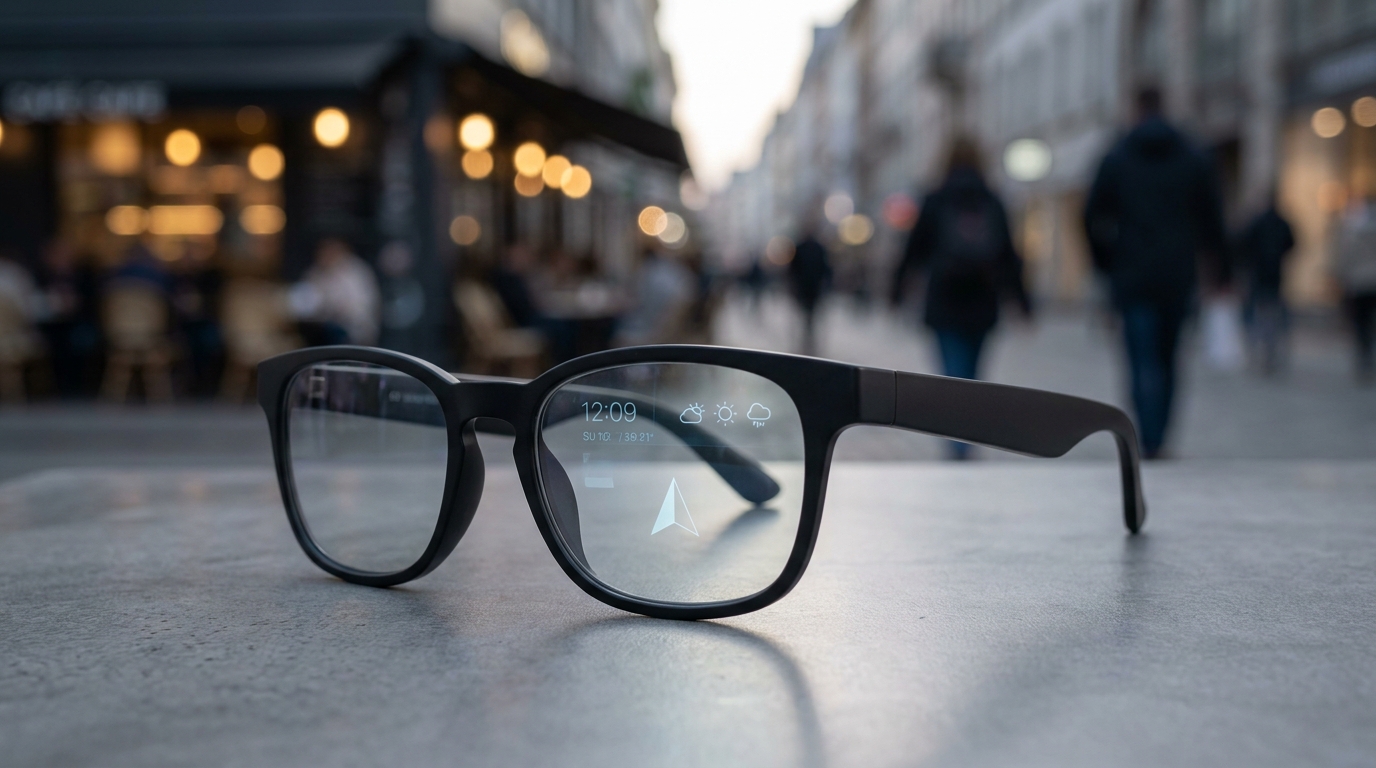
Next-generation Ray-Ban Meta glasses, codenamed Aperol and Bellini, are whispered to arrive in 2026 with facial recognition and continuous AI. These features could represent a significant leap in wearable intelligence.
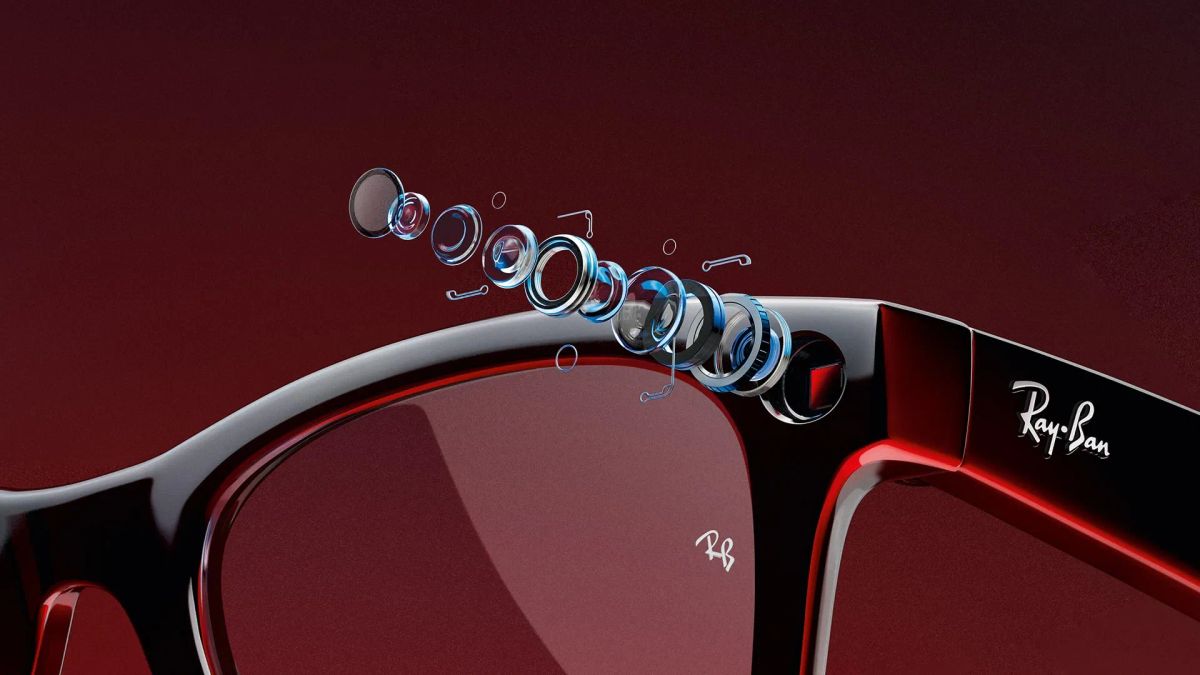
Meta is reportedly planning to launch two new smart glasses in 2026, codenamed Aperol and Bellini, which could feature facial recognition technology and always-on artificial intelligence capabilities. This information, initially reported by UploadVR on May 8, 2025, suggests an ambitious roadmap for Meta's wearable division.
According to UploadVR, citing a report from The Information, these upcoming devices are distinct from the rumored 'Hypernova' smart glasses, which are expected to be a higher-end product with a head-up display. Aperol and Bellini are instead positioned as the next iteration of the mainstream Ray-Ban Meta glasses line, building on the success of the current model, which has sold 2 million units since its late 2023 release.
UploadVR details that the 2026 smart glasses may include an optional 'super sensing' feature. This would allow the Live AI, currently available on existing Ray-Ban Meta glasses, to operate continuously for 'hours' rather than being limited to approximately 30-minute sessions. The outlet suggests this persistent AI could offer contextual reminders, such as prompting users to pick up keys or purchase dinner ingredients.
Video: Meta on YouTube
The facial recognition capability, which Meta is reportedly 'exploring,' could assist users by reminding them of someone's name. A significant point of discussion highlighted by UploadVR is the status of the camera's white LED indicator. While it currently activates whenever the camera is in use for capture or AI, Mark Zuckerberg has 'questioned' whether it could remain off in Live AI mode, an idea Meta is reportedly 'weighing.'
This shift in privacy considerations, including less authority for Meta's privacy and legal teams to block product innovations, was previously reported by The Information in February. UploadVR emphasizes that these developments indicate a broader change in how Meta prioritizes product development versus privacy safeguards within its decision-making processes.
Our take: The potential inclusion of facial recognition and persistent AI in consumer smart glasses raises substantial privacy and ethical questions that Meta will need to navigate carefully. While the utility of such features is clear, the prospect of always-on sensing technology capable of identifying individuals in public spaces is likely to spark significant debate. This aggressive roadmap underscores Meta's commitment to the smart glasses segment, pushing boundaries that could redefine personal computing and interaction, but also challenge established norms of privacy and public consent.
Interactive guide — prices, displays, cameras, battery.
Share this story