News · Meta
Meta's Ray-Ban AI Glasses: Privacy Fallout and Retaliation Claims
Amid allegations of content moderators viewing explicit footage from Ray-Ban AI glasses, Meta abruptly terminated its contract with a Kenyan moderation firm. This move has sparked accusations of retaliation against workers who spoke out.
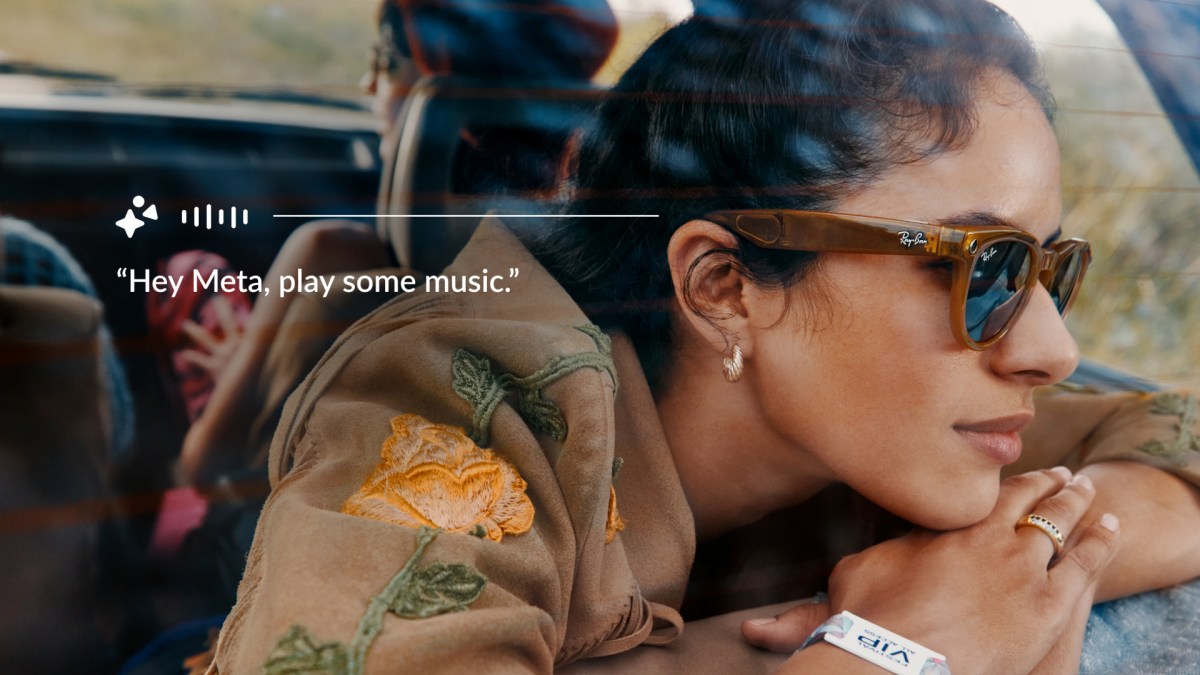
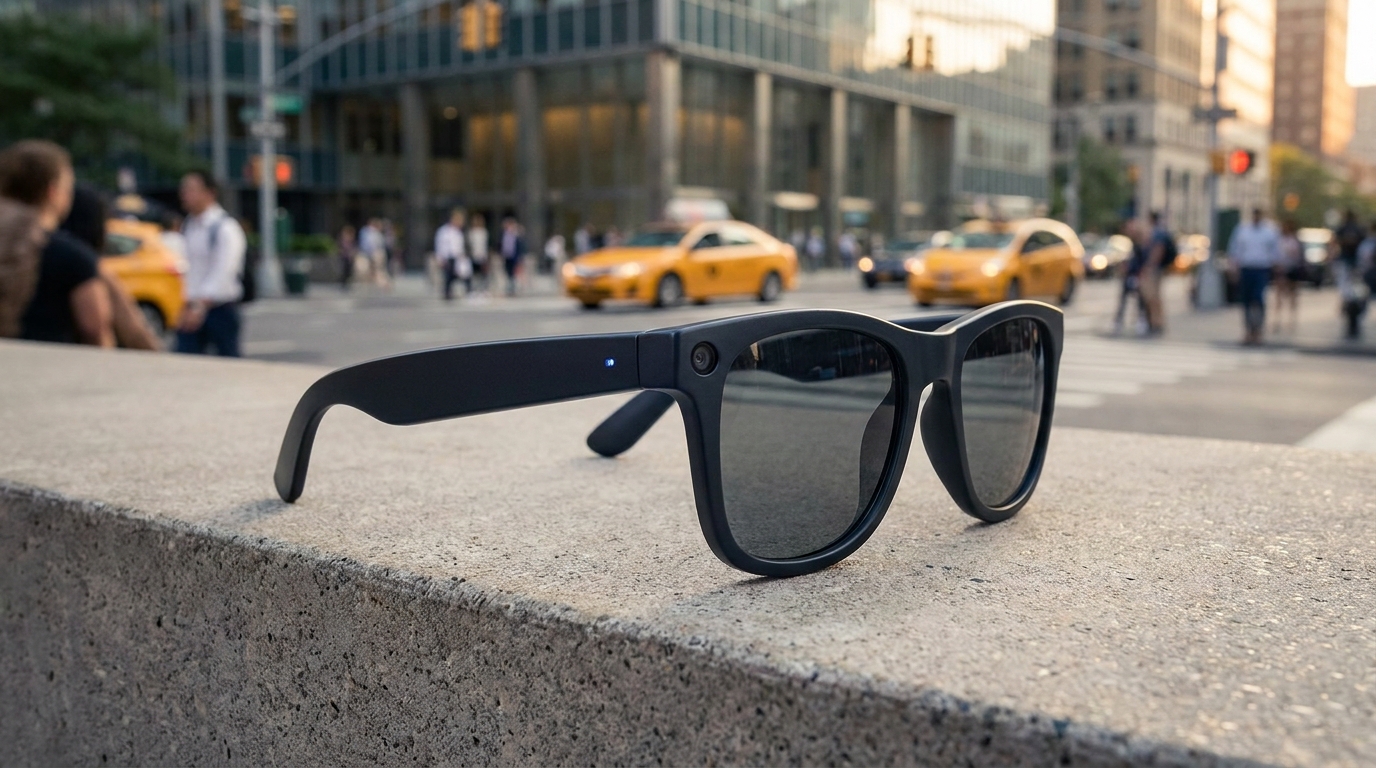
On May 3, 2026, concerns around Meta's Ray-Ban AI glasses escalated following reports of content moderators in Kenya being exposed to disturbing private footage. Futurism reports that earlier in the year, workers for Meta contractor Sama told Swedish newspapers _Svenska Dagbladet_ and _Göteborgs-Posten_ they were compelled to review intimate content captured by Meta's AI-powered smart eyewear.
These alleged recordings included users who were naked, using the toilet, or engaged in sex acts. One particularly egregious instance described a man's wife undressing after he left the glasses recording in their bedroom. As one worker told the Swedish outlets, "You understand that it is someone’s private life you are looking at, but at the same time you are just expected to carry out the work." The implication: questioning the work could lead to termination.
Two months after these allegations surfaced, Meta terminated its contract with Sama, the Kenyan company providing the moderation services. The _BBC_ reports that a Kenyan worker's organization has suggested this was a retaliatory action against those who spoke to the press. Meta denied this, telling the _BBC_ that Sama "don’t meet our standards," while insisting they take worker claims "seriously." Sama, however, maintains it consistently met all operational, security, and quality standards for Meta.
Our take: Regardless of intent, ending the contract immediately after workers went public creates a chilling effect. This incident highlights a significant ethical challenge within the AI industry: the reliance on human-in-the-loop data annotation, often performed by underpaid workers, and the privacy implications when that data originates from personal devices like smart glasses. This also fuels the "pervert glasses" narrative that has plagued Meta's smart eyewear, where despite indicator lights, users can reportedly disable or obscure recording signals, leading to unwitting captures of private moments.
The broader question for the smart glasses sector remains: how do manufacturers balance AI development with user privacy and the well-being of the workforce tasked with its refinement?
Interactive guide — prices, displays, cameras, battery.
Share this story