Analysis · —
Android XR: The Unseen Force Reshaping Smart Glasses in 12 Months
While industry titans squabble over screen-less audio peripherals vs. immersive AR displays, an often-overlooked OS is silently orchestrating a profound market shift. Android XR is poised to become the ecosystem's undisputed bedrock, fundamentally altering what smart glasses.

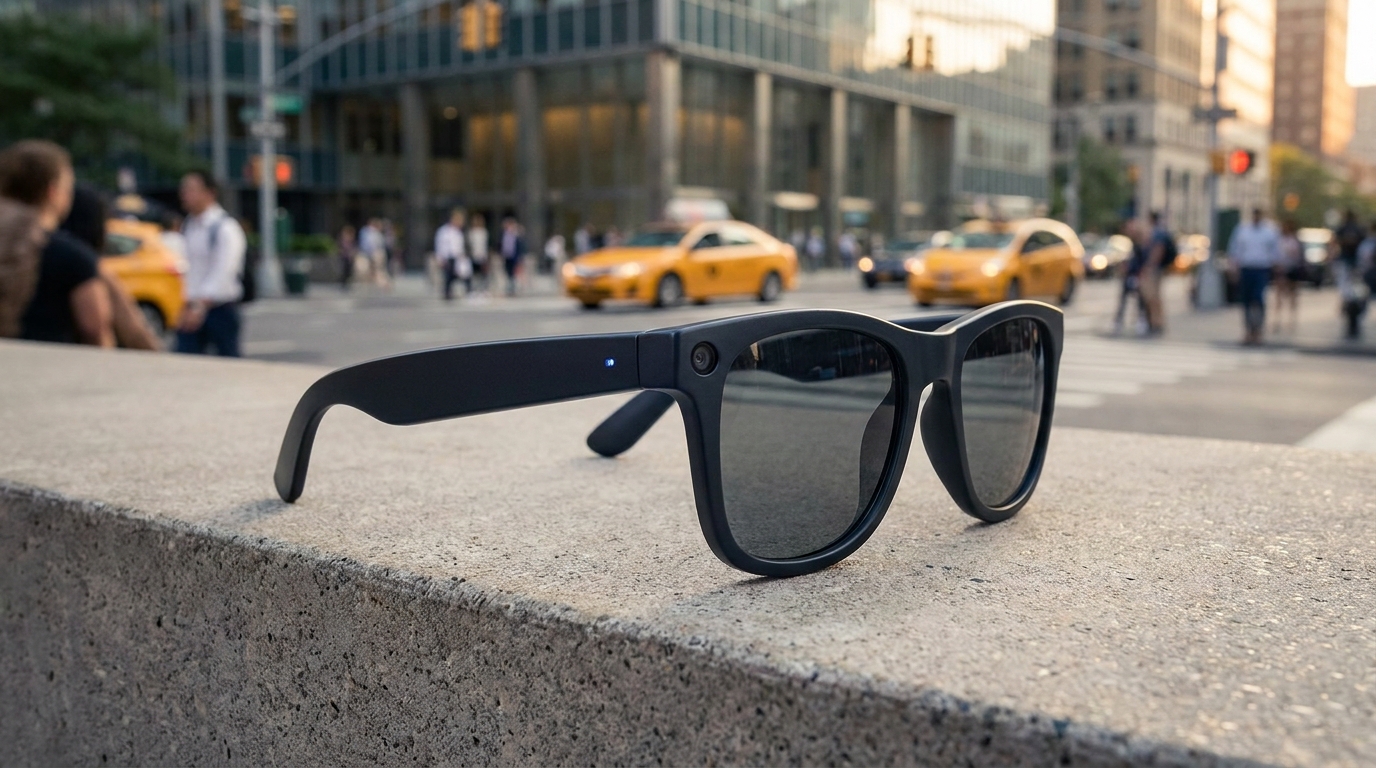
The smart glasses market is a fractured landscape, teeming with conflicting visions and competing philosophies. On one side, we have the 'ubiquity over utility' camp, spearheaded by Meta's remarkably successful Ray-Ban glasses, which have effectively normalized face-worn computers. Their strategic focus on discrete cameras, open-ear audio, and AI integration, rather than a visual display, proved that form factor and social acceptance were never the true hurdles.
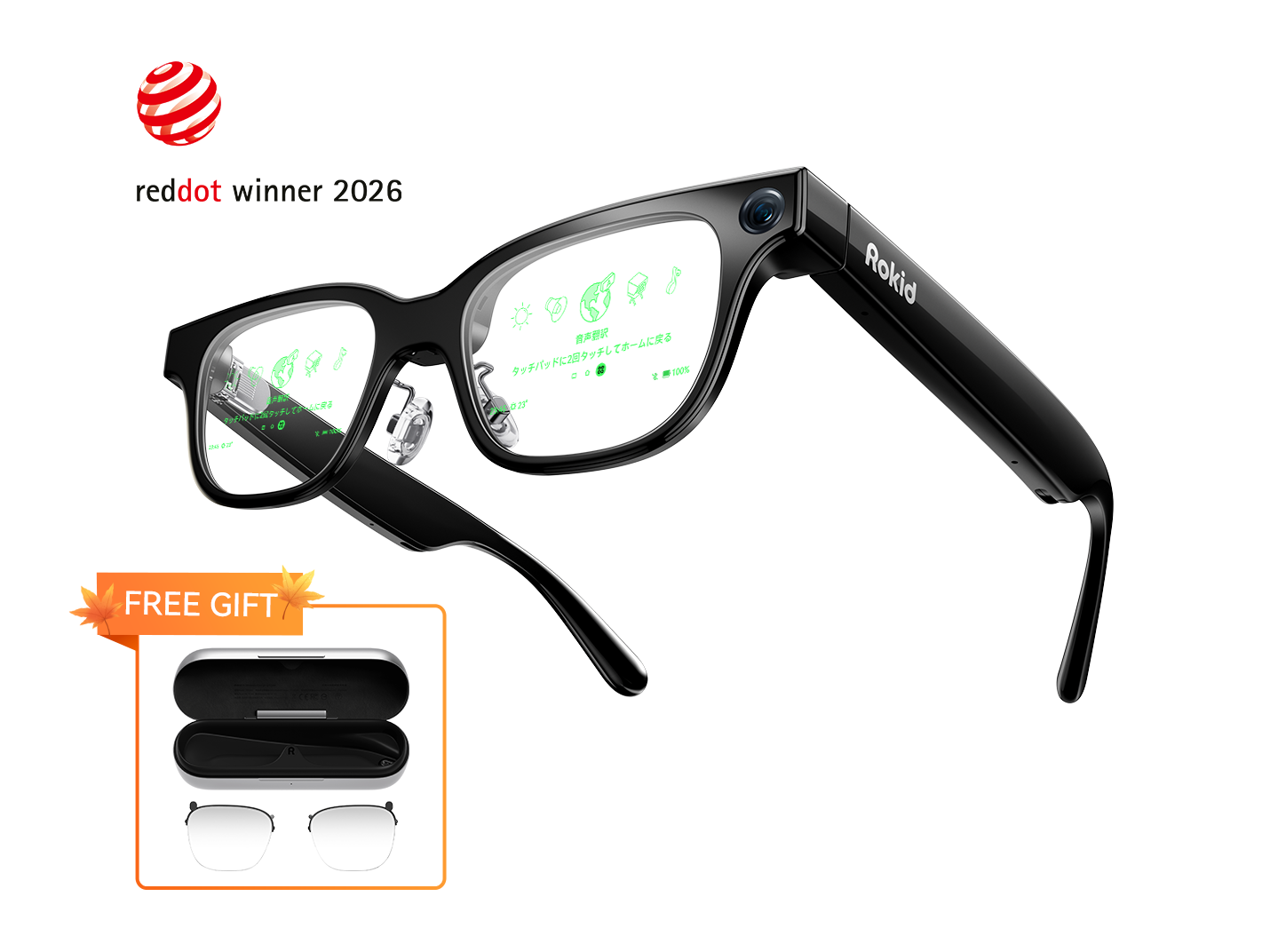
Then there's the 'display-first' contingent, where companies like XREAL, Rokid, and RayNeo are carving out significant niches by delivering actual immersive visual experiences. They understand that a smart glass without a persistent visual layer is, fundamentally, an audio wearable with a camera. Rokid, in particular, has demonstrated surprising sales traction, even outperforming Meta in certain display categories, largely due to its open ecosystem strategy.
This schism, however, obscures a more significant, underlying transformation being driven by Android XR. The imminent arrival of Samsung with its Gemini AI-powered, display-less smart glasses running Android XR is not just another product launch; it's a tectonic shift. It solidifies the 'AI co-pilot on your face' narrative, but more importantly, it positions Android XR as the default operating system for a significant portion of the smart glass market.
Samsung’s rumored specs - a Snapdragon AR1 processor, a 12MP Sony camera, and Gemini AI - point to a robust, if initially screen-less, device that will benefit immensely from a mature, adaptable OS. This choice to adopt Android XR is a direct challenge to the fragmented software approaches we’ve seen, providing a unified platform even for devices that are ostensibly just 'extensions of your phone.'
Think about what this means for developers. The 'mass market' approach, as championed by Meta and now Samsung, which strips down the hardware to essentials, is a deliberate invitation for builders. An Android XR foundation turns these simplified devices into fertile ground for innovative applications, moving beyond mere audio assistants to genuinely smart, contextually-aware experiences.
Rokid’s success already offers a glimpse into this future. Their ability to natively support multiple AI assistants on their glasses - Google's Gemini, OpenAI's ChatGPT, Alibaba's Qwen, DeepSeek - without tethering to a smartphone, highlights the power of an open and flexible operating system. Android XR will accelerate this trend, making multi-AI integration a standard, not an exception.
Within the next 12 months, Android XR will solidify its position as the de facto OS for a vast array of smart glasses, from the sleek, display-less AI companions to more visually-oriented devices. This unified ecosystem will drastically lower the barrier to entry for developers and foster a level of interoperability that current proprietary systems simply cannot match.
This isn't to say other players will disappear. Apple, with its rumored late 2026 debut focused on AI and iPhone integration, will undoubtedly carve out its own walled garden. But for the vast majority of manufacturers and, crucially, for the emerging hacker and builder community, Android XR offers the necessary scaffolding for rapid innovation and diverse application.
The implications are profound. An open, Android-based platform means an explosion of smart glass applications that can tap into the vast Android developer community. We’ll see personalized health monitoring, enhanced accessibility tools, and context-aware informational overlays emerge at an unprecedented pace, all running on a familiar, powerful OS.
The debate over screens versus screen-less will become secondary to what the underlying AI can actually *do*, and how seamlessly it integrates into our lives. Android XR provides the vital operating system to turn these AI capabilities into tangible, functional features, regardless of the display strategy.
This isn't just about 'an OS.' It's about a foundational layer that enables devices like Samsung's upcoming glasses to transcend their initial design limitations. While they might launch as 'glorified audio wearables,' Android XR provides the pathway for them to evolve, via software updates and third-party apps, into truly intelligent, indispensable tools.
The 'AI glasses superpower showdown' is not just about the hardware or the national origin of the AI. It's increasingly about the operating system that empowers that AI. Android XR, with its open architecture and massive developer base, is poised to become the silent but dominant force, dictating the pace and direction of the smart glasses ecosystem for years to come.
Interactive guide — prices, displays, cameras, battery.
Share this story