Analysis · —
The Glass Ceiling is Cracking: Open Source, No Screen, All AI for Hackers
Big Tech's AI glasses fixation is a feature, not a bug, for builders. While giants chase the elusive mass market with screen-less audio peripherals, an open-source ethos is brewing the real revolution.

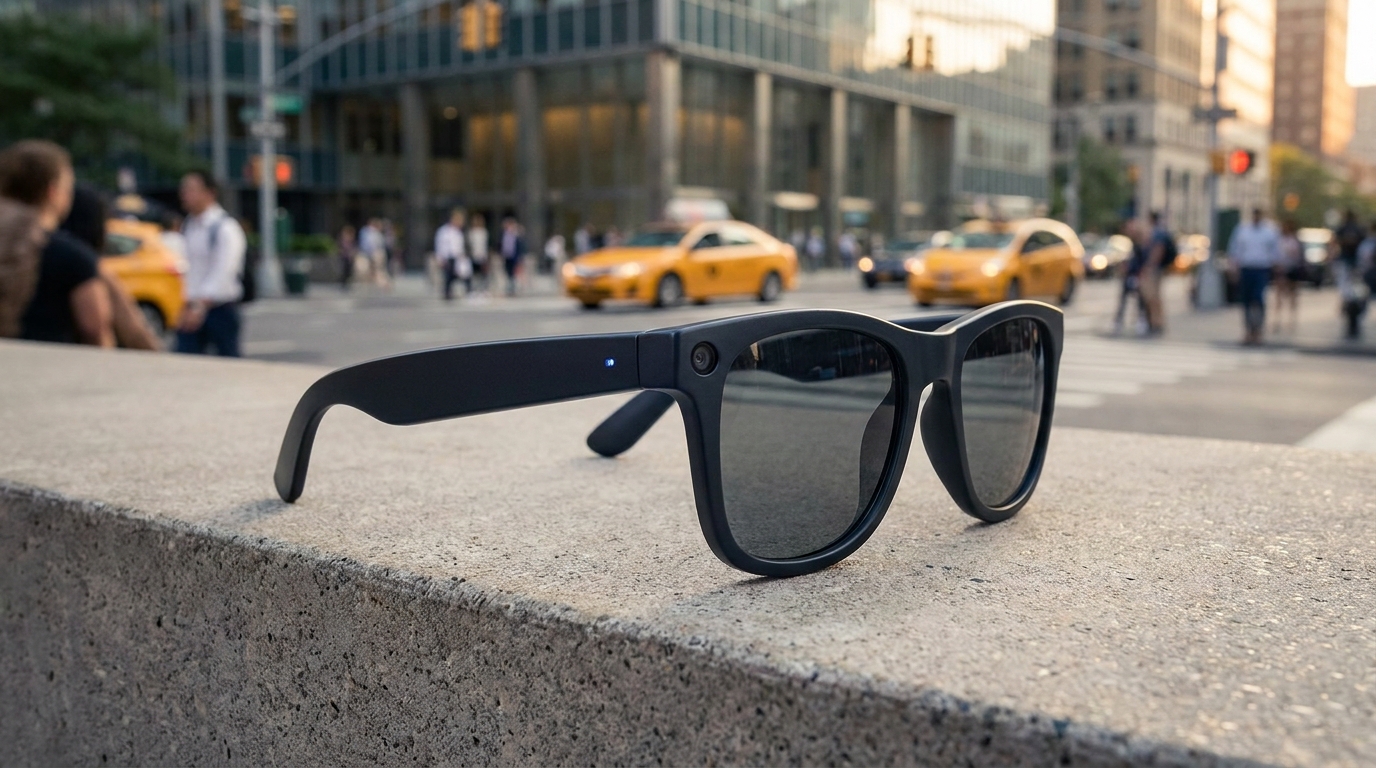
The mainstream debate around smart glasses is an exercise in futility, a broken record echoing the same tired arguments about displays versus display-less, AR versus AI, and user acceptance. Meanwhile, an undercurrent of genuine innovation is quietly empowering the very tinkerers Big Tech consistently overlooks. The 'mass market' approach, championed by Meta's Ray-Bans and Samsung's rumored Gemini AI-powered specs, eschews integrated displays in favor of cameras and audio, positioning these devices as mere extensions of your phone. This isn't a failure; it’s an invitation.
For the hacker and the builder, this deliberate simplification from the giants is a godsend. When a device is stripped down to its essential components - a camera, a microphone, discreet open-ear audio, and an integrated AI (like Samsung's rumored Snapdragon AR1 with Gemini AI) - it becomes a more accessible canvas. The reduced complexity, the absence of a clunky AR display pipeline, means fewer proprietary black boxes to contend with, and more opportunities to inject custom logic and open-source solutions.
Consider the foundational elements: a discreet camera for capturing the world, microphones for voice input, and the on-device AI for processing. Meta’s Ray-Ban's success proved that people will normalize computers on their face, especially with prescription models like Blayzer and Scriber Optics. This acceptance isn't just about fashion; it’s about a device that *doesn't* constantly demand visual attention, a true ambient computing platform.
This screen-less, AI-first philosophy, which critics like us often lament for end-users, is precisely where the open-source revolution will ignite. When the 'smart' aspect of smart glasses is primarily driven by the 'ghost in the machine' - the AI - and that AI is designed to be an always-on, perceptual co-pilot, the game changes. The emphasis shifts from rendering complex graphical overlays to intelligent data interpretation and subtle, auditory feedback.
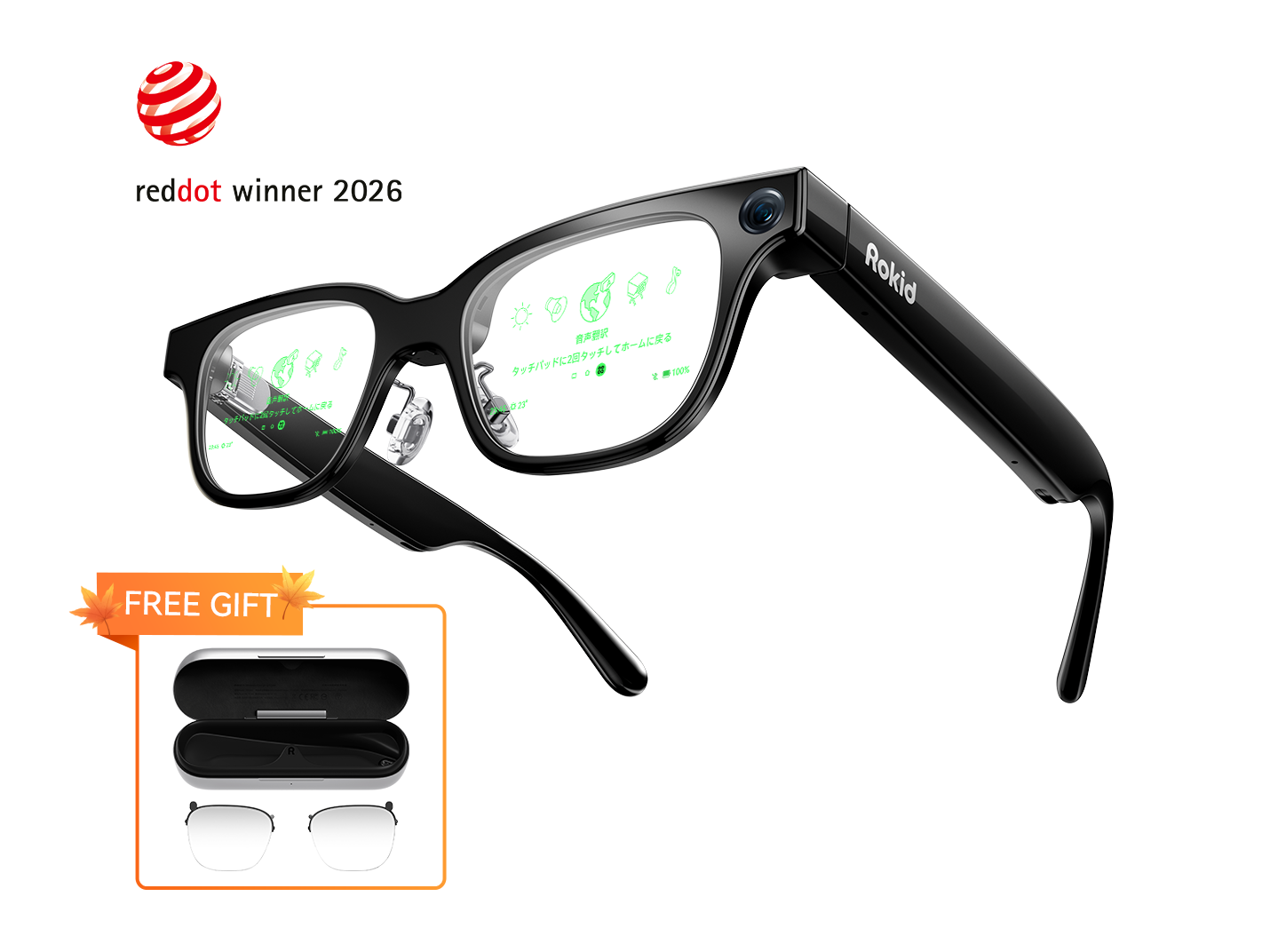
The crucial distinction lies here: if the AI is localized, if the hardware grants sufficient access to its sensor input and processing capabilities, then the actual *output* mechanism becomes secondary. Whether visual feedback is via a discreet micro-display (like those from XREAL, Rokid, or Viture’s 'Beast' XR glasses with Sony Micro-OLEDs) or through auditory cues, it’s all in service of the AI’s intelligence. And that intelligence is increasingly open to modification.
Rokid’s success provides a compelling case study. While their glasses *do* feature a display, their open ecosystem strategy - supporting multiple AI assistants like Google's Gemini, OpenAI's ChatGPT, and Alibaba's Qwen directly on-device - showcases the power of customizable AI integration. This isn't just about choice; it's about making the core intelligence of the eyewear accessible and adaptable, not locked into a single Big Tech walled garden.
The geopolitical stakes, as our 2026 forecast highlighted, are undoubtedly high. Nations will vie for control over the AI on your face. But for the individual hacker, this global struggle inadvertently creates cracks in the fortress. As more players enter the arena with foundational AI models and increasingly powerful, yet discreet, hardware-even Apple's rumored 2026 AI-focused, iPhone-integrated glasses-the surface area for interoperability and customization expands.
Imagine Mentra, or an equivalent open-source initiative, not as a competing hardware product, but as a software stack overlay for these 'dumb' (from a display perspective) smart glasses. If the foundational hardware-the camera, the mic, the onboard AI chip (e.g., Snapdragon AR1)-is made accessible, Mentra could become the operating system that unifies and customizes the otherwise disparate AI experiences.
This isn't about building a better screen; it's about building a better brain for the device. If Meta and Samsung are providing the sensory organs and a basic nervous system, the open-source community, fueled by projects like Mentra, can build the high-level cognitive functions. They can choose to process data locally, integrate with open-source LLMs, or even route information to self-hosted AI instances, reclaiming agency from corporate servers.
The 'screen-less folly,' as we provocatively termed it, for end-users obsessed with AR overlays, is the hacker's paradise. It means less effort reverse-engineering complex display pipelines and more focus on the really interesting problem: how do we augment human perception and cognition using AI, delivered subtly and intelligently? The answer lies not in a more advanced screen, but in a more open and programmable AI.
The true innovation won't come from Big Tech dictating what you see or hear, but from builders who can interject their own intelligence into these ubiquitous face computers. When the default experience is streamlined to its sensor inputs and AI processing, the opportunity for truly personalized, privacy-respecting, and powerful AI-driven assistance becomes tangible. And that, fundamentally, is the hacker's dream.
So, while others debate the pixels, the true visionaries are seeing beyond the glass. They're seeing a future where the intelligence, the real 'smart' in smart glasses, isn't proprietary, but open, adaptable, and ultimately, user-controlled. The battle isn't for your eyes; it's for the soul of the AI that mediates your reality.
Interactive guide — prices, displays, cameras, battery.
Share this story