Analysis · —
Android XR: The Silent Apex Predator Reshaping Smart Glasses in 12 Months
Big Tech is chasing ghosts, fixated on screen-less AI or an AR fantasy, while Android XR is poised to become the undisputed bedrock of the smart glasses ecosystem. Its subtle ubiquity will fundamentally redefine what 'smart' eyewear even means.

The smart glasses market, a perpetually fractured landscape, is about to unify under an unexpected banner: Android XR. While the industry fixates on the superficial - whether a device has a screen, a camera, or a celebrity endorsement - a foundational shift is underway. The true battle is not over form factor, but over the underlying operating system that powers the always-on AI assistant now considered table stakes.
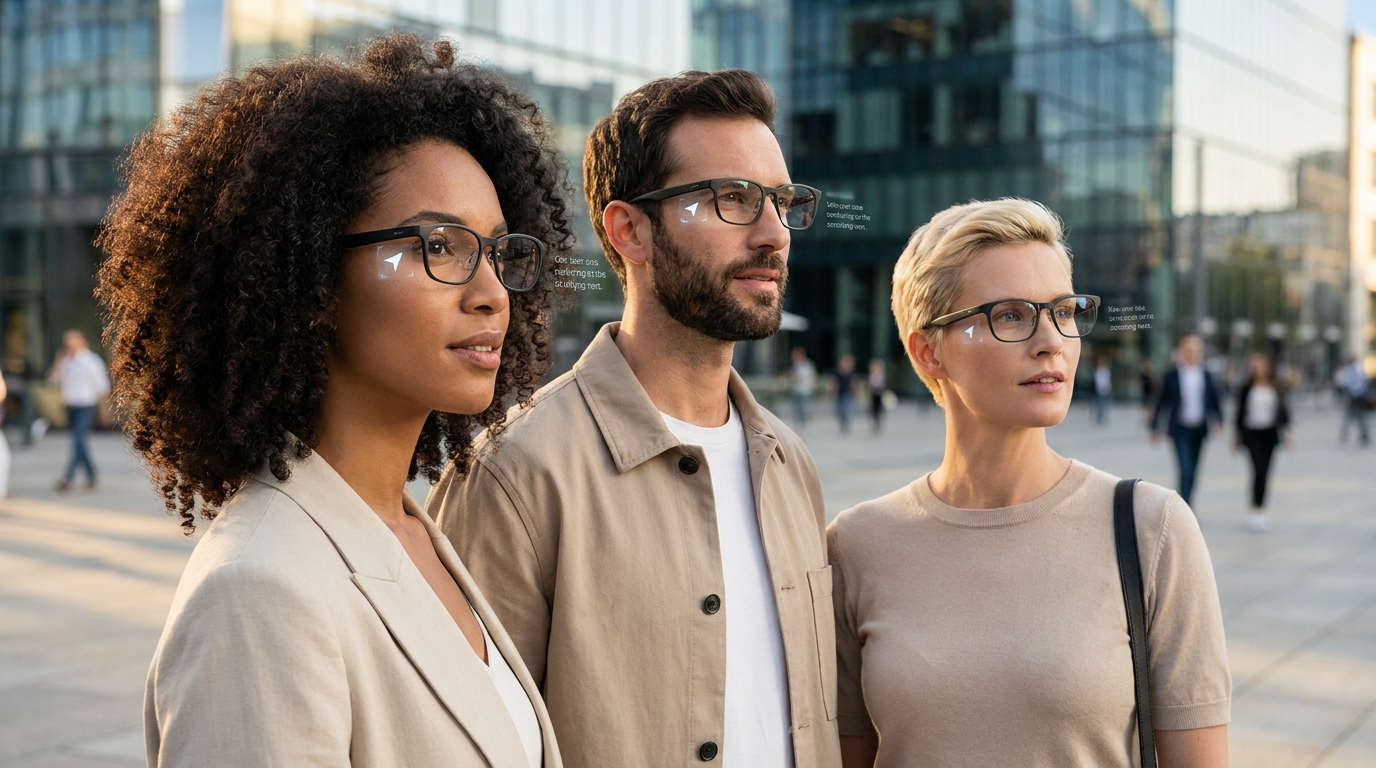
Meta's Ray-Ban collaboration, undeniably successful, settled the 'wearability' debate. Its strategic focus on discreet cameras, open-ear audio, and crucial prescription integration, as seen with Blayzer and Scriber Optics, normalized face-worn tech for the masses. But the hardware was merely the Trojan horse; its screen-less nature, lauded by some as a mass-market play, leaves a critical functional void.
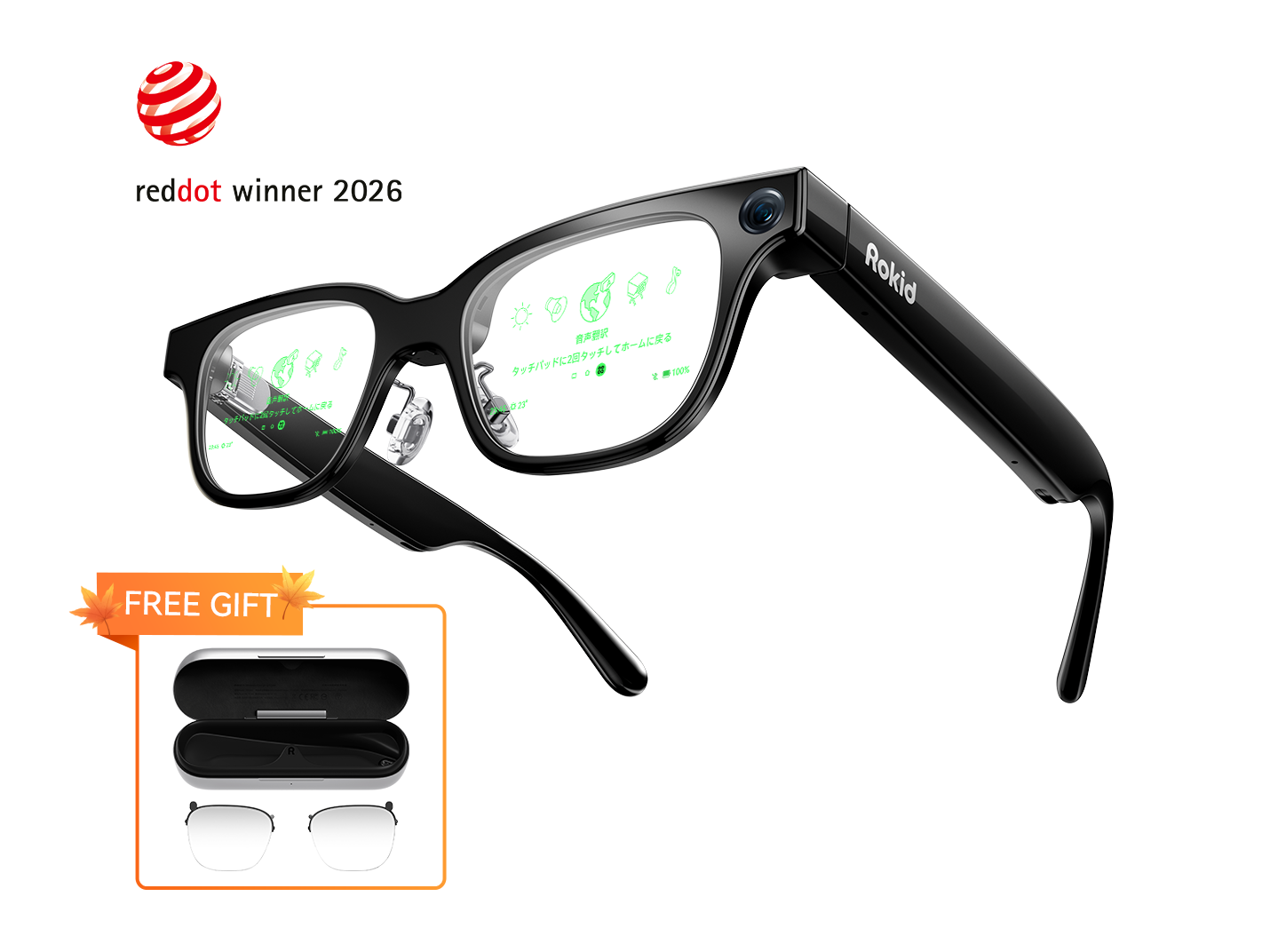
Companies like XREAL, Rokid, and RayNeo, conversely, understand the display's centrality. They're carving out significant niches by delivering actual immersive visual experiences, proving that a smart glass without a persistent visual layer is, fundamentally, an audio wearable with a camera. This 'display-first' approach, however, often comes with its own ecosystem fragmentation, lacking a dominant OS.
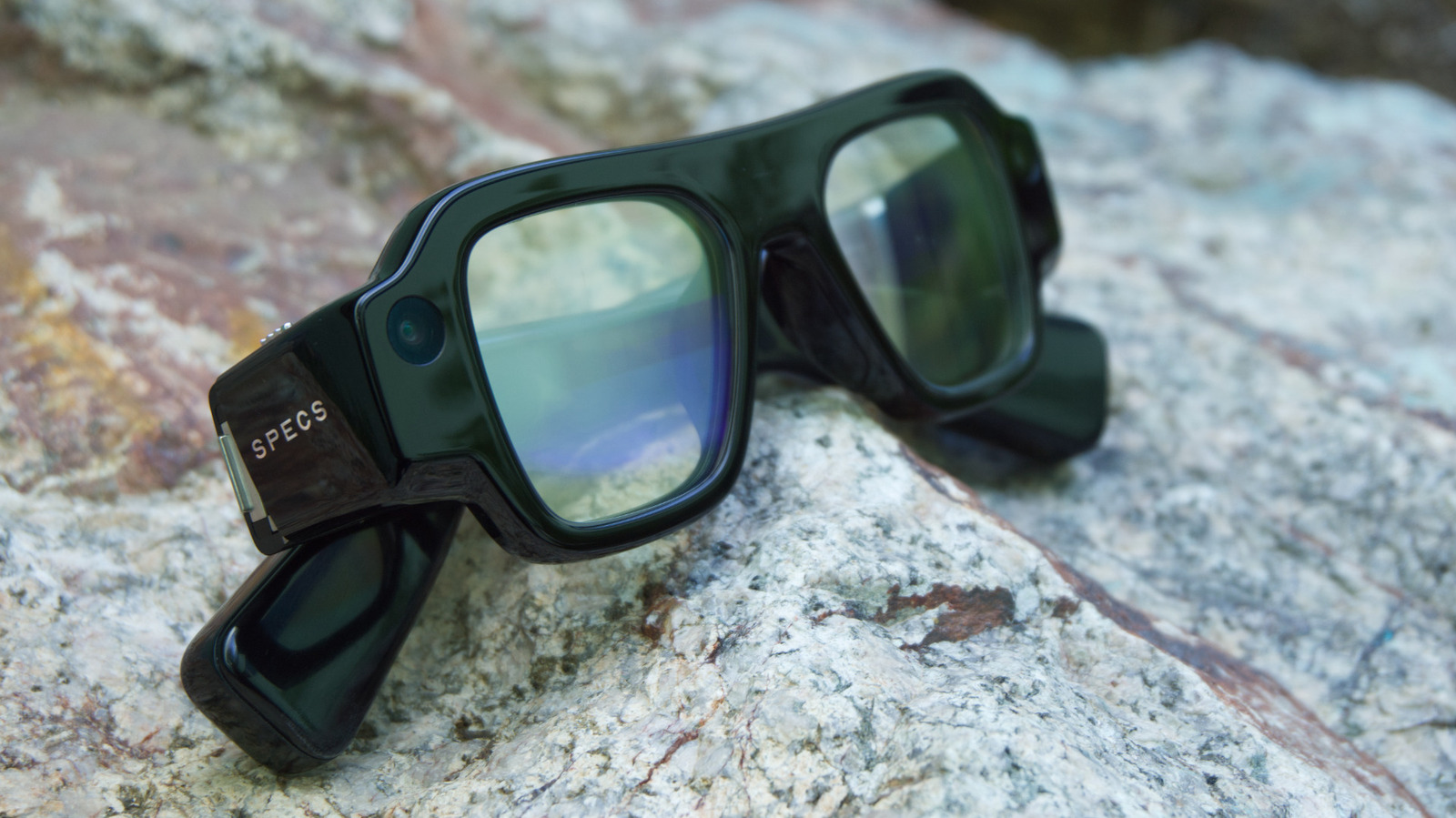
Enter Android XR. The leaked Samsung smart glasses, reportedly running on an Android XR platform with Gemini AI, are the canary in the coal mine. This isn't just another device; it's a strategic beachhead that unites the 'ubiquity over utility' ethos of Meta's hardware with a robust, scalable software environment.
Samsung, with its manufacturing scale and consumer electronics omnipresence coupled with Google's OS, represents a formidable threat. Their alleged display-less design, mirroring the Ray-Ban Meta, signals a shrewd play for mass adoption. But unlike Meta's closed ecosystem, Samsung's Android XR integration opens the floodgates for developers.
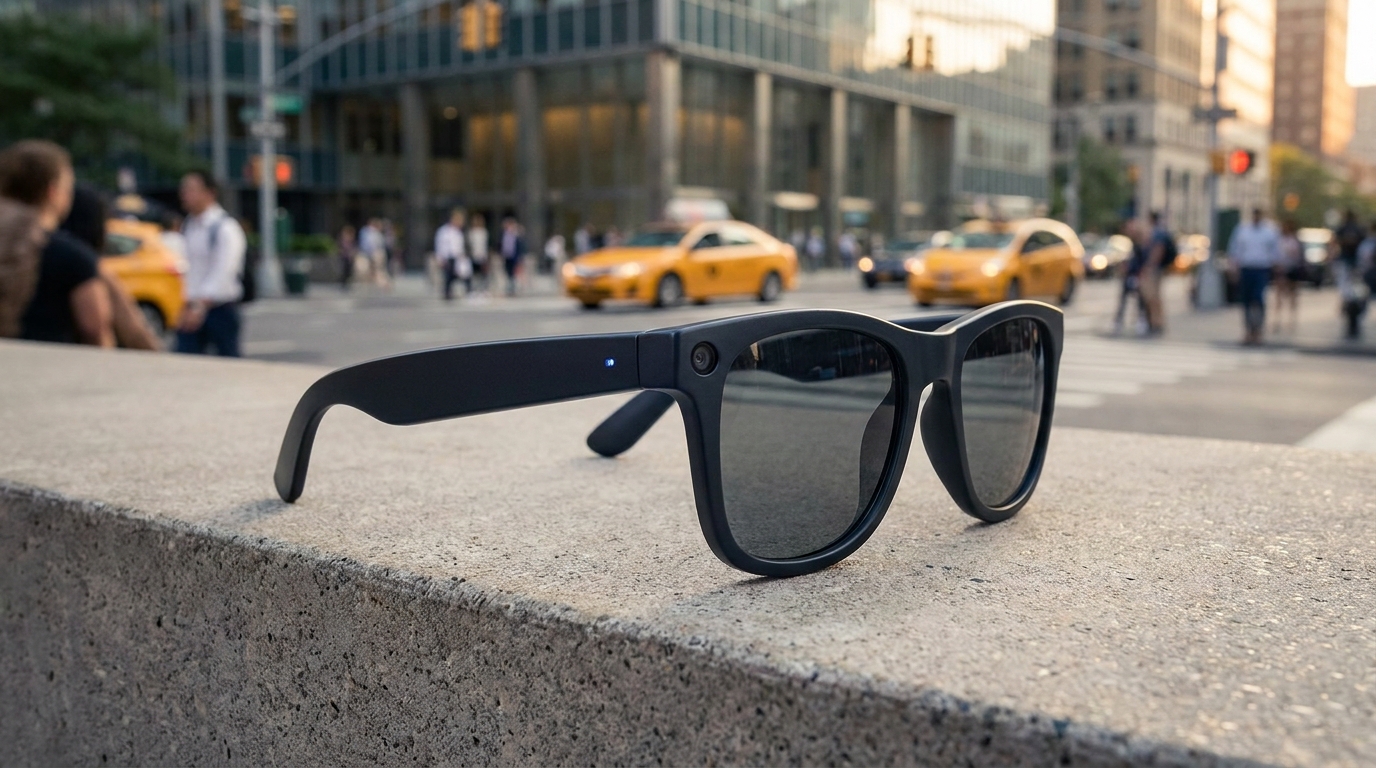
This is where Android XR becomes the silent apex predator. The deliberate simplification of hardware by giants like Samsung or Meta, often resulting in screen-less audio peripherals, isn't a failure for innovation; it's an invitation for open-source development. For hackers and builders, this stripped-down approach is a godsend, providing a camera, a microphone, open-ear audio, and soon, a standardized OS.
The 'mass market' approach, focused on AI and audio integration, is a feature, not a bug, for Android XR's expansion. It lowers the barrier to entry for device manufacturers, allowing them to focus on form factor and specialized hardware, while offloading the complex software and AI infrastructure to Google.
The geopolitical stakes are high; the 'AI Glasses Superpower Showdown' is well underway. American and Chinese companies are battling for perpetual residency on your face. But regardless of who wins the hardware race, the software backbone for the majority of these devices will inevitably be Android XR, or a closely derived variant.
This isn't about vision, it's about ubiquity. The best smart glasses, for the mass market over the next 12 months, will likely be display-less and AI-powered, but crucially, they will be Android XR-driven. This allows for rapid iteration, broader developer support, and seamless integration into the world's most dominant mobile ecosystem.
The fragmented market, oscillating between screen-less audio wearables and clunky AR displays, will be forced to converge. Manufacturers of visual-display glasses like XREAL and Rokid will increasingly feel the pressure to adopt a standardized, flexible OS, and Android XR's prevalence in developer circles makes it the obvious choice.
We're witnessing the silent revolution-not of hardware, but of infrastructure. Android XR, by providing a robust, scalable, and increasingly ubiquitous operating system, will fundamentally reshape the smart glasses ecosystem by standardizing the AI co-pilot experience, forcing rivals to adapt or fade. The ghost in the machine is about to gain a very powerful, very open, and very Google-backed body.
Forget the screen war for a moment. The real combat is for the OS. And in that arena, Android XR is about to run the table. In 12 months, the vast majority of 'smart' glasses, regardless of their visual capabilities, will be leveraging this ecosystem, whether manufacturers admit it or not.
Interactive guide — prices, displays, cameras, battery.
Share this story