Analysis · —
The Ghost in the Machine: Your Eyewear is Now an AI
Big Tech has settled the 'wearability' debate. The real battle? Owning the always-on AI assistant mediating your reality, transforming glasses into perpetual companions.

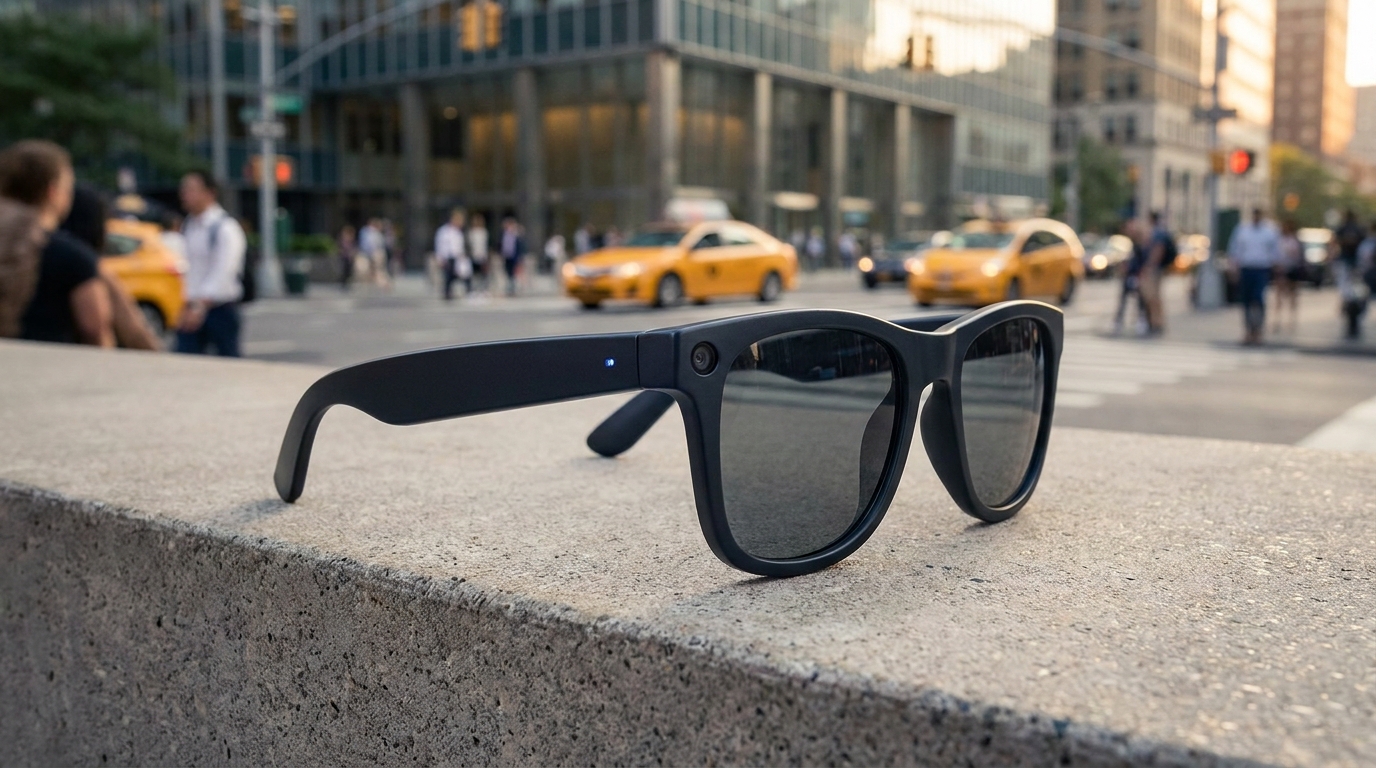
The smart glasses narrative of 2026 isn't some distant AR fantasy; it's here, and it's already on your face. The lingering question of whether humans would tolerate computers on their faces has been definitively answered, not by flashy displays, but by the understated success of Meta's Ray-Ban collaboration. By prioritizing design, form factor, and crucial features like integrated prescription models (Blayzer, Scriber Optics), Meta normalized face-worn tech for the masses, settling the antiquated 'social acceptance' debate once and for all.
But the hardware, for all its ergonomic triumphs, was merely the Trojan horse. The true prize, the tectonic shift occurring right now, is the rise of the always-on AI assistant embedded directly within your eyewear. We're witnessing the silent revolution of smart glasses transitioning from mere connected accessories to fully autonomous, intelligent co-pilots, perpetually listening, processing, and mediating our perception of reality.
The mainstream conversation, however, remains frustratingly stuck on trivialities: screen versus screen-less, AR versus AI. Meanwhile, a profound market shift is orchestrating under the hood, with Android XR poised to become the undisputed bedrock of this new ecosystem. This isn't just about an operating system; it's about a foundational layer facilitating the seamless integration of sophisticated AI directly into your visual and auditory field.
Samsung's rumored smart glasses, featuring a Snapdragon AR1, a 12MP Sony camera, and Gemini AI, exemplify this trend. They're not just another gadget; they're an integrated extension of a geopolitical sphere, designed to house and project a specific AI-driven reality. The consistent lack of a robust visual display in these major contenders underscores a calculated strategy: the display is secondary; the AI is paramount.
This 'display-less' approach, championed by Meta and now seemingly adopted by Samsung, isn't a failure, it’s an invitation for the AI to take center stage. When a device is simplified to essential components-camera, microphone, discreet open-ear audio, and an integrated AI-it creates a fertile ground for the real revolution. These are not 'smart' glasses in the traditional sense; they are intelligent audio wearables with recording capabilities, and their intelligence is the primary feature.
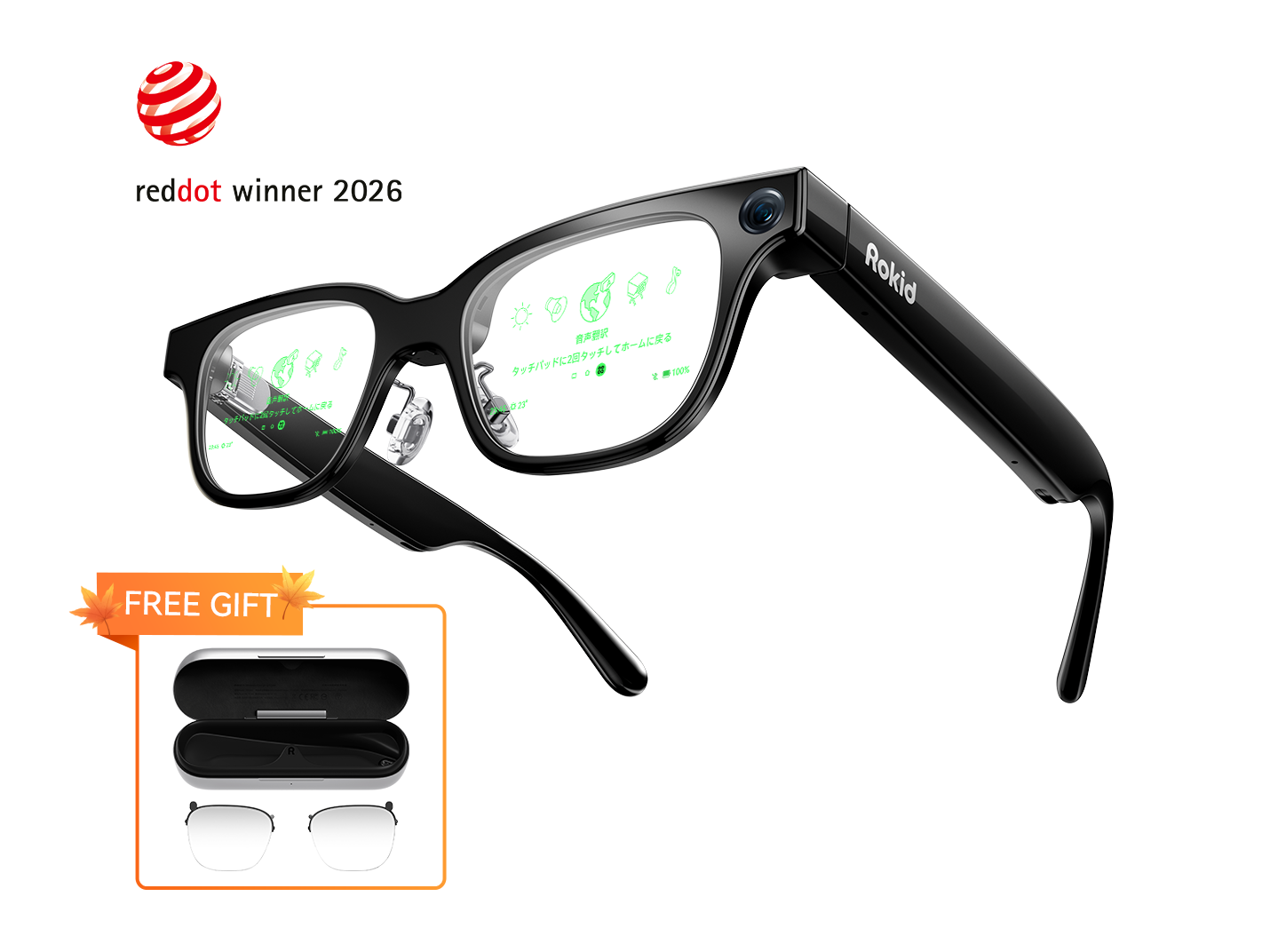
Indeed, for the hacker and the builder, this deliberate simplification is a godsend. While major players chase mass-market adoption via ubiquitous, screen-free form factors, an open-source ethos is brewing. The ability to integrate multiple AI assistants, as demonstrated by Rokid's surprising ascent, shows a clear path forward where the user, not the OEM, dictates the AI experience.
Rokid, a dark horse in this race, has quietly outstripped giants in sales of its AI-enabled glasses, powered by an open ecosystem supporting Google's Gemini, OpenAI's ChatGPT, Alibaba's Qwen, and DeepSeek. This proves the market's hunger for AI choice, not just AI presence. The intelligence, not the pixels, is the differentiator.
The 'superpower showdown' for 2026 isn't about traditional AR headsets; it's a brutal competition for whose AI lives on your face, discreetly, perpetually. This marks a critical pivot in the smart glasses narrative, shifting focus from mere hardware specifications to the underlying algorithms and their geopolitical implications.
Even Apple, reportedly eyeing a late 2026 debut, seems to be focusing heavily on AI-driven features and iPhone integration, deliberately sidestepping a 'full augmented reality experience' in favor of an AI-first approach. Huawei, too, enters the fray with HarmonyOS-powered glasses, reinforcing the industry's collective pivot toward intelligent assistants over complex visual overlays.
The persistent absence or inadequacy of a visual component in much of the current generation of smart glasses is not an oversight. It's a strategic decision. The industry recognizes that the real battle isn't for pixel density or immersive visuals; it's for owning the AI on your face, discreetly and perpetually.
This intelligence, the 'ghost in the machine,' is what mediates your reality. It anticipates your needs, provides information before you ask, and subtly influences your interactions with the world. Your glasses are no longer just an extension of your smartphone; they are becoming an extension of your cognitive process, always on, always ambiently aware.
The 'smart' in smart glasses has profoundly evolved. It's no longer about displaying information; it's about processing it, interpreting it, and delivering actionable intelligence via audio, discreet haptics, or, eventually, fleeting visual cues. The eyewear becomes both the sensor and the primary interface for your personal AI.
We are entering an era where your glasses are not just 'smart' but 'intelligent,' housing an always-on AI co-pilot that is a constant, subtle presence. This is the true mass-market play, and the companies that own this AI - and the ecosystem it operates within - will own the future of face-worn computing.
Interactive guide — prices, displays, cameras, battery.
Share this story