News · Meta
Meta Ray-Ban BOM Breakdown: Optics Drive Cost, Users Prioritize Camera
New analysis of Meta's hardware bill of materials reveals optics account for nearly half the cost. Meanwhile, a survey of Chinese smart glasses buyers indicates cameras and AI, not display tech, are the key drivers of user satisfaction.

This week, an insightful report published by www.linkedin.com, drawing on Wellsenn XR teardowns and surveys, offers a critical look at the economics and user behavior shaping the AI smart glasses market. The data, focusing on Meta's Ray-Ban smart glasses and Alibaba's Quark AI Glasses S1, highlights a fundamental disconnect between hardware investment and user demand.
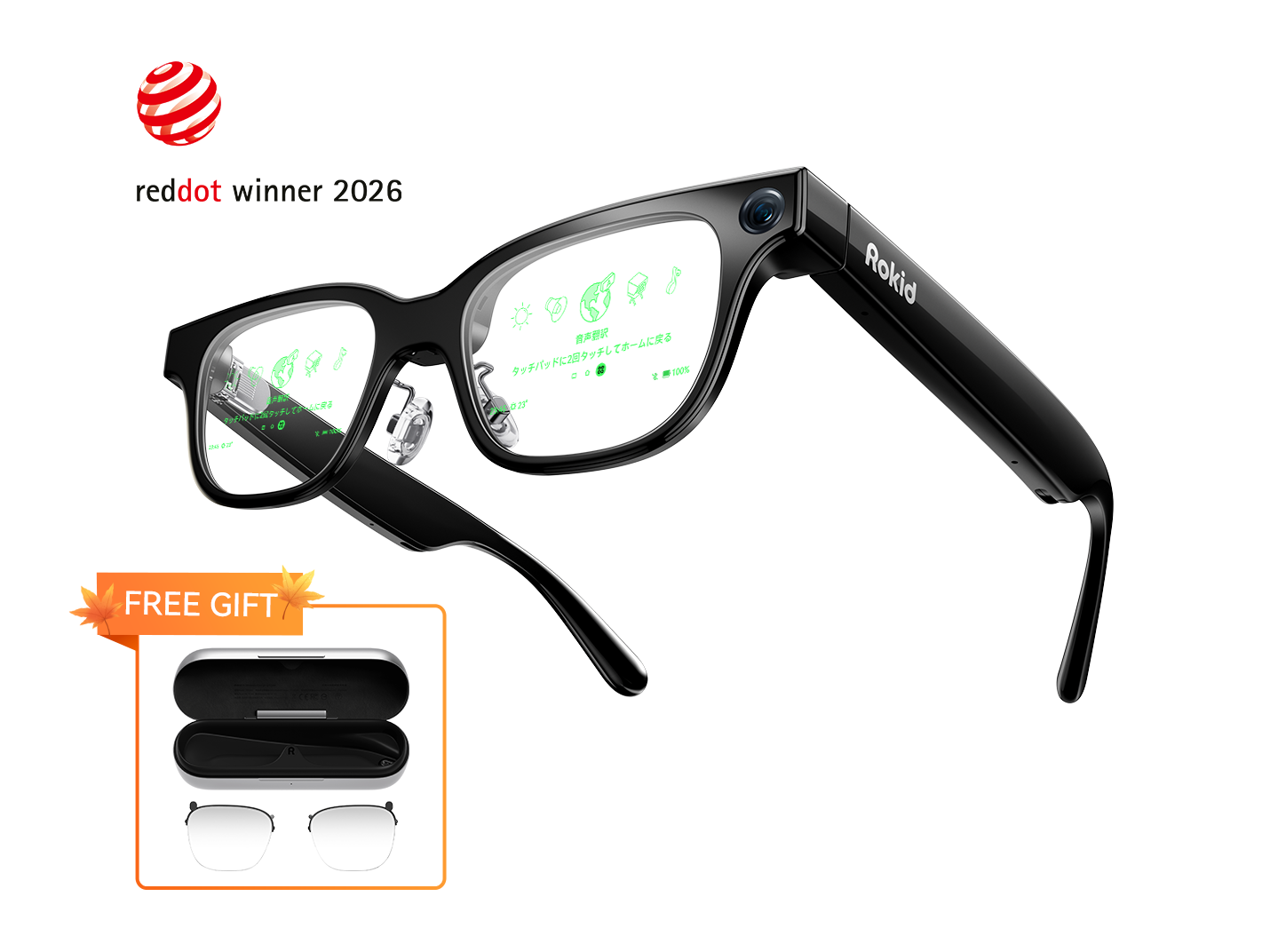
According to www.linkedin.com, the hardware bill of materials (BOM) for Meta's $800 Ray-Ban Display glasses is approximately $553.79. The most significant cost component, a staggering 45% of the total BOM, is optics, amounting to around $250. The waveguide lens alone, sourced from Schott/Lumus and paired with an OmniVision LCoS micro-display, contributes roughly $150, or 27% of the BOM. By contrast, the Qualcomm Snapdragon AR1 Gen 1 SoC, often highlighted in product discussions, represents a mere $54, or 9.76% of the total cost.
What this means: The chip is a fraction of the glass cost. As www.linkedin.com points out, control over high-yield, low-cost waveguide manufacturing will be the true competitive advantage, not chip design. Furthermore, the report indicates that the supply chain is not yet China-centric. Approximately 61% of the BOM value originates from overseas suppliers, with the U.S. accounting for 39%. China's share is around 28%, indicating a continued reliance on Western optics and silicon.
On the demand side, Wellsenn XR surveyed 200 verified buyers of Alibaba's Quark AI Glasses S1. The findings, reported by www.linkedin.com, present a stark reality check: users prioritize the camera, not the display. Photo and video capture emerged as the most-used feature, followed by AI Q&A and navigation. Despite the display being the most expensive component, users consider it "good enough," with 77% rating the experience above 80/100, yet 51% desire higher brightness. The survey also revealed that battery life is a universal complaint, even with fast charging.
The buyer demographic remains narrow: 91% male, skewed towards consumers born between 1980 and 2000. Our take: This confirms the AI glasses market is still in its early adopter phase. www.linkedin.com astutely notes that the category is being sold on display capabilities but is primarily used for camera and AI voice functions. This mismatch signals a critical product strategy adjustment for manufacturers.
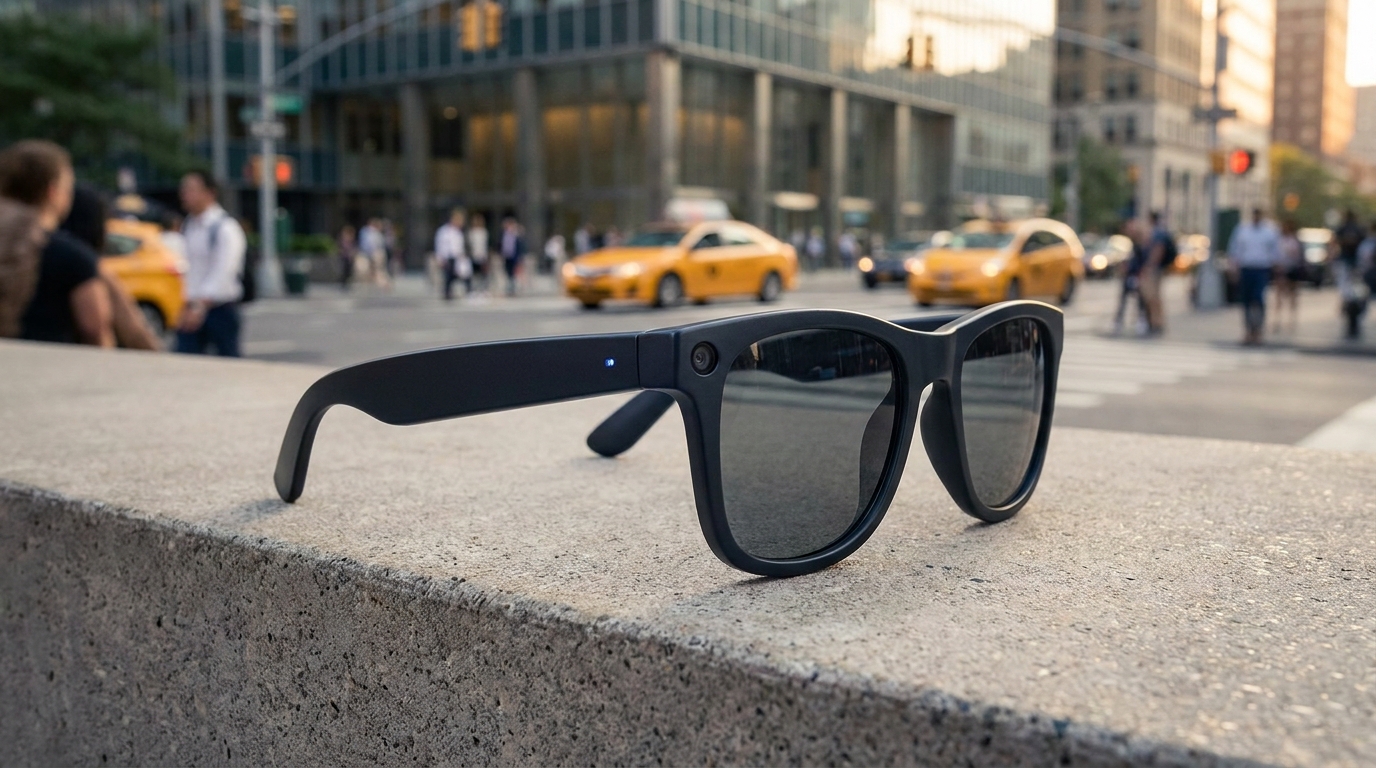
For the near future, www.linkedin.com suggests that winning hardware will likely be "camera-first AI glasses with a restrained, ultra-bright monochrome HUD," rather than complex, full-color AR displays that inflate BOM costs and reduce battery life. Prioritizing optics cost efficiency over maximalist specifications, treating the camera as the primary feature, and solving battery life limitations before adding pixels are key strategic imperatives for success.
Interactive guide — prices, displays, cameras, battery.
Share this story