Analysis · -
Kickstarter Is Screaming: The Smart Glasses Revolution Is Here and Pundits Are Missing It
A wave of smart glasses projects are smashing crowdfunding goals by thousands of percent. This isn't a fluke, it's a roar of consumer demand for a future that has officially arrived.
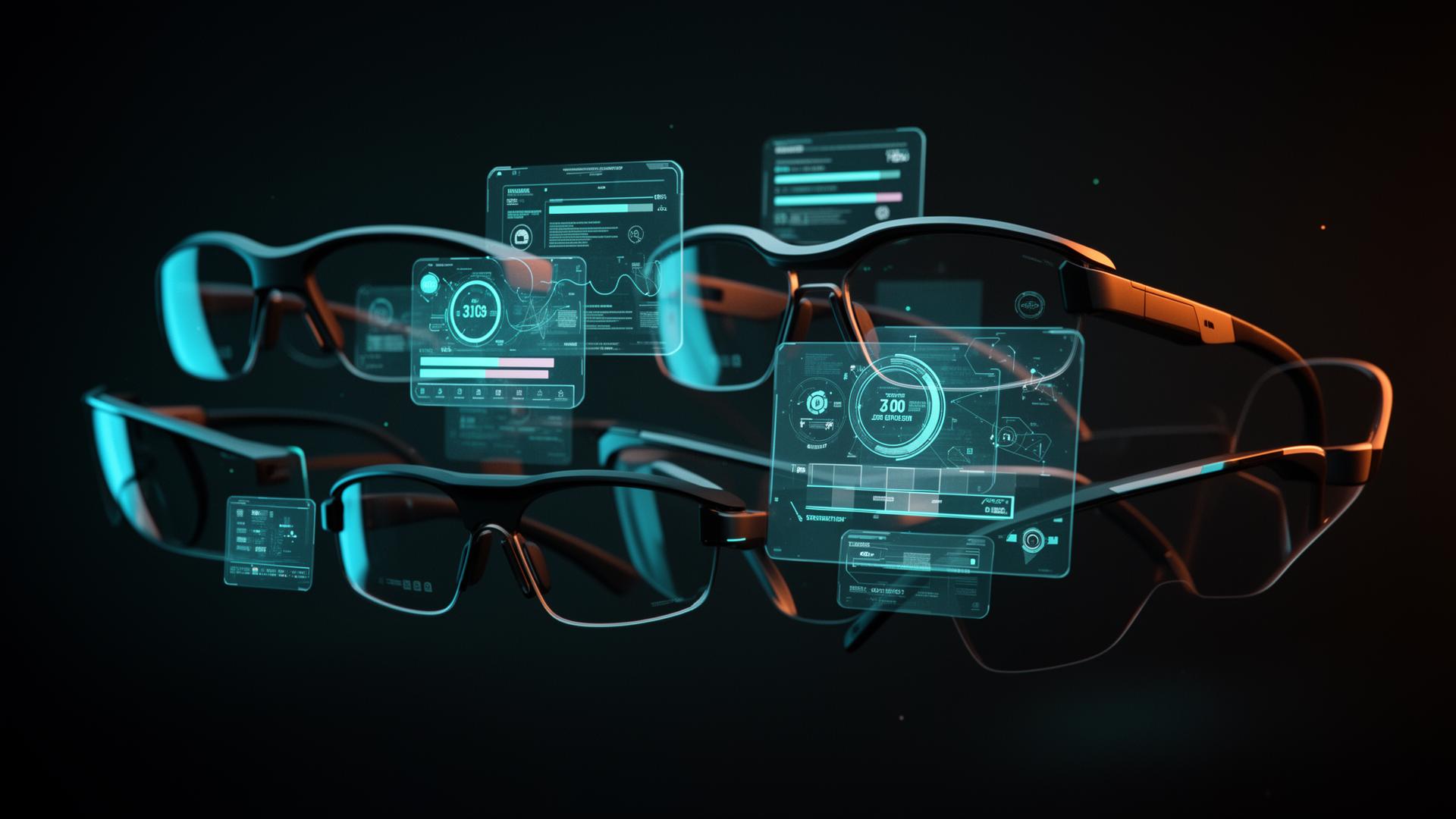
If you want to know the future of personal computing, stop reading corporate press releases and start looking at Kickstarter. While the tech world obsesses over every incremental move from Apple and Meta, a seismic shift is happening at the grassroots level. A new category of device isn't just emerging, it's exploding with a force that makes the early days of smartwatches look quaint.
The category is smart glasses, and the evidence is a string of crowdfunding campaigns so successful they defy conventional logic. We're not talking about modest wins. We are talking about projects that aren't just meeting their goals but obliterating them, signaling a massive, pent-up public hunger for eyewear that the mainstream press continues to underestimate.
Let's get specific. Consider five recent campaigns that collectively raised roughly $5 million from over 7,500 backers on goals totaling less than $90,000. Brighton, Colorado's VIZO Z1 Pro, a set of high-def cinema glasses, asked for a mere $1,000 and raised an astronomical $662,609. That is a funding level of 66,261 percent. Read that number again.
This isn't an isolated event. Everysight's Maverick AI glasses, a full-color AR project out of Seattle, sought $10,000 and pulled in a staggering $1,393,942, overshooting by 13,939 percent. The Hong Kong-based company INMO saw two massive hits: the INMO Air2 smashed its goal by 4,519 percent, and its newer INMO GO3 is currently sitting at 4,491 percent funded with time to spare.
Even the most 'modest' performer on this list is a runaway success. TQSKY's T1 gaming and cinema glasses, a project from Singapore, aimed for S$28,000 and ended with S$448,574, a 1,602 percent victory. These are not statistical outliers. They are a clear, undeniable pattern of a market that has been activated and is voting with its wallet.
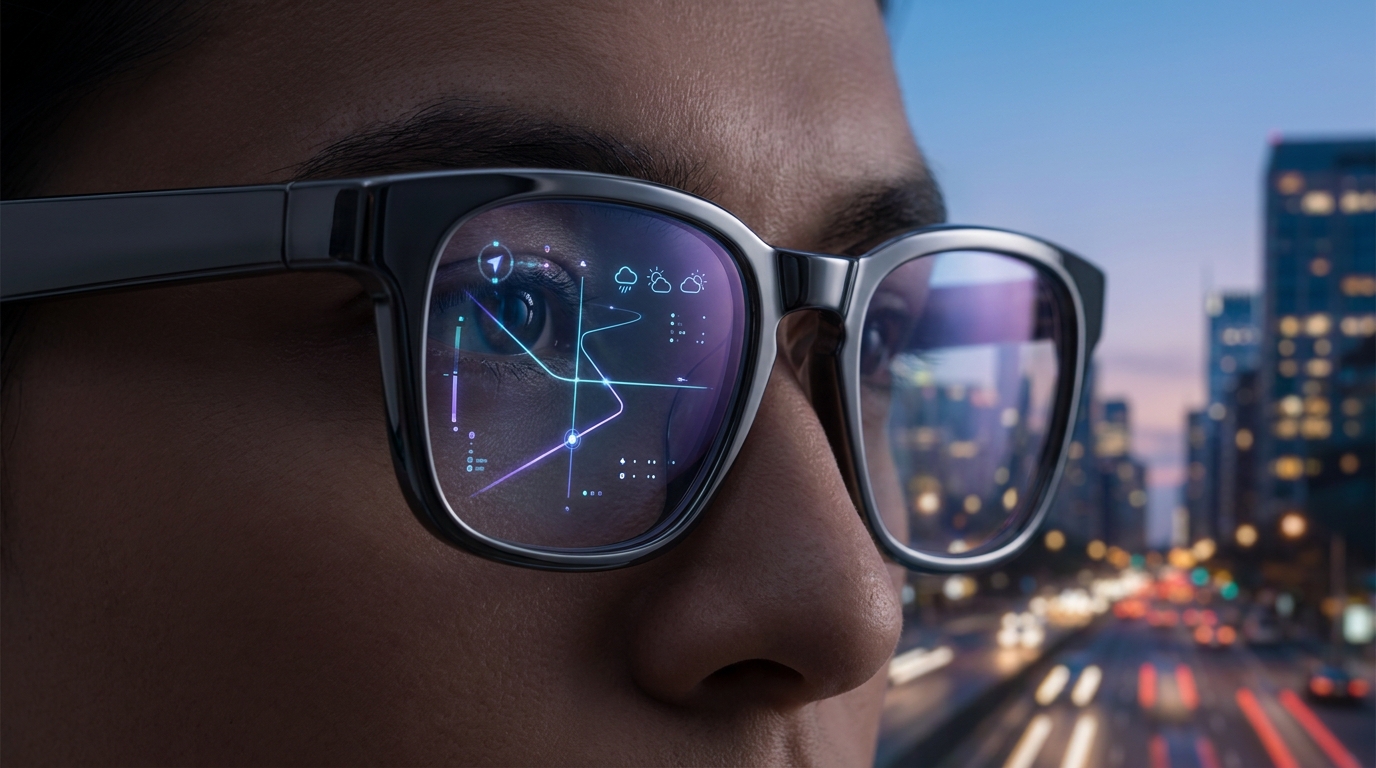
What this tells us is that the consumer is ready, right now. The public's imagination has been captured, and their patience for the slow, iterative roadmaps of tech behemoths has worn thin. They see the promise of heads-up displays, instant translation, and private cinemas, and they are willing to back nascent companies to get it.
We have to give credit where it's due: the Ray-Ban Meta moment was pivotal. For all their limitations, those glasses were the crucial training wheels for society. They normalized the idea of wearing a computer on your face, decoupling the form factor from the geeky niche it once occupied.
That crucial act of normalization primed the pump. It made the public comfortable with the hardware, creating the perfect opening for companies to introduce the real prize: a display. The Kickstarter backers of today are the early adopters who were warmed up by Ray-Ban and are now demanding the next level of functionality.
Look at the global nature of this race. This is not just a story written in Silicon Valley. The success is split between American outfits like VIZO and Everysight and an aggressive cohort of companies from the China-Hong Kong-Singapore tech corridor, like INMO and TQSKY. Innovation in this space is decentralized, fast-moving, and happening everywhere.
The diversity of use cases is just as telling as the funding totals. This isn't a market converging on a single killer app. It's a market diverging to serve a multitude of needs, a sign of true maturity.
On one end, you have hyper-functional devices like the INMO GO3 and Everysight Maverick AI, which are built around powerful utilities like live, multi-language translation and AR navigation. These are tools designed to augment your daily reality and make you more capable. They are about productivity and information.
On the other end, you have pure entertainment powerhouses. The TQSKY T1 and VIZO Z1 Pro are not trying to change how you work, they're changing how you play. They offer massive, private, high-refresh-rate virtual screens for gaming and movies, untethering big-screen experiences from the living room.
This grassroots tidal wave puts established players like Meta, Apple, XREAL, and Rokid in a fascinating position. While they invest billions in developing vertically integrated ecosystems, these smaller, agile companies are proving out specific markets and building loyal communities. The smart glasses race doesn't have a clear frontrunner, because it's being run on multiple tracks at once.
So, ignore the pundits debating whether the world is 'ready' for AR glasses. The data is in, and the verdict is clear. Thousands of people have already paid for the future. The smart glasses revolution isn't coming, it's being crowdfunded right now.
Interactive guide — prices, displays, cameras, battery.
Share this story