Manufacturer News · Google
Google-Powered Gemini Smart Glasses Arrive This Fall to Challenge Meta
Google is officially launching its Gemini-powered smart glasses this fall, partnering with Warby Parker and Gentle Monster. These new devices will directly challenge Meta's market dominance, though notably, they will debut without an integrated display.
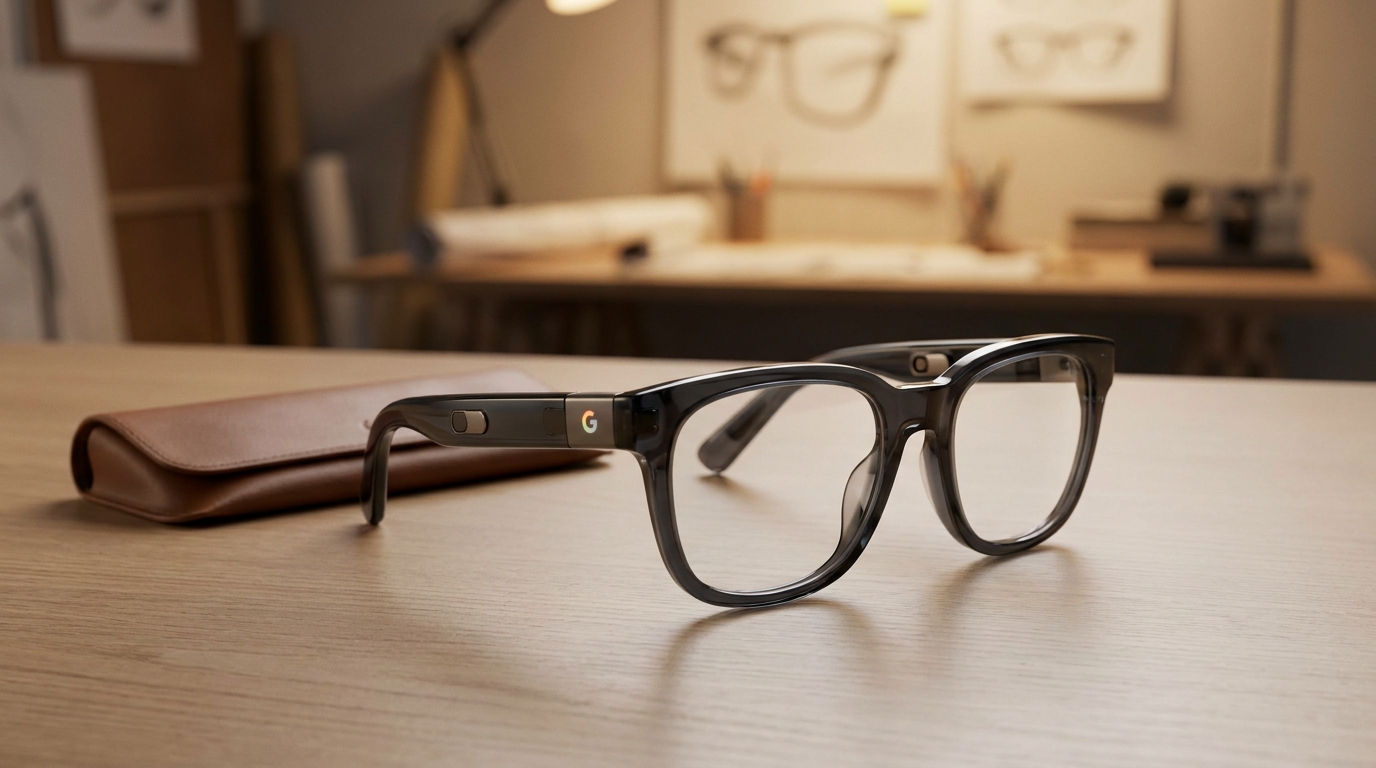
Announced June 11, 2026, Google is poised to launch Gemini-powered smart glasses this fall through collaborations with Warby Parker and Gentle Monster. This move marks Google's direct entry into the consumer smart eyewear market, setting the stage for a head-on clash with Meta's established Ray-Ban Meta lineup.
Warby Parker and Gentle Monster emerge as significant contenders to EssilorLuxottica, Meta's dominant eyewear partner. While EssilorLuxottica commands the global market with thousands of stores, UploadVR notes that US-based Warby Parker operates over 270 locations across North America, and South Korean brand Gentle Monster has cultivated a strong following among younger demographics and celebrities. Both bring distinctive style to the nascent smart glasses space.
Google first unveiled its partnership with these eyewear companies at I/O 2025, without firm details on release or hardware specifics. However, at I/O 2026, Google confirmed the "later this fall" launch timeline for the initial Warby Parker and Gentle Monster smart glasses. Critically, these first-generation devices will not feature a display, a significant departure given Google's repeated 2025 demos prominently showcased in-lens displays on its prototypes, as UploadVR reported.
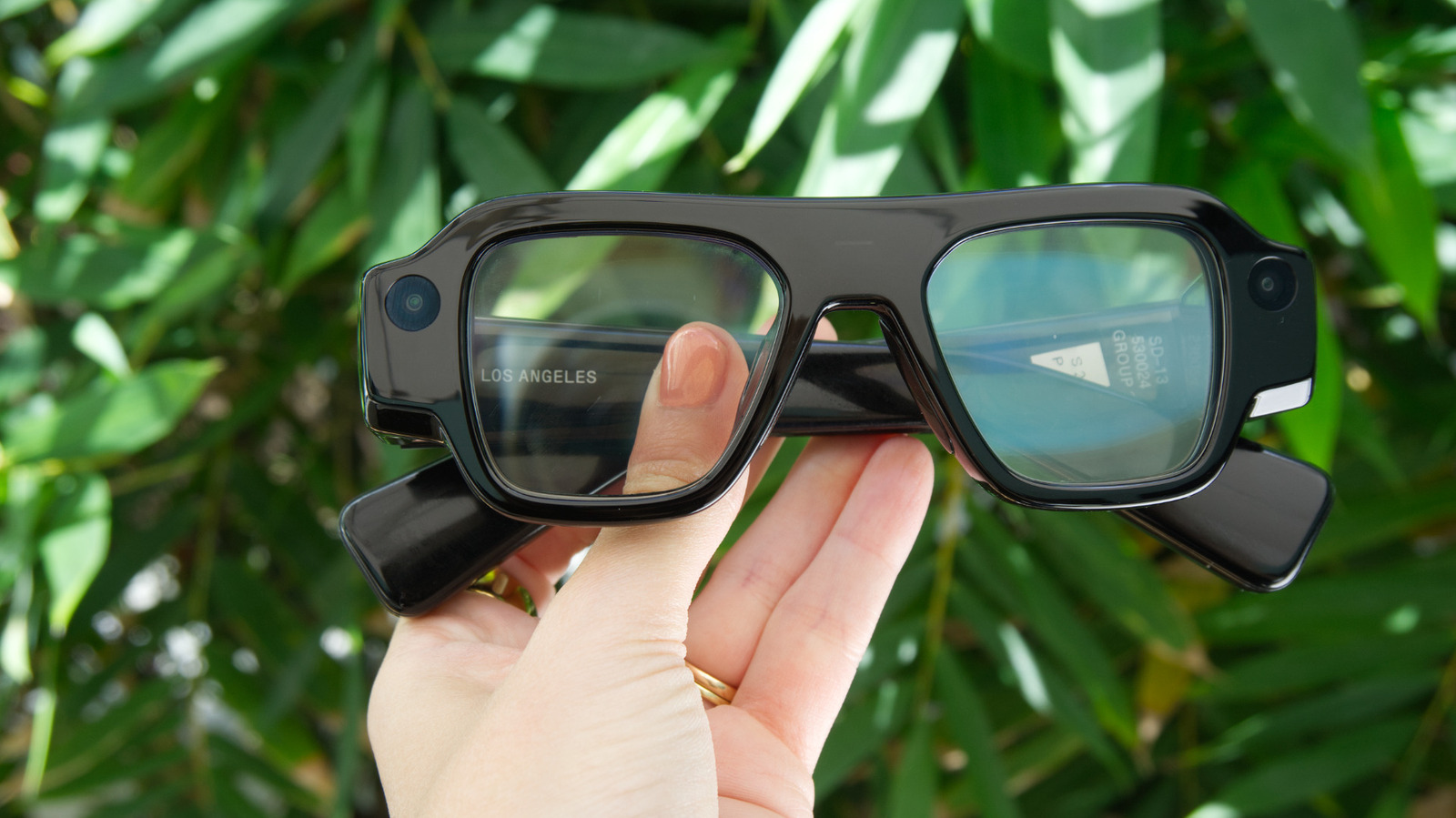
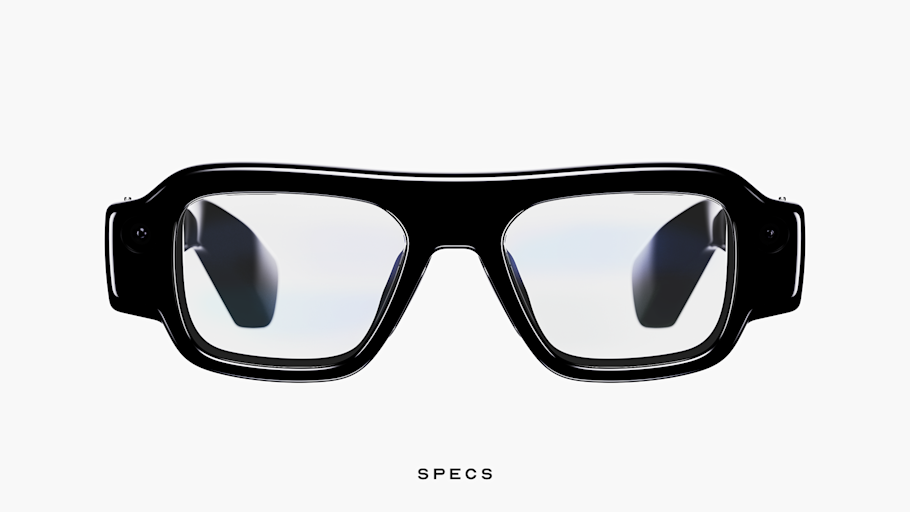
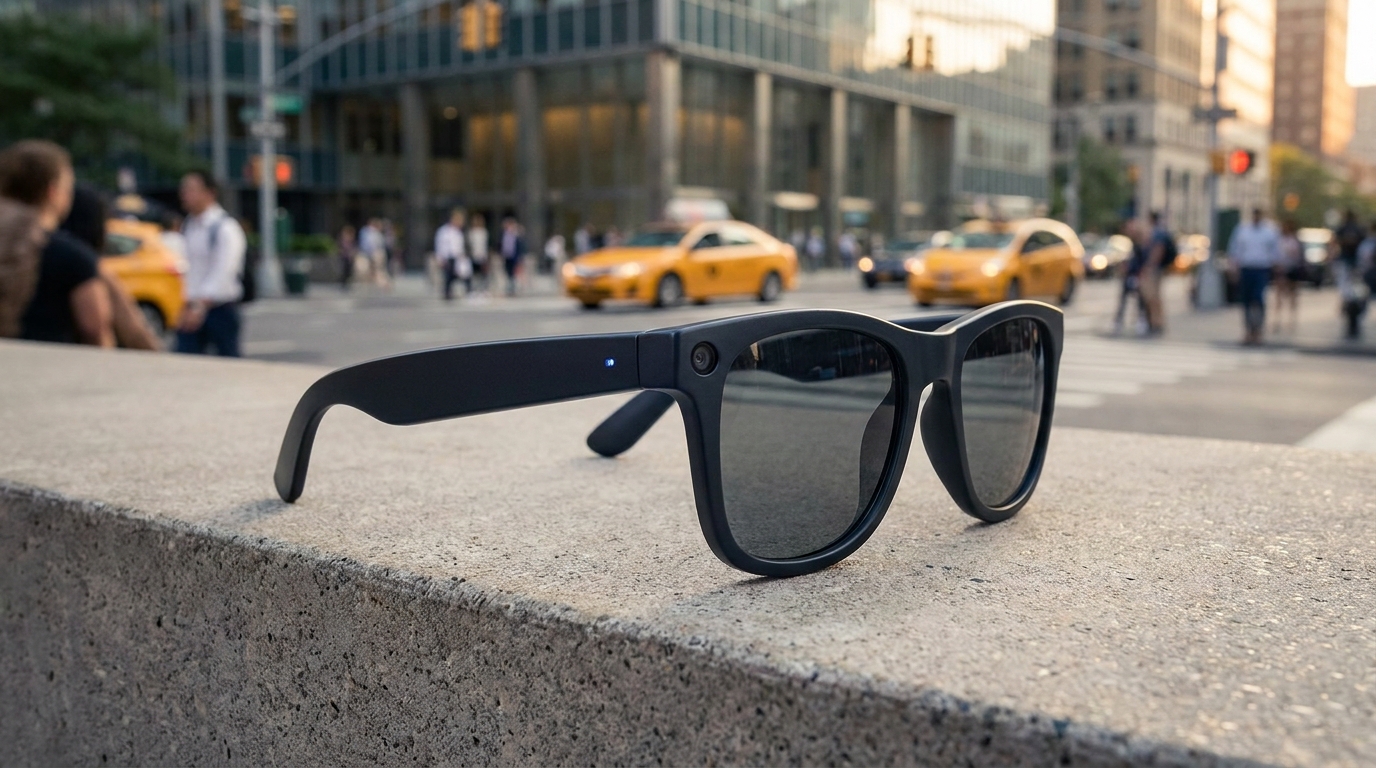
In terms of aesthetics, the Warby Parker smart glasses reportedly bear a strong resemblance to the Ray-Ban Meta Scriber style, potentially offering a familiar look for consumers. In contrast, the Gentle Monster option will introduce the brand's unique design language to smart eyewear, standing apart from existing Meta and EssilorLuxottica offerings.
Our take: Google's decision to launch display-less smart glasses is a calculated move, prioritizing mass appeal and form factor over cutting-edge AR functionality. This strategy aims to replicate the success of Ray-Ban Meta's camera-and-audio-first approach, leveraging trusted eyewear brands and powerful AI. However, foregoing a display might limit the immediate "smart" utility for early adopters expecting visual overlays. Google is clearly playing the long game, establishing a hardware presence and AI ecosystem before pushing more advanced AR features.
Interactive guide — prices, displays, cameras, battery.
Share this story