Analysis · —
Smart Glasses Arena Expands Beyond Tech Giants, Says UploadVR Report
While major players like Meta and Google dominate headlines with their AI-powered eyewear, a recent UploadVR report highlights a surprising number of smaller companies and startups also vying for a share of the smart glasses market.
On September 11, 2025, UploadVR published an analysis detailing the expanding landscape of smart glasses, moving beyond the frequently spotlighted efforts of tech behemoths like Meta, Google, and Apple. The report identifies numerous companies, both emerging and established, actively involved in developing or selling smart eyewear.
UploadVR consistently covers the developments surrounding Ray-Ban Meta glasses, Google's announced plans to compete in the sector, and Apple's rumored projects. The outlet acknowledges that these major US tech firms benefit from priority access to advanced chipsets, established device ecosystems, and proprietary AI models, all of which enhance the appeal of their smart glasses offerings.
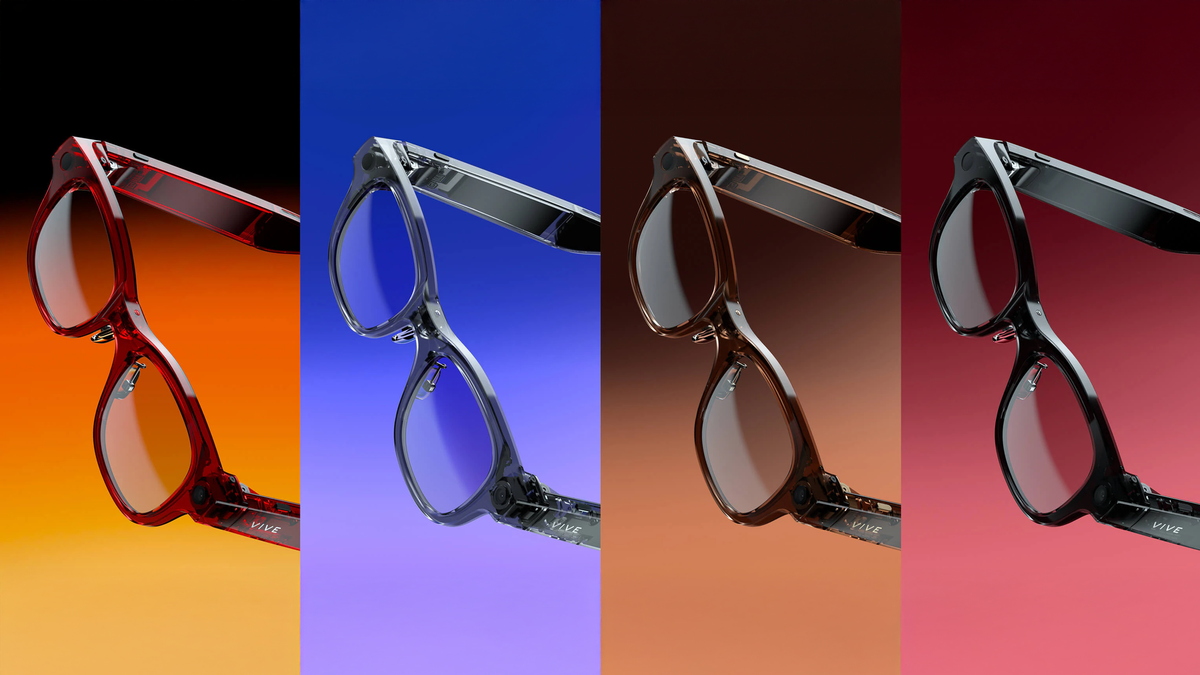
However, the UploadVR piece pivots to emphasize the significant contributions of smaller players. It notes that some entrants are relatively recent, citing HTC's launch of Vive Eagle in Taiwan. Others, the report points out, have been active in the market since before Facebook and EssilorLuxottica introduced the original Ray-Ban Stories.
The article clarifies that Ray-Ban Meta was not the pioneer of camera-equipped smart glasses. UploadVR reminds readers of Facebook's earlier - and 'unsuccessful' - Ray-Ban Stories, launched two years prior. It also references Pivothead, a startup that released glasses with a 1080p camera in the center nine years before the first Ray-Ban Stories.
Further historical context from UploadVR indicates that the 'first mostly-regular-looking camera glasses' were Epiphany Eyewear, shipped by Vergence Labs in 2013. Snap, the company behind Snapchat, acquired Vergence Labs a year later, leveraging its technology to produce the first three generations of Spectacles between 2016 and 2019. These early Spectacles were described by UploadVR as 'displayless camera glasses' lacking speakers or substantial onboard computing capabilities.
Our take: The smart glasses market is clearly maturing beyond the early adopter phase, attracting a wider array of innovators. While the financial might and ecosystem advantages of Meta, Google, and Apple are undeniable, the historical context provided by UploadVR underscores that innovation in this space is not exclusive to large corporations. The diversification of players, from specialized startups to established electronics manufacturers like HTC, suggests a healthy, competitive environment that could accelerate feature development and drive down costs, ultimately benefiting consumers. This broadening market also indicates an increasingly complex landscape for device interoperability and software integration, which will be critical areas to watch.
Interactive guide — prices, displays, cameras, battery.
Share this story