Analysis · —
Android XR: The Looming Earthquake for Smart Glass Hardware
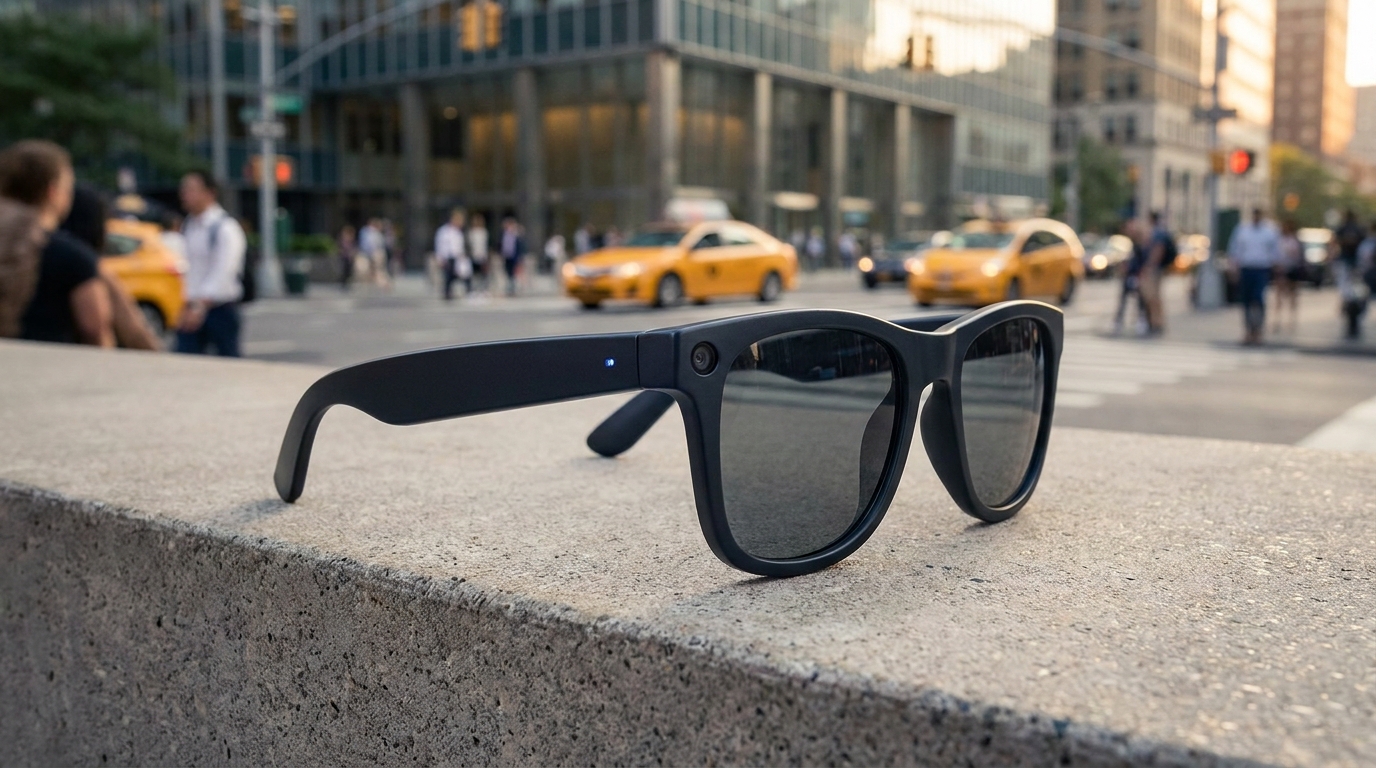
Forget iterative updates; Android XR's emergence will fundamentally reorder the smart glasses landscape within the next year. This isn't just about software; it's about a complete re-evaluation of hardware, privacy, and market entry points.

The smart glasses market, currently a fractured landscape of niche players and Meta's determined push, is on the precipice of a seismic shift. This isn't Apple's visionOS, nor is it about another proprietary OS attempting to carve out a walled garden; it's the inevitable arrival of Android XR, and its impact will be felt in every corner of the ecosystem over the next 12 months.
Consider the current state: Meta is painstakingly building a retail presence in Best Buy, trying to educate consumers on its Ray-Ban smart glasses alongside Quest VR. Its hardware, according to Wellsenn XR data, is heavily invested in optics, costing roughly $250 for display components alone, which isn't what consumers are prioritizing, as LinkedIn surveys indicate.
Users, it turns out, want cameras and AI, not necessarily immersive displays. This disconnect between Meta's hardware bill of materials and actual user demand creates a vulnerability. The market is ripe for disruption by platforms that decouple 'smart' features from expensive optical components, and Android XR is perfectly positioned to facilitate this.
The recent Blacksheep launch of 49-euro AI smart glasses in France is a harbinger of this future, demonstrating that functional AI in eyewear is achievable at a fraction of Meta's price point. While these are certainly budget units, their existence proves that the barrier to entry, particularly for AI capabilities, has plummeted.
This race to the bottom on price, enabled by commoditized components and efficient manufacturing, will accelerate dramatically with Android XR. Developers will have a familiar, robust framework to build AI-powered applications, and hardware manufacturers, particularly in Asia, will leverage off-the-shelf components to create increasingly capable, yet affordable, smart glasses.
The privacy concerns exemplified by Pennsylvania's proposed visible recording light bill and Meta's 'NameTag' facial recognition fiasco, which was quietly pulled from its app, will also be shaped by Android XR. An open platform allows for greater scrutiny and, potentially, more nuanced privacy controls than a closed ecosystem.
While Apple continues to refine visionOS for its spatial computing ambitions, evidenced by visionOS 27's enhanced Siri and gaze-based interaction, its approach remains tethered to premium hardware. This creates a vast middle and lower market for Android XR to conquer, particularly for utility-focused glasses without complex AR displays.
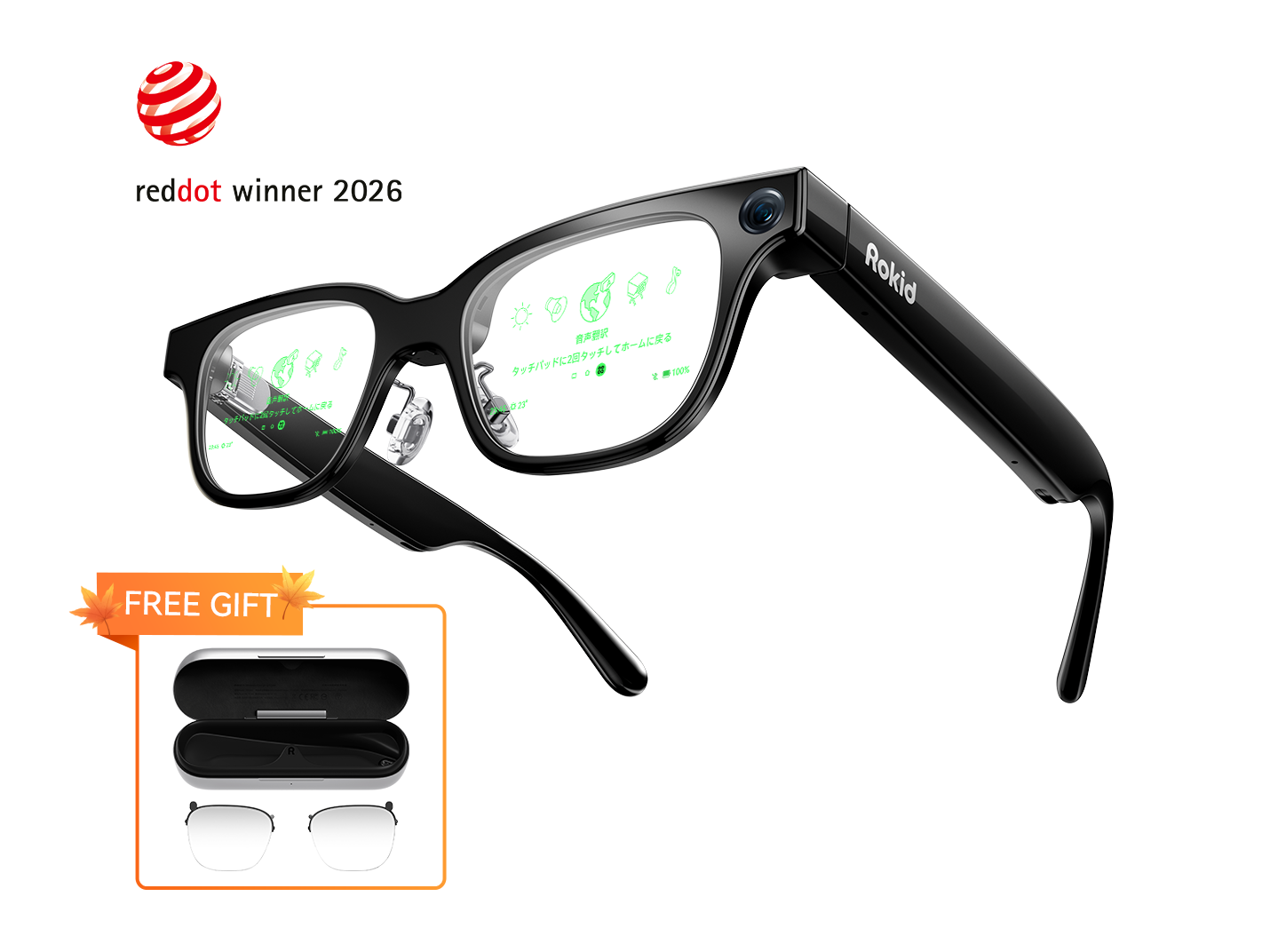
The market is moving away from the 'full AR overlay' fantasy to practical utility, as previously argued in Smart Glasses Daily. Android XR will empower manufacturers to focus on these practical applications-enhanced cameras, improved AI assistants, and subtle heads-up displays-without the burden of developing a new OS from scratch.
The existing refurnished market, as seen with VITURE's discounted XR glasses, further illustrates a consumer appetite for more accessible pricing. Android XR will naturally drive down entry costs, making smart glasses less a luxury item and more a widely adopted tech accessory.
Next year, expect a proliferation of smart glasses that prioritize AI and camera functionality over expensive display tech, all running on a version of Android. These devices will flood the market, challenging established players like Meta, who are currently spending heavily on optics that don't align with observed user priorities.
This shift will force Meta and others to re-evaluate their hardware strategies. Can they maintain high prices when a truly 'smart' experience is available for significantly less, thanks to an open, powerful OS? The answer is likely no, or at least, not without considerable market share erosion.
The 12-month outlook for smart glasses is not about small improvements or niche products; it's about a foundational change driven by software. Android XR is coming, and it will be the operating system that finally delivers on the promise of affordable, capable, and widely accessible smart eyewear.
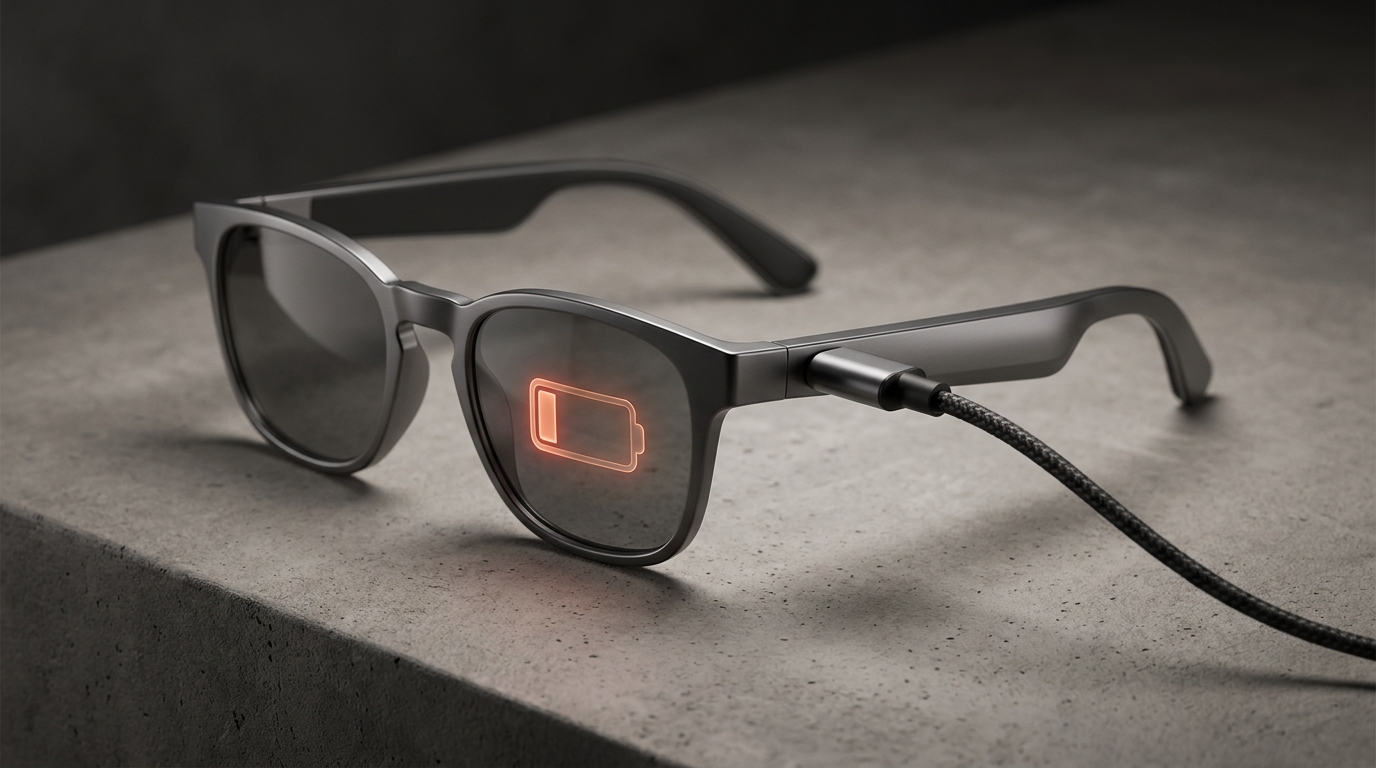
Interactive guide — prices, displays, cameras, battery.
Share this story