Manufacturer News · Google
Android XR: Google's Smart Glasses Offensive Starts with Warby Parker, Gentle Monster, Xreal
Google unveiled polished Android XR hardware from major eyewear brands at I/O. These initial models, co-developed with Samsung, range from audio-focused frames to full-display AR glasses, signaling a significant push into the consumer market this fall.

Announced May 19, 2026, Google is finally transitioning its Android XR vision from concept to concrete products. After nearly two years of anticipation since the platform's December 2024 reveal, Google I/O showcased more refined hardware iterations, with several slated for a Fall release.
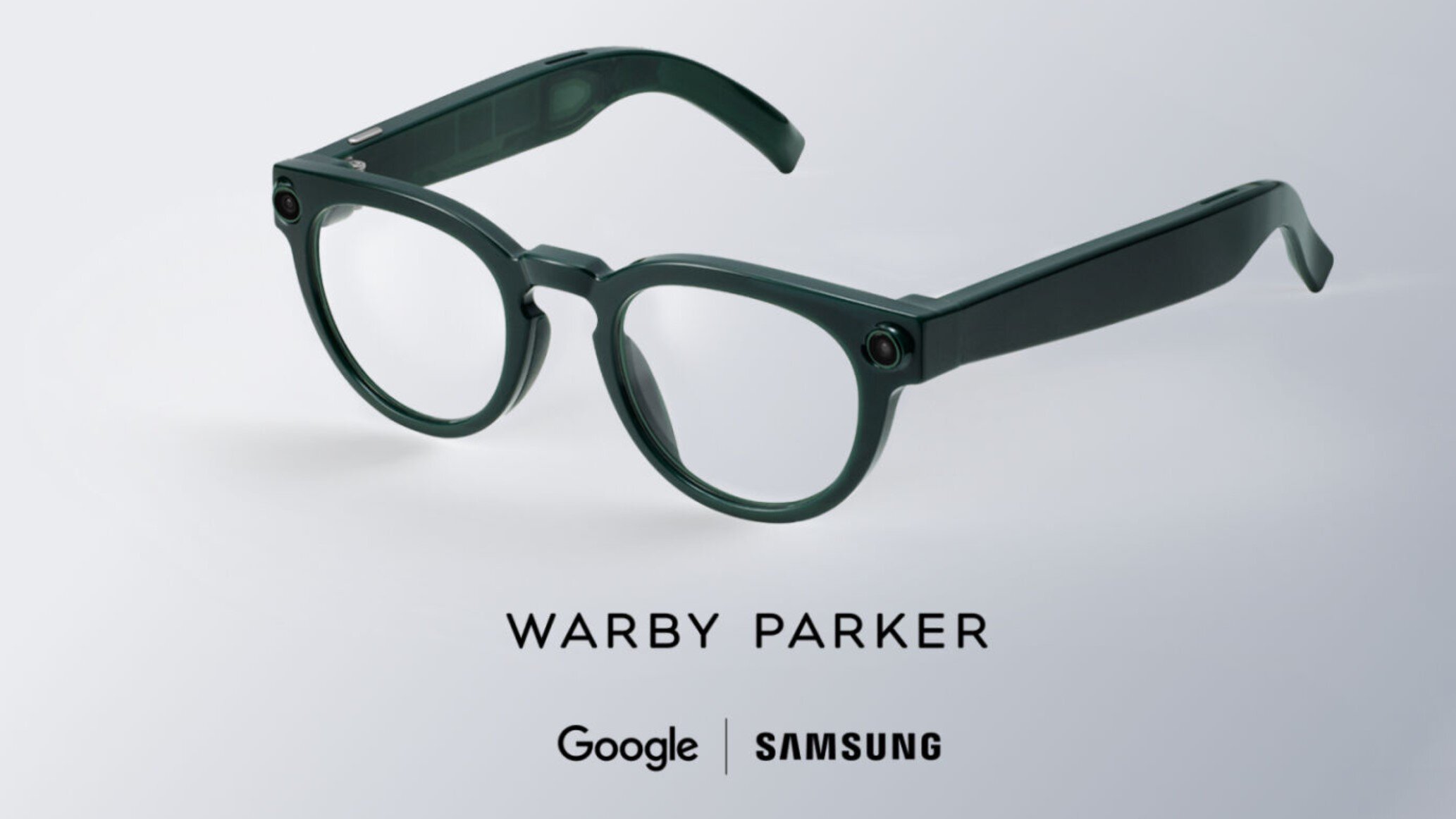
The event offered a debut of designs from established eyewear brands Warby Parker and Gentle Monster. These smart glasses are a joint venture, co-developed by Google and Samsung, with the eyewear companies focusing on frame aesthetics.
Xreal also featured its forthcoming "Project Aura," described by WIRED as a miniaturized glasses variant of bulkier headsets like Apple Vision Pro and Samsung's Galaxy XR. This platform reportedly supports a full Android app interface, navigable via hand gestures.
The first wave includes audio-only smart glasses from Warby Parker and Gentle Monster, scheduled for release later this year. More advanced versions, incorporating displays directly into the lenses, will follow. Xreal's Project Aura is also expected this fall.
WIRED's reviewer had an opportunity to experience early prototypes of these frames, testing select features in a controlled demo environment. The demos utilized unfinished reference glasses from Samsung and Google, rather than the final designs from Warby Parker and Gentle Monster. A key impression was their notable lightness; WIRED notes that much of the joint development effort between Google and Samsung aimed at miniaturizing the technology to reduce weight, though the arms of the glasses remained somewhat bulky.
Audio performance was also impressive. The reviewer recounted asking Gemini to play music, which reportedly sounded "dynamic" and surrounded their head, even in a quiet setting. Crucially, when someone else tried them at 50 percent volume, the music was barely audible to the original reviewer sitting across from them, suggesting effective sound leakage control.
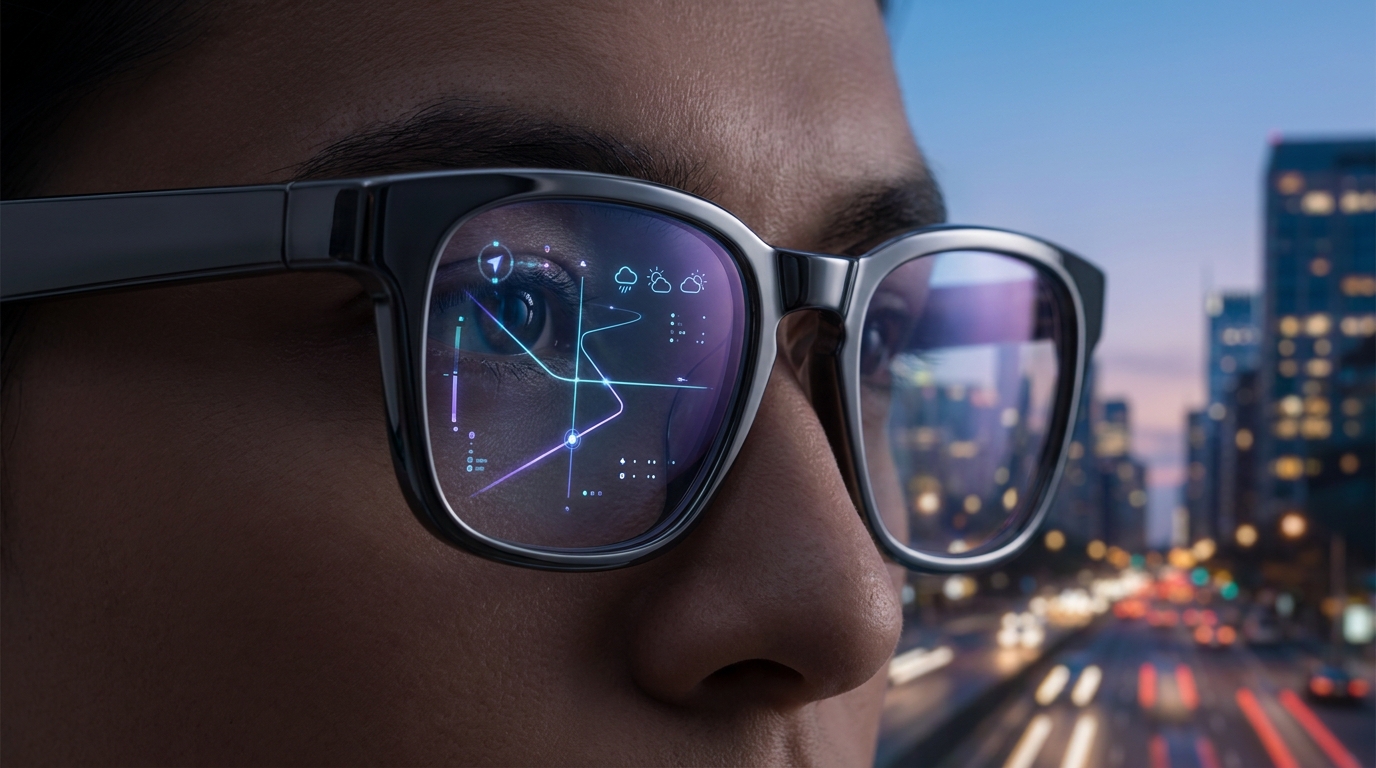
Notably, all upcoming smart glasses, including the audio-only models, will integrate cameras. This enables the Gemini assistant to leverage visual context for "helpful, contextual answers and services," as described by WIRED. While advanced optics versions will offer richer experiences, the core Gemini functionality-like real-time translation-is universal. The display-equipped models will offer text alongside translated audio, enhancing the user experience.
Our take: Google's strategy with Android XR seems clear: leverage established eyewear brands for aesthetics and Samsung's hardware expertise for engineering, while ensuring core AI functionality via Gemini across all tiers. The emphasis on discreet audio and contextual camera input for the initial audio-only models suggests a cautious, yet practical, entry into the consumer market before full-fledged AR displays become more mainstream and socially acceptable. This multi-pronged approach, from audio frames to full AR, positions Google to capture various segments of the nascent smart glasses market.
Interactive guide — prices, displays, cameras, battery.
Share this story