Analysis · —
The Ghost in the Machine: Smart Glasses are Dying of Thirst, and Nobody Cares
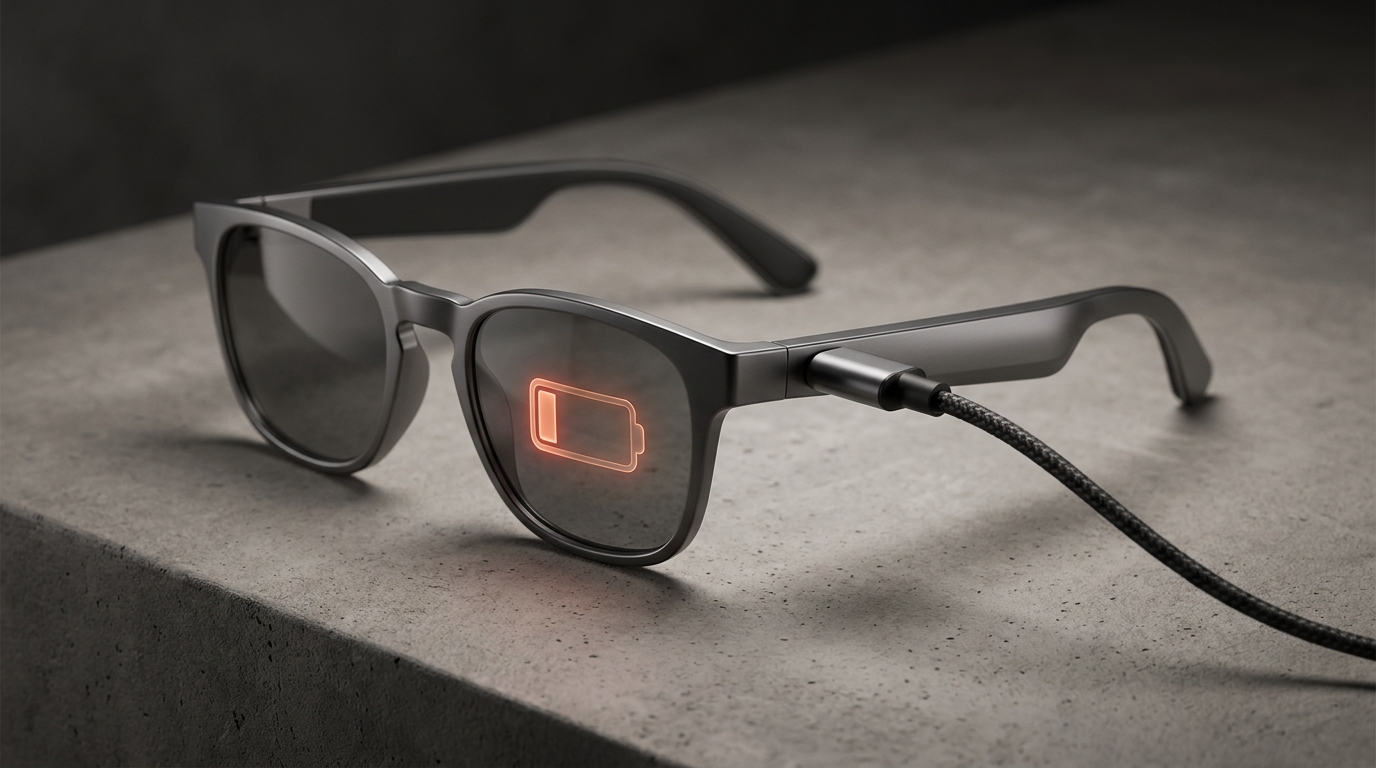
For all the AI innovation and market posturing, the smart glasses industry is collectively ignoring its most fundamental flaw: power. Devices are shipping with 'all-day' battery claims that AI features will inevitably throttle to obsolescence.
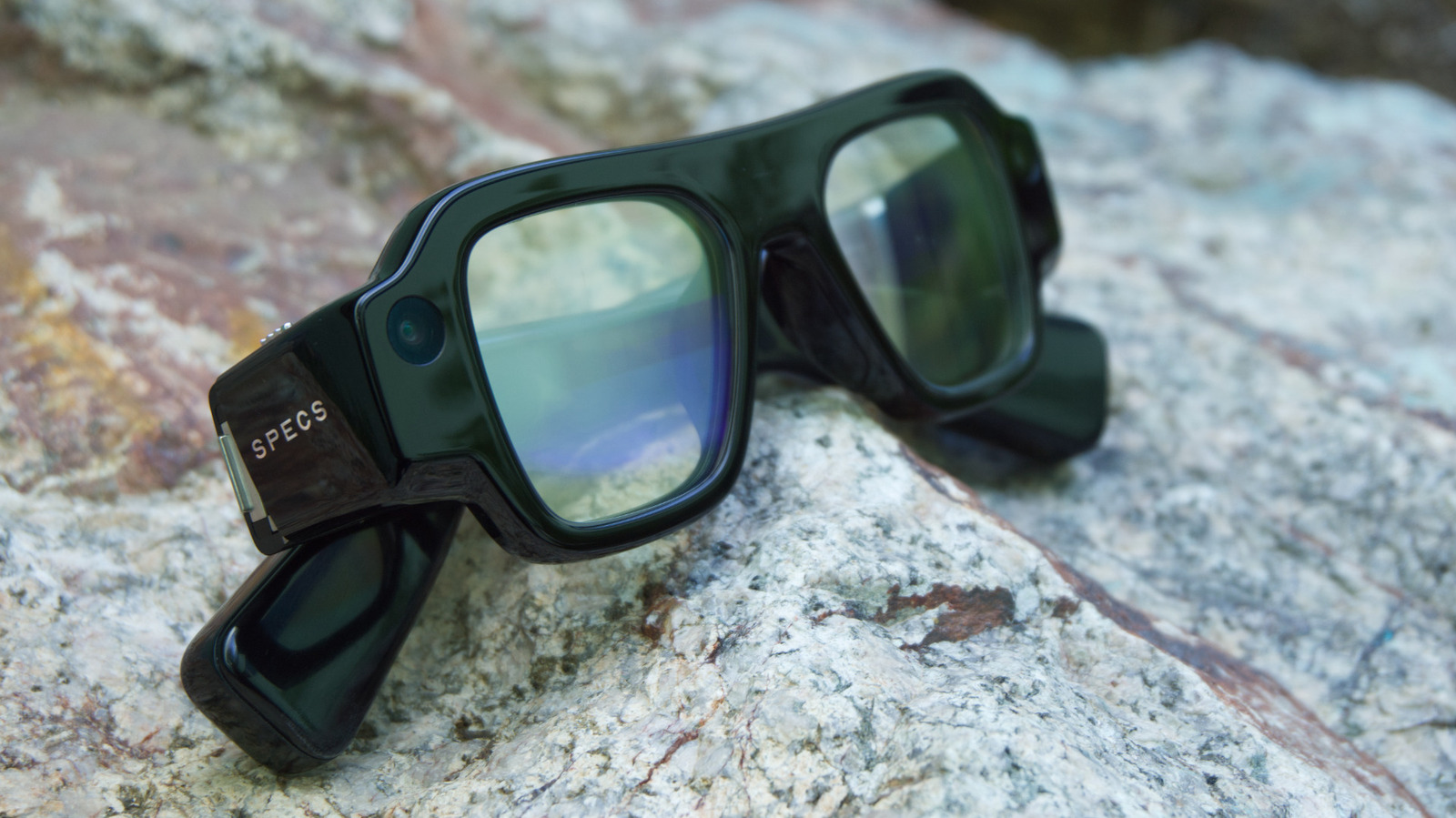
The smart eyewear market is convulsing. Google is back, Meta is pushing hard, and low-cost disruptors like Blacksheep are proving that AI glasses can hit rock-bottom prices. From INMO's ambitious real-time translation on the GO3 to Meta's experimental features in the Ray-Ban version 125 update, a future of omnipresent, AI-driven visual and audio capture is here. Yet, amidst the flurry of new features and aggressive market plays, the industry is sidestepping a critical, uncomfortable truth: the battery problem.
Every new feature, every enhanced AI model, every real-time translation, directly translates to increased power draw. Meta's Ray-Ban glasses, for example, are receiving experimental additions like biometric Palm Unlock and Posture Detection. These are resource-intensive processes, demanding constant sensor engagement and computation. While exciting from a capability standpoint, these features inherently chip away at battery life, pushing devices further from any practical definition of 'all-day' use.
INMO's GO3 AI Translation Glasses, currently on Kickstarter, boldly claim 'all-day battery' alongside features like real-time two-way translation for 98 languages, photo translation, AR navigation, and integration with ChatGPT and Gemini. These are not minor tasks; they are continuous, processor-heavy operations. The fundamental physics of current battery technology simply do not align with the computational demands of these advertised capabilities over an extended period. This isn't groundbreaking insight; it's basic electrical engineering.
Google's upcoming Gemini-powered smart glasses, in partnership with Warby Parker and Gentle Monster, are strategically launching without an integrated display. This decision, seemingly a nod to market readiness and cost, also sidesteps one of the most power-hungry components of smart eyewear. However, Google's emphasis on Gemini AI means substantial background processing. Even without a display, continuous AI engagement will stress any onboard battery, making 'all-day' claims dubious at best.
The core issue isn't just about battery size; it's about the relentless pursuit of more demanding features without a commensurate leap in power efficiency or energy storage. Tear-downs of Meta's Ray-Ban glasses, as highlighted by Wellsenn XR, reveal that optics drive a significant portion of the bill of materials, around $250. Yet, consumer surveys suggest users prioritize the camera and AI. This disconnect illustrates an industry chasing a vision without fully accounting for its power consumption.
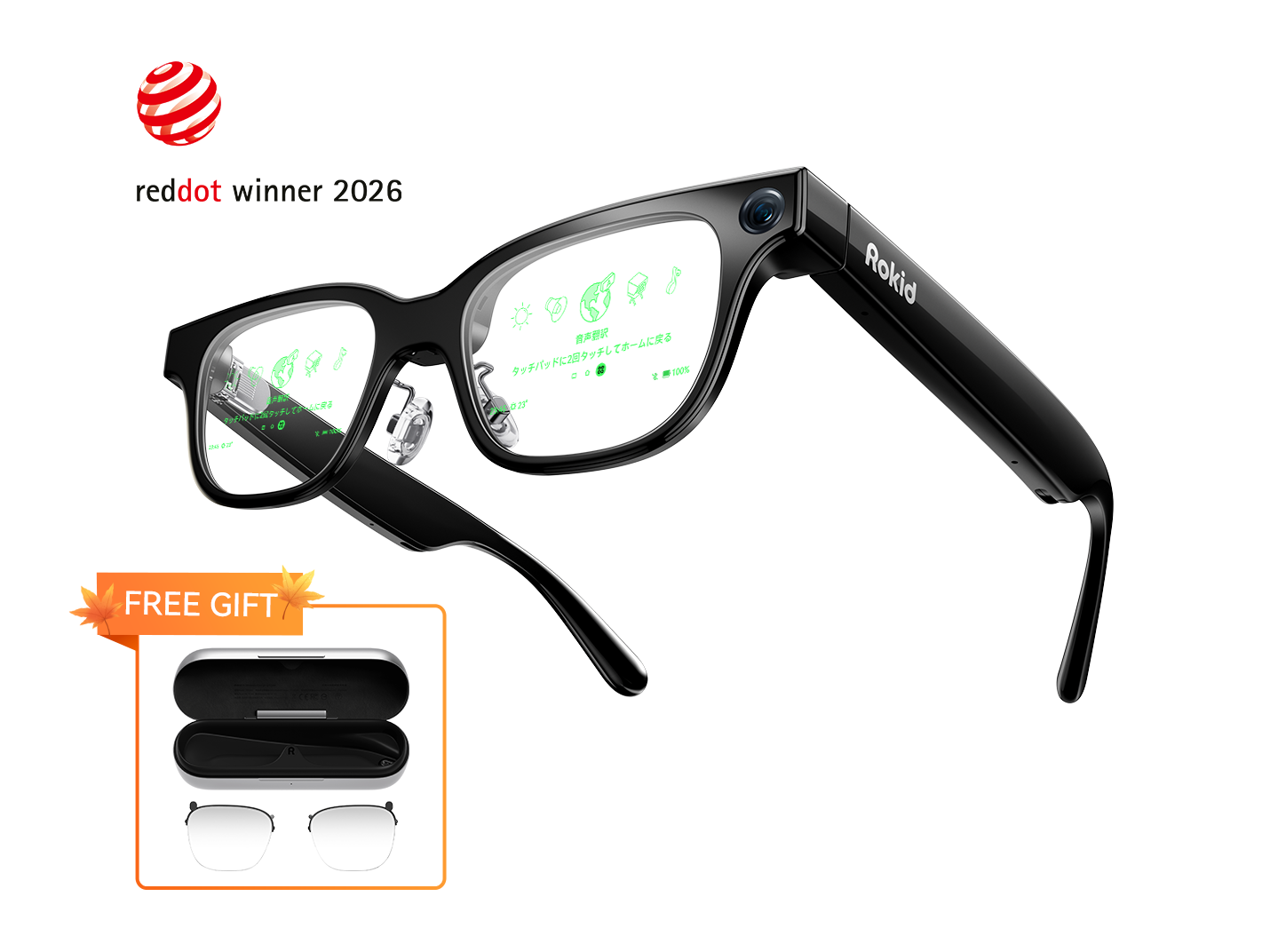
The implications extend beyond mere inconvenience. As privacy concerns escalate, with Rokid AI Glasses reportedly used for covert filming and CNIL issuing warnings about Meta's models, continuous recording naturally fuels these anxieties. A device that can record 'all day' but struggles to maintain that recording capacity for more than a few hours becomes a liability. Pennsylvania's proposed bill mandating a visible recording light further complicates the user experience for devices with rapidly draining batteries.
Even Apple, typically a master of optimizing hardware and software, faces these challenges. While visionOS 27 prepares the ground for future AI-enabled smart glasses with an enhanced Siri, the power demands of gaze-based interaction and persistent visual AI must be immense. Apple's notorious secrecy might hide innovative battery solutions, or it might simply mean they, too, are wrestling with the same power constraints as everyone else.
The entry of ultra-affordable options like Blacksheep's 49-euro AI glasses exacerbates the problem. While laudable for democratizing access to AI eyewear, budget constraints almost guarantee compromises in battery technology and power management. Functional AI at that price point will inevitably mean a very limited operational window, turning smart glasses into glorified, single-use gadgets rather than persistent companions.
The smart glasses industry is in a precarious position. It's building the future with one hand while ignoring the fuse burning down on its power source with the other. Manufacturers are focused on adding more AI, more sensors, more 'smart' capabilities, without addressing the fundamental energy bottleneck. The current trajectory points towards a proliferation of highly capable devices that are effectively hobbled by their power demands.
Android XR's impending arrival could revolutionize the software stack and user experience, but it won't magically invent new battery chemistry. A universal operating system will only serve to standardize the power appetite across a wider range of devices. Hardware innovation in smart glasses is crucial, but it currently lacks a symbiotic relationship with power innovation.
The 'all-day battery' claim has become marketing boilerplate rather than a practical promise. Until genuine breakthroughs in energy density or radically more efficient AI processing at the edge emerge, the smart glasses market will continue to be plagued by devices that are ambitious in feature set but critically anemic in endurance. This isn't just a technical challenge; it's an existential one for the entire category.
Interactive guide — prices, displays, cameras, battery.
Share this story