Manufacturer News · Snap
Snap Specs Open Preorders: $2195 AR Headset Targets Fall Release
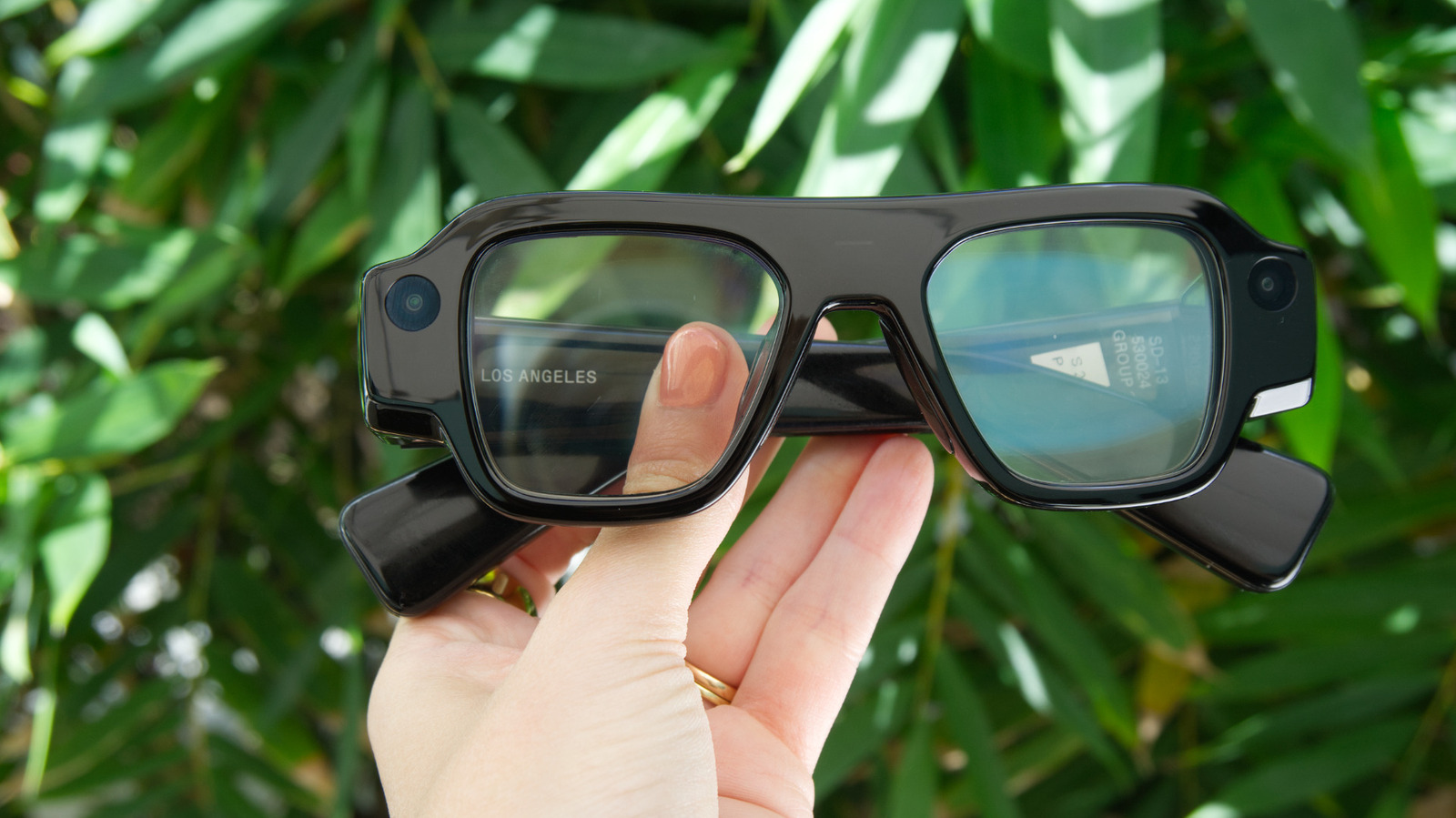
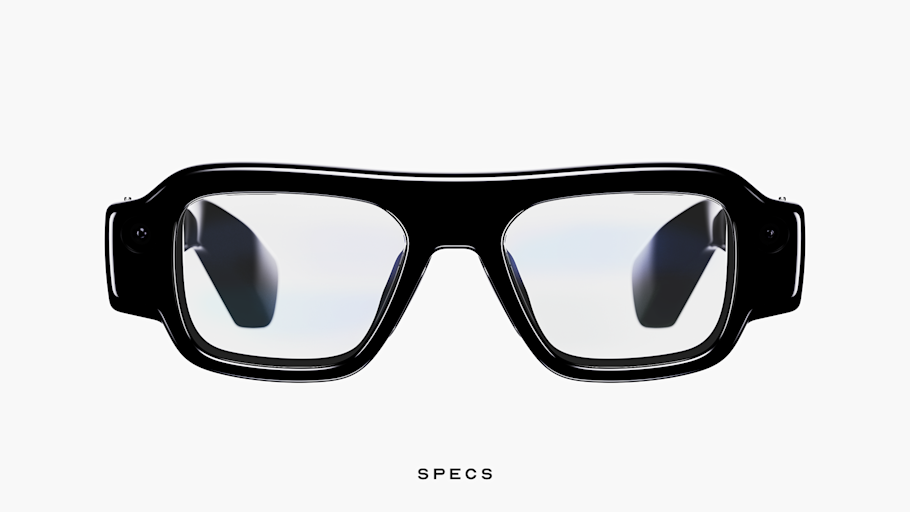
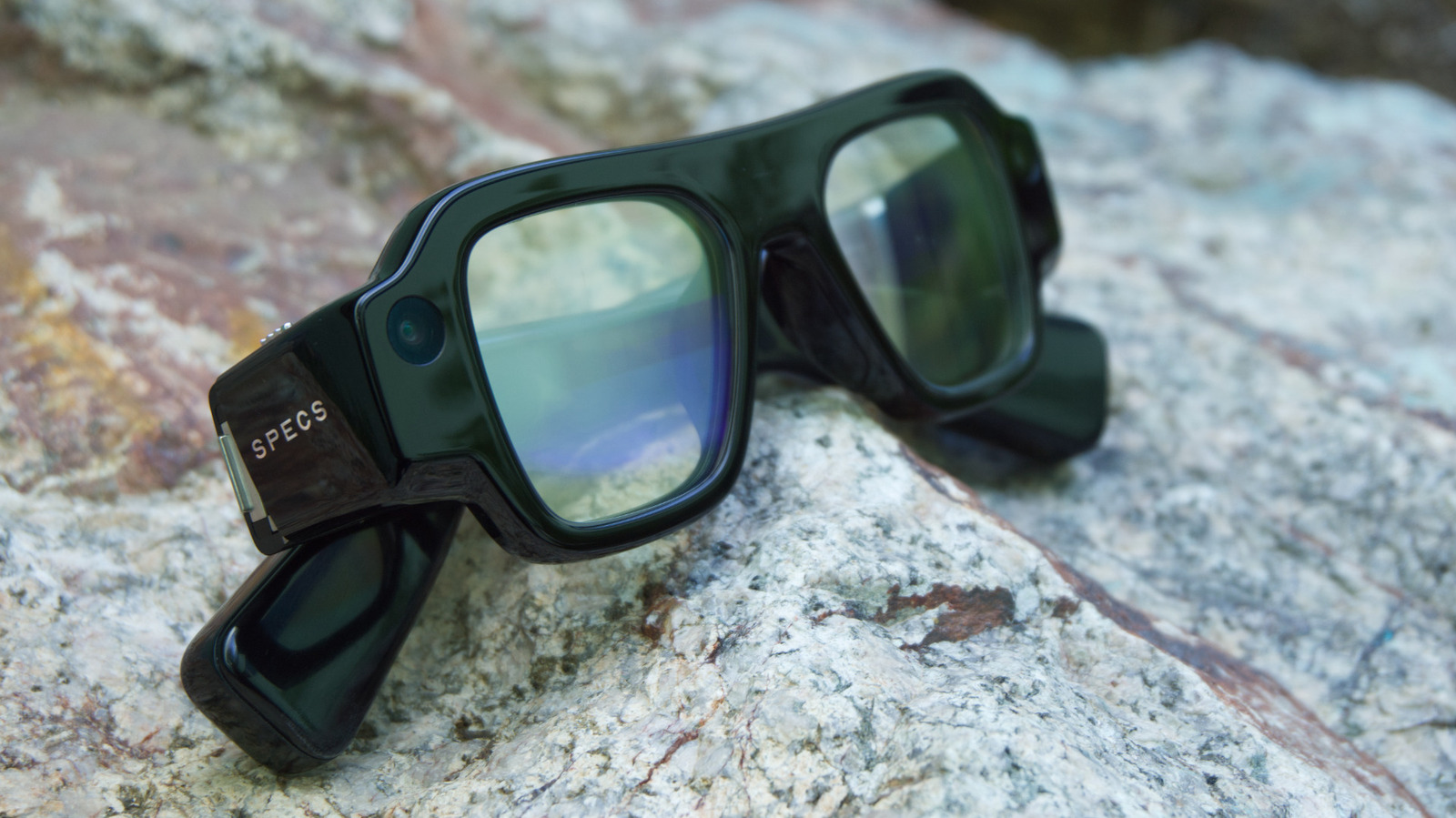
Snap has officially unveiled Specs, its fully standalone augmented reality glasses, with preorders now open. The $2195 device is set to ship this fall in key markets.
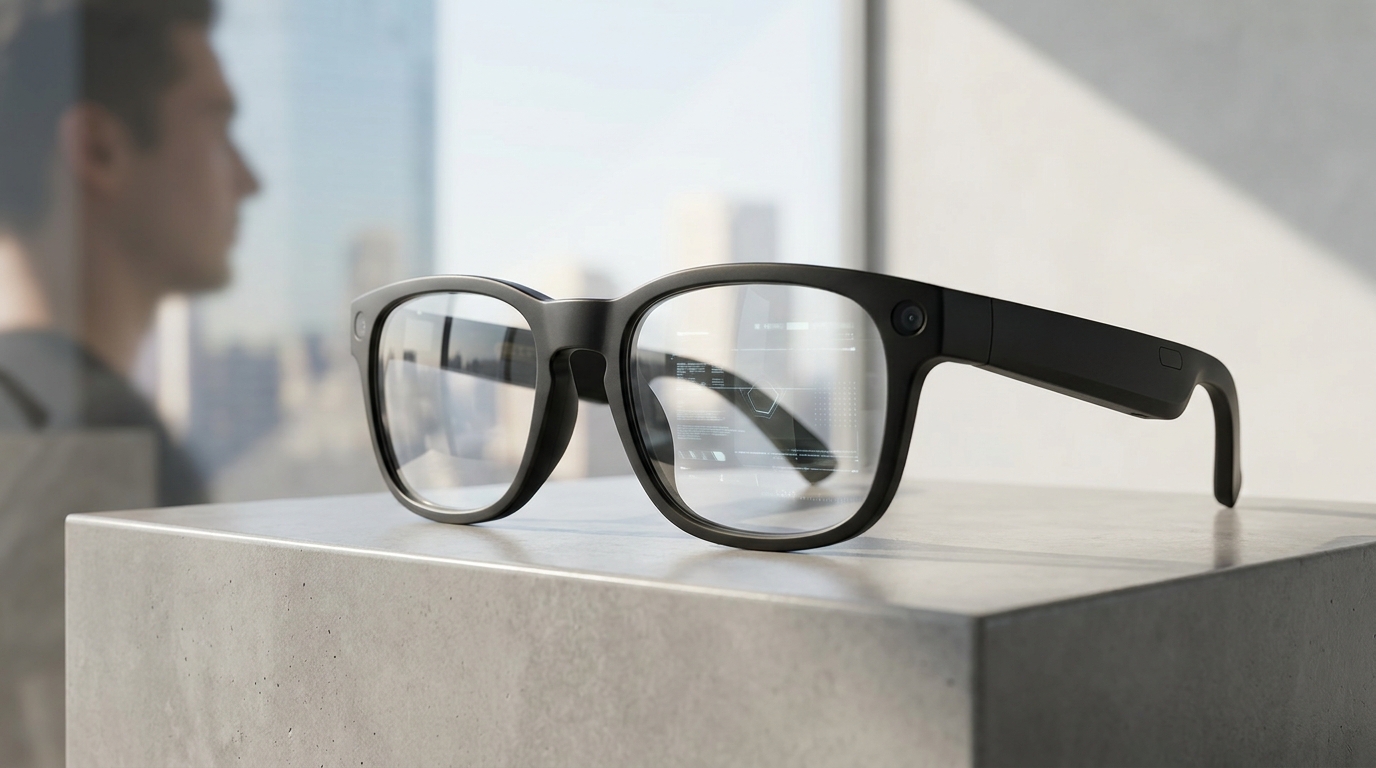
Announced June 16, 2026, Snap has officially launched preorders for Specs, its fully standalone augmented reality glasses. Priced at $2195, the devices are scheduled to ship this fall in the US, UK, and France. This move positions Snap ahead of anticipated AR hardware from industry giants like Meta, Apple, and Google.
This launch represents the culmination of nearly a decade of dedicated research and development in smart glasses, backed by over $3 billion in augmented reality investments by the company.
Specs enter the market as 'true AR glasses,' a category defined by their ability to seamlessly overlay virtual objects and interfaces onto the real world. This capability marks a significant leap from simpler heads-up display (HUD) glasses, such as the Meta Ray-Ban Display, which offer only a static visual overlay. Furthermore, it differentiates Specs from display-centric glasses like Xreal and Viture, which often obscure real-world vision and are too bulky for everyday wear. Unlike 'displayless' smart glasses, Specs focus on spatial computing rather than just audio and camera functions.
Before Specs, Snap engaged developers with two generations of AR 'Spectacles' development kits. The first, released in 2021, featured a limited 26-degree diagonal field of view and a mere 30 minutes of active battery life. A subsequent 2024 iteration, available to developers for a monthly rental, improved the field of view to 46 degrees and extended battery life to 45 minutes, though UploadVR noted its increased bulk and 226-gram weight. Both iterations included hand tracking capabilities, allowing developers to build for the platform.
Our take: Snap's commitment to delivering a true AR experience before its larger rivals is a bold play. The $2195 price point signals an early adopter market, but the strategic decision to ship in the US, UK, and France suggests a focused rollout. The challenge now is to prove real-world utility and developer traction beyond early enthusiasts, leveraging the decade of AR investment and iterating on the learnings from its Spectacles developer program. This is a critical moment for the future of everyday spatial computing.
Interactive guide — prices, displays, cameras, battery.
Share this story